I'm Mike Miller and I established this blog in 2014 to chronicle my progress in walking the Camino de Santiago de Compostela (Portuges). I am continuing to post entries to the blog to chronicle my progress in walking the Camino Frances in 2015 and the Camino Primitivo in 2016. I was unable to complete the Primitivo in 2016 due to seriously challenging weather (both heat and deluge) and was constrained to fly home using the ticket I had purchased. I returned to the Camino Primitivo by way of the West Highland Way in Scotland, and the Napoleon Route from St. Jean to Pamplona - and finished what I started last year. In 2018 I walked the Camino de la Costa in Portugal and Spain . . . and I completed the Way from Santiago to Finesterre. This year - 2019 - I walked the Cotswold Way and the Thames Path in England. Both are part of the UK National Trails network. And then, the Camino Ingles. In 2022 I began the Camino del Norte and have continued stages in 2023 and 2024. For the initial stages in 2022, I was accompanied by my son, Noah. I am a native of San Francisco, California but lived and worked in Washington, DC for many years. I am walking the Camino for the views, the endurance challenge that it poses, and for some spiritual reasons as well.
Continuing the chronicle of the Fog City Boy’s pursuit on the Camino de Santiago del Norte. . .
After a suitable breakfast at his vintage hotel in Ribadesella, The Fog City Boy set out on a causeway across the Rio Sella which affords a view of the town.
The Way follows along a lengthy and charming beach side promenade,
eventually turning inland. After several short climbs, The Way reaches a resting place thoughtfully provided by a local hamlet, Abeu. Shortly thereafter, political graffiti.
And a mural celebrating the Camino on the way down.
The Boy’s destination for the day was the beach town of Vega.
A friendly restauranteur summoned a taxi that returned the Boy to Ribadesella.
21 September 2024 – La Vega to Colunga
The Boy was up timely and had a good breakfast at his hotel. The hotel staff called for a taxi and The Boy was on his way back to Playa de Vega. The Boy picked up where he had left off the day before.
It had rained the night before. The Way from the beachfront end of the road was narrow, rocky, wet, slippery, occasionally steep, and somewhat menacing. But the Boy persevered and eventually emerged from the trail.
The Way passes through several small towns including Berbes . . .
. . . and Caravia, providing yet another lovely vista.
The Boy overnighted at a comfortable hotel in Colunga. Hotel Los Caspios was formerly a manor house built in the early twentieth century. Though only rated as a three-star hotel (perhaps because it did not have full restaurant service), the accommodation was certainly four-star in quality and amenity. Dinner was a short walk back into town. The town folk had gathered at a local bar/restaurant to cheer on their favorite soccer team.
22 September 2024 – Colunga to Priesca
Notwithstanding the absence of a full service restaurant, the Fog City Boy and all other guests enjoyed a satisfying breakfast and made our separate ways forward.
The Way traverses country roads with vehicular and other traffic.
The Way passes through Beldredo where a family had built and continues to maintain a small shrine.
The Way encounters challenging elevation as it climbs to Priesca, a small town with an albergue maintained by a nearby rectory. La Iglesia de San Salvador de Priesca was built in 921 is one of the oldest churches on the Camino.
The Boy determined that continuing on to Villaviciosa was not practical that afternoon. He stood down for the day and awaited the hospitalera to arrive at the alberque. She summoned a taxi which deposited the Boy at his hotel in Villaviciosa which would be his base of operations for three nights.
The Boy checked into his hotel and walked through the town. The Municipal coat of arms, City Hall:
In front of the Teatro Riera stands a statue of a woman with a basket and a smile.
23 September 2024 – Priesca to Villaviciosa
After two cafes con leche and a small sandwich of undetermined content, the Boy returned by taxi to Priesca. The Way continues on small country roads and occasionally traverses trails through the woods.
And as previously reported, some graffiti art is better than others.
The Boy again overnighted in Villaviciosa.
24 September 2024 – Villaviciosa to Casquita and Beyond
The Boy again enjoyed two cafes con leche but this time with a sandwich of determined content, and set out again. He set out to reach Casquita, where The Way splits with the Camino Primitivo (which the Boy walked in 2016 and 2017) and the Camino del Norte divulge.
On the way out of town, The Way passes La Iglesia de Santa Maria de la Oliva, built between the 13th and 14th centuries.
And then a pleasant walk through a local park.
In time, The Way, and the Boy pursuing it, reached Casquita. A small chapel welcomes the peregrino, and this peregrino captured a sella in his Credential del Peregrino.
The Boy had been here before. The earlier launching point for the Camino Primitivo looked familiar, but that was years ago. Before, there was less guidance. Now it was quite explicit.
The Boy decided to press on, actually following the route of the Primitivo, eventually arriving at Monasterio de Valdedios where a kindly hospitalera tried to find me a taxi to return to Villaviciosa.
She had no luck, but since she lived in Villaviciosa and was headed home for the evening, she offered me a ride. And I accepted. Acts of kindness from people encountered along the Way are not an uncommon experience for peregrinos.
24 – 29 Villaviciosa to Oviedo
The Fog City Boy had determined that it was important to return home to Fog City and eventually North Carolina, but that required a return to Oviedo, where he began this iteration of the Camino. The Boy settled into a comfortable seat on an intercity bus departing Villaviciosa and several hours later arrived at the Oviedo bus terminal. He donned his mochila and walked the mile to his hotel. It was a comfortable venue.
In the days before his flight, the Boy explored Oviedo.
The Oviedo public market was not the first such that the Fog City Boy had encountered, but it was the most spectacular.
A town square in the Old Town.
Local folks enjoying a late afternoon walk through the Old Town.
A soprano sang for passersby. Stripes are still in! Please excuse the jumbled first few seconds.
Public art in the old town, and in the modern city.
The Boy found his way to the Plaza de Alfonso II and the Cathedral de San Salvador which traces its roots to the year 781. Alfonso II was instrumental in establishing the basilica that formed the first element of the cathedral. A statue of Alfonso graces the plaza adjacent to the entrance to the cathedral.
On the afternoon before his departure, the Boy hired a taxi to take him to a hotel adjacent to the airport. It was an occasion to bid goodbye to his faithful hiking boots that had essentially disintegrated along The Way.
In the wee hours of September 29th, the Boy made his way from the hotel to Aeropuerto Oviedo and bade goodbye to the Camino del Norte. The flight to San Francisco by way of Munich was comfortable. It was good to be home.
With that, my ruminations and this blog installment are concluded. Where to next? Time will tell.
Buen Camino!
And with that, I’m off.
Knute Michael
If you would like to subscribe to future posts on this Fog City Boy blog, scroll up all the way to the top and look for the button on the lower right corner of the screen. Click on it, be redirected, I would be honored.
12 and 13 September 2024 – San Vincente de la Barquera to Pesués
The forecast was for heavy rain and, while the Fog City Boy has walked in the rain many times (when it rains, you just keep walking!), the Boy has an aversion to walking in lengthy downpours. So, the Boy asked the hotel to call a taxi to transport him to Persués, his next destination on The Way. After arrival, the Boy spent the rest of the day sitting on the porch at Hostal Baviera, watching the rain, and finishing his book. The bar served a local favorite – reminding the peregrino that he was headed to Galicia – and also served as a community package drop for deliveries. That suggests that there are porch pirates in Cantabria, as there are in much of the known world.
The next day, the Boy was up timely, arranged for a second night at the lodging, and returned by taxi to San Vincente. The Way actually bypasses most of San Vincente – continuing from the causeway up a moderately steep road traversing an upscale residential neighborhood and neighboring farmland.
The approach to Serdio, a small hamlet, is lovely.
The Camino Lebaniego splits from the Camino del Norte in Muñorrodero just after Serdio. The destination of that pilgrimage is the Monasterio de Santo Toribio de Liebana. That Camino has its own distinctive waymark – a red cross with a red arrow, often appearing with the traditional concha in parts of Cantabria. The Monastery is one of five sites empowered to grant perpetual indulgences. That camino is quite a climb! Ascent 2133 meters; descent 1636 meters. The Fog City Boy encouraged peregrinos headed up that climb, but did not accompany them!
After the split, the Camino del Norte continues on, adjacent to a foreboding and fenced mining facility, eventually crossing the Rio Nansa, before arriving at Persués. The Rio Nansa is home to the Escuela Paddle Surf Ocle.
The Fog City Boy did not sign up for lessons. Back in Persués, the Boy enjoyed a decent supper and bedded down for the night.
14 September 2024 – Persués to Buelna
The Way continues in close proximity to the Bay of Biscay crossing from Cantabria autonomous region (province) into Asturias autonomous region at the Rio Deva. Ribadedeva welcomes the traveler with a small park that features a statue of a peregrino.
The Way in Asturias begins with a long climb up a nicely paved senda, eventually arriving in Colombres.
The Wise Pilgrim Guide to the Camino del Norte provides this insight into Colombres:
“The Indianos . . . everyday Gallegos, Austurianos, Cantabrians, and Basques who because of their proximity to the sea were most able to emigrate from Spain to the Americas (central and south) during a period of great poverty in the late 19th century. A great many left but only a few struck it rich, and when they returned they turned their fortunes into building large manors and securing titles. Many of the houses still remain and those in Asturias are the finest example. They are sometimes colonial in style and always eclectic with palm trees as a tribute to their tropical lives.”
The Way passes a plaque capturing the departure of emegrees setting out for the Americas.
Many peregrinos rested and refreshed after the long climb at the Colombres park and town square, presided over by Iglesia de Santa Maria de Colombres.
The Way emerges from town and returns to a more rural track.
The Fog City Boy’s destination for the night was the Casa Rural de Aldea El Valle in Buelna – Llanes. Though the Boy had a legitimate address for the casa rural, it took a very long time to locate the venue, and when he got there, it was unattended. A few minutes after a phone call, a friendly attendant arrived and the Boy checked in. The Casa was actually quite charming.
The Casa did not have evening food service nor was there any in the town, but there was a microwave and the hotelier pointed the way to a Supermercado Día where the Boy and others staying there could purchase frozen meals suitable for the microwave. The Boy had pasta con pollo, pan, e vino tinto. Breakfast the next morning was provided and was quite satisfactory.
15 September 2024 – Buelna to Cue
Leaving Buelna, the Way hugs heavily traveled roadways and passes through several towns.
The Boy found his lodging with less difficulty than the night before. Hotel Migal is situated on a bluff just outside the small village of Cue – Llanes. Overlooking the Bay there are beautiful views all around.
16 September 2024 – Cue to Llanes
The Boy got a late start to a short day and enjoyed the walk.
His lodging was Hotel Rocas located in the heart of Llanes, a city popular with tourists.
17 September 2024 – Llanes to Naves
The Fog City Boy made his way out of town passing several notable edifices along the way. Leaving tourism behind, the Boy captured political graffiti which, as his wont, he captured for the gentle reader.
The Way proceeds along an estuary with views of a handsome church in the distance. Iglesia de Nuestra Señora de los Dolores.
The Boy’s lodging was at a small hotel that boasted a handsome horrero that provided shade in the afternoon and a pleasant setting for breakfast the next morning. Dinner that evening was at a pizza parlor a kilometer or so into town.
`
18 September 2024 – Naves to Cuerres
The Way continues along quiet country roads and sendas. A small shrine honors a departed loved one.
At Nueva, the Boy heard the sound of an approaching passenger train and paused to capture a picture of it as it passed by.
Later that morning, the Boy passed a rural residence that had been decorated with flowerpots, some of which were dressed as “flower children” sitting on the window ledge.
Eventually The Way departs Nueva and enters pastureland. The Peroquia de San Pedro Pria rises up above the pasture.
The views are compelling.
Continuing down from the Peroquia, The Way passes a medieval stone bridge.
Lodging that evening was at the Casa Rural Villalen. Quite isolated but quite comfortable.
19 September 2024 – Cuerres to Ribadesella
The proprietor of the hotel advised me to follow an alternate route which turned out to be a very pleasant stroll adjacent to an occasionally used railroad track. As is the case with many lesser railways in Spain and Portugal, the alignment is one meter gauge (39.37”) rather than standard gauge (4’8 ½”).
Eventually, The Way found itself in a more urban setting and continued on into Ribadesella.
The town was founded in 1270 by Alfonso X and developed around whaling.
My lodging was at a vintage hotel near the town center.
The lobby displayed state of the art communication equipment from another era (including a typewriter similar to the one on which The Boy learned to type)!
The Boy explored the town – which is known as a foodie favorite – and enjoyed a tasty dinner.
The Fog City Boy stayed two nights in Ribadesella, using it as a base of operations for the next day’s foray.
Stay tuned! Fog City Boy #44 will pick up the story and will be published soon.
With that, I’m off!
Knute Michael
If you would like to subscribe to future posts on this Fog City Boy blog, scroll up all the way to the top and look for the button on the lower right corner of the screen. Click on it, be redirected, I would be honored!
About one year ago, the Fog City Boy cut short his journey on the Camino del Norte to return to Hendersonville, North Carolina to help the Fog City Consort (wife, Ginna) with her recovery from bilateral bursitis of the hips. She has recovered, and the Fog City Boy has returned to the Camino.
The transit, starting on 3 September, was from Asheville (AVL) to Bilbao (BIO) by way of Frankfurt (FRA), arriving on 4 September. Last time Air France; this time Lufthansa. Both airlines provided comfortable accommodation and very good food! A taxi delivered me too my lodging in the center of the city.
The Fog City Boy celebrated his return to Bilbao at a friendly bar near his hotel, with a glass of vino tinto and a pincho.
Pinchos are ubiquitous and quite varied throughout Basque Country. This one was fried pigs’ ears. Crunchy but tasty. Pinchos are to be distinguished from tapas.Pinchos are small offerings, a snack, typically held together with a toothpick. Pincho means “spike.” Tapas are small plate offerings, typically more substantial than a pincho.
5 September 2024 – Portugalate to Pobeña
Last year, the Boy expended substantial walking capital (i.e., hadn’t yet found his walking legs) between Bilbao and Portugalate. So he hired a taxi from Portugalate to Pobeña, and walked on from there. This year, the Boy boarded the L2 subway line in Bilbao and disembarked in Portugalate, to walk The Way to Pobeña.
The Way passes a cemetery inaugurated in 1878. Signage at the entrance states that the remains of the working class and the bourgeoisie were laid to rest side by side.
The Way continues along a pedestrian and cyclist path for several kilometers, eventually reaching Zierbena where the Way climbs a hill with a political message . . .
. . . and ducks under a decorated underpass. Some graffiti art is better than others.
In Zierbena, a discrete waymark points the way.
La Arena with beaches and lovely vistas. It is a popular surfing destination.
Then a footbridge delivers the peregrino to Pobeña.
Having “connected the dots,” the Boy caught a local bus that in time let him off at a Metro Station, where he rode the L2 again to his lodging in Bilbao.
6, 7, and 8 September 2024 – Bilbao to Santander and to Santillana del Mar
The Boy was up and had a nourishing breakfast and headed into the subway again. A couple of stops later he emerged and walked a block to the Bilbao bus terminal. Alas, for intercity travel, all parties including peregrinos need a reservation. Headed to Santander, I got one, but had a three hour wait. Arriving in Santander, I found my hotel and then spent some time observing the stylish folks walking the boulevard during the traditional late afternoon promenade near universal in Spain and Portugal.
Stripes were in!
The next morning the Fog City Boy proceeded to the rail terminal and got a train to Bezana, where he had spent the night last year, before boarding a train to Boo and before walking to Cudón. This time, again ‘connecting the dots,’ the Boy walked from Bezana to Boo.
Iglesia de Santa Cruz (Bezana).
A mural depicting the Camino del Norte.
A lovely day a short walk from Bezana.
Welcome to Boo Pielagos!
Once in Boo, I found the train station . . .
. . . boarded a train for the short run to Mogro . . .
. . . alighted and returned to the bar I had visited the year before. The business on this afternoon was brisk. The proprietor pointed me to a posted sign with the phone number of the local taxi. I dialed, and happily, he came for me in about 15 minutes. The taxi took the me to Santillana del Mar from which I would return to Cudoñ the next day to continue The Way. In the meantime, the Boy explored the town.
Colegiata de Santillana del Mar. The flag of the municipality.
Dating from medieval times, the streets are paved with cobblestones in the old part of town. Shops and restaurants abound. Santillana is a regular destination for tour buses and tourists on their own. The old town supplies a backdrop as a period locale for many films made there.
Dinner that night was anchovies, peppers, and tomato salad, and of course, vino tinto.
The Boy was up timely and a taxi returned him to the super mercado in Cudón where he had purchased lunch one year before. He set out for Santillana del Mar.
The countryside was lovely.
A decorated tunnel proved again that some graffiti is better than others. With or without a political message.
Upon arriving in Santillana, the Boy enjoyed a refreshment at a café in the old town, and the music of a harpist who was talented and performed in an elegant gown.
Supper was the Iberian version of hush puppies with, again, vino tinto.
9 September 2024 – Santillana to Ruiloba
The Boy slept well and was up timely, had a good breakfast at his lodging and set out on The Way again. A statue of Santiago was there to encourage his perigrenacion.
Shortly after departing Santillana, The Way passed a paddock populated with two proud parents and their attentive child.
The Way continues, as it often does, through lovely pastoral vistas.
Later that morning, the Boy followed The Way to Oreña, passing by the 16th Century Iglasia de San Pedro.
The Way passes through Lorendo-Novales, a small hamlet with historic churches.
And continues to Cóbreces, with a welcoming statue for those on The Way.
And a festively decorated church behind!
The Boy continued through Cóbreces but failed to take note of the admonition in one of his (three) guidebooks: “There is an alternate route which may cause some confusion in Cóbreces. It turns left at the Iglesia de San Pedro and follows a more southerly route to La Iglesia.”
Well, The Boy turned left. And in a few minutes found himself on a pleasant track through the woods and agricultural spaces, but otherwise a long way from anywhere.
So I missed Cóbreces but had a nice stroll for about an hour. I eventually emerged and continued on a pleasant path, where I lost my sunglasses, and in time found myself at my lodging for the night:
The Camping was quite pleasant. I had a small cabin to myself. There was a café and other amenities. There were cute girls retreating from the swimming pool wearing . . . well . . . lots of almost nothing at all. They were having fun. They enjoyed it and so did I.
10 September 2024 – Ruiloba to San Vincente de la Barquera
The many visitors to the Camping were not inclined to arise early, and the facilities were arrayed to accommodate that leisurely pace. Eventually the café was open for business and the Fog City Boy scored two cafés con leche. Thus fortified, the Boy set out for San Vincente.
The Way proceeds to and through Pando, passing the 17th century Iglesia Parroquial de la Asunción, and continuing along a pleasant path above the beach below.
The Way continues on to Comillas. The Way through town is not always well waymarked, but the Boy enjoyed one of the unanticipated detours.
Out of town, The Way heads to the beach and a Natural [sic} Park. Playa de Oyambre is blessed with lovely vistas and good waves. There are several surf schools nearby.
In the Parque Natural Oyambre The Way passes along the Rio El Capitan.
In time, the Boy reached the beach town of La Braña. There were several shops catering to the surf crowd. Ah ha! I thought. I’ll bet I can replace my sunglasses in one of them. Indeed, that store had a good selection of options. I found one I liked and inquired. The nice young lady behind the counter said, “€ 79.00” She explained that all of the ones they offer carry the logo of someone famous, of whom I had never heard. So, thinking the price was a bit steep, I thanked the young lady, and continued on The Way.
Entering San Vincente is via a causeway across the Rio Escudo.
The Boy walked through town, found his lodging, and settled in. The forecast was for heavy rain most of the next day. The Boy decided to embrace a recovery day and booked for two nights.
11 September 2024 – At San Vincente de la Barquera
The rain came in the afternoon, but the Boy had taken the opportunity to explore the town.
The town is historically focused on ship building and maritime trade. A charming fountain in the main park captures that heritage.
The Boy then turned his attention to the mundane challenge of replacing his sunglasses. He found an optometrist on the main street and inquired of availability. The nice lady behind the counter produced several candidates. I chose one and inquired. Sun and UV protection only. No refraction.
“It’s € 106.00,” she said.
OMG.
Well, what the heck. They will probably cost more at the next town I come to. So now they are mine.
The Boy returned to his lodging, read a very interesting book about a long walk. And took advantage of an in-house laundry facility. The foyer to that facility boasted a charming mural of a mermaid by the sea.
With his wardrobe thus refreshed, the Fog City Boy had a nice dinner, got a good night’s rest, and set out again.
While, this entry is concluded, there is more to follow. FCB #43 will report the Boy’s journey from San Vincente to Villaviciosa and Casquita where the Camino splits. The Camino del Norte heads toward Gijon; The Camino Primitivo heads toward Oviedo.
FCB #43 will be published soon.
With that, my ruminations and this blog installment are concluded. As aforesaid, there is more to follow. Stay tuned!
And with that, I’m off.
Knute Michael
If you would like to subscribe to future posts on this Fog City Boy blog, scroll up all the way to the top and look for the button on the lower right corner of the screen. Click on it, be redirected,
Hello to all of you who have subscribed to my blog. Unfortunately, the draft was published prematurely because of a setting error. I’ll spend a day or so adding photos, videos, and finetuning FCB #42. I suggest you hold off reading that blog entry until I can make the necessary repairs! Buen Camino to all. Knute Michael aka Fog City Boy
The Fog City Boy departed Hendersonville, NC on August 30th intent on continuing the perigrenacion begun almost exactly one year before.
Transit to Bilbao (BIO) was by way of Atlanta (ATL), New York (JFK), and Amsterdam (AMS). It was a long trip, and the Fog City Boy didn’t get much sleep en route. The Amsterdam Airport, Schiphol, is enormous and very busy with both international and domestic travelers and busy retail offerings that would rival any large mall in the world. Schiphol is the third busiest airport in Europe. Walking from my arrival gate to my departure gate took well over 30 minutes.
After a final two-hour flight, I arrived at the Bilbao Airport in the late afternoon of August 31st. My hotel was a 30 minute taxi ride into Bilbao City Center. I’m back in Basque Country!
I explored the neighborhood in search of a restaurant for dinner. Near the hotel is the Monumento del Sagrado Corazón (Monument of the Sacred Heart), 1927, by Pedro Muguruza.
1 September 2023 – At Bilbao
After a good night’s rest, the Fog City Boy set out to visit several landmarks along the Way as it proceeds through Bilbao. The first, and most distant from his hotel was Basilica de Begoña (or more formally, Basílica de Nuestra Señora de Begoña). Just outside, the Fog City Boy located the first Camino waymark of the renewed perigrenacion. Appropriately, it proclaimed its purpose in both Spanish and in Basque.
The Basilica is dedicated to the patron saint of Biscay, the Virgin Begoña. Construction began in 1511. Today, Begoña is a pleasant neighborhood in Bilbao. The Fog City Boy got the first stamp (sella) in his pilgrim’s passport (Credencial del Peregrino) at the Basilica.
The Fog City Boy departed the Basilica and formally began his renewed perigrenacion on The Way of St. James. Shortly after leaving the Basilica, a more traditional waymark appeared, And other reminders of the spiritual underpinnings of The Way.
The Way passes a municipal Campos de Futbol.
And a city park with wonderful views of the skyline.
The Way continues through Bilbao, eventually reaching the Catádral de Santiago, built during the 14th and 15th centuries. The Cathedral is dedicated to St. James and faces on Plazatxoa Done Jakue (Basque), the Plaza of St. James. It is part of Bilbao’s Old Town. The Fog City Boy received his second sella.
Emerging from Old Town, The Way passes by the Parroquia de San Anton, the Church of St. Anthony the Great, completed in 1510. And, yes, the Fog City Boy received his third sella at the Parroquia!
The Fog City Boy returned to his hotel for dinner – salade de pulpo!
And a good night’s rest. He did not visit the famed Guggenheim Museum on this occasion. He and the Fog City Consort (wife Ginna) visited the Museum en route from Santiago to London after the conclusion of his first perigrenacion a decade ago. That said, the Fog City Boy recommends the Museum to peregrinos and others who might be passing through Bilbao.
2 September 2023 – Bilbao to Portugalete
There are three accepted routes to Portugalete for the peregrino to choose from. The Fog City Boy chose the route that hugs the west bank of the Nervion River and follows route N-634. Not much scenery, but on occasion a surprise. A mock sailing ship beckons the adventuresome!
The Fog City Boy reached Portugalete in late afternoon and located his lodging for the night – an unattended pension just off the main thoroughfare through town. Getting admission proved quite difficult because of confusing signage at the entrance. But through the kindness of a nearby resident, the Boy received the admission code and all went well after that.
For 200 years, Portugalete was a competitor to Bilbao with respect to maritime commerce. But, in 1511 trade privileges were awarded to Bilbao, but not to Portugalete, and trade shifted upriver. The city is densely populated and blessed with steep hills for the populace to navigate. Outdoor moving walkways provide relief.
Adjacent to the walkway, a sculpture celebrating women’s contributions to everyday life.
Nowadays, Portugalete is internationally known for the Vizcaya transporter bridge, which I visited the next morning.
Signage near the bridge reads as follows:
And, the transporter bridge “in action.”
3 September 2023 – Portugalete to Ontón
Hans Peter Kerkeling (HaPe) is a German television personality who, in 2006, wrote a book about his experiences on the Camino, and in the process hugely popularized the Camino in Europe and elsewhere. Early on, he mentions that it takes about 10 days to “get your walking legs.” The Fog City Boy can attest to that. After the trek from Bilbao to Portugalete, the Fog City Boy decided that it would be prudent to limit how much his legs – not yet walking legs – were challenged en route to Ontón. So the Boy hired a taxi to take him part way – to Pobeña – where he rejoined The Way.
Pobeña is a pleasant, very small, town with a generous park in the town center. A signpost pointed to The Way.
After a climbing a long staircase, The Way then follows an old railway right-of-way, hugging the coast, and preserving two railway tunnels. The railway hauled iron ore from local mines to ships taking the ore to distant destinations. Mining is still active in the area.
The day was overcast but the views were spectacular, none the less.
The Fog City Boy continued on toward Ontón, then up a substantial grade shared with oncoming traffic, to a hotel conveniently located across the street from a gas station/truck stop, and immediately adjacent to a discount furniture warehouse.
But the beer was cold, the food was good, the staff were cordial, and the bed was comfortable.
4 September 2023 – Ontón to Castro-Urdiales
The Fog City Boy was up timely, had a decent breakfast, and headed for Castro-Urdiales, retracing his steps for about a kilometer, this time down the hill. Most of The Way at this point is along the N-634. The Boy reached Castro in the early afternoon. The community sports a wonderful promenade adjacent to a long and lovely beach.
After checking in at a comfortable pension in mid-town, the Boy enjoyed a sandwich and a cerveza at a local café. The café faced on a small plaza that included a children’s play space, thoughtfully covered to protect the equipment, the children, and their parents from both sun and rain.
5 September 2023 – Castro-Urdiales to Rioseco
On the way out of town, the Fog City Boy passed the charming but shuttered community mercado.
And the adjacent entrance to its replacement.
The Way continues through a largely residential part of town, eventually climbing to a road above Castro’s outskirts leading to Cérdigo and continuing through a tunnel. Various graffiti adorned the tunnel walls, some of it with political content:
The Way leads to the coastal town of Islares. Iglesia de San Martin welcomes peregrinos passing through.
Pavement eventually gives way to an unpaved pathway. Beautiful views, too.
And then a suburban style neighborhood with an imposing granite landmark at the end of town.
The path turns inland though the bay accompanies The Way for several kilometers. A monument stands by the pathway. It is a memorial to D. Angel Diaz Vela, the parish priest of Castro-Urdiales. He died in 1980 at the age of 29.
In time, the Fog City Boy reached his destination for the night, Rioseco.
There wasn’t much to be found there. A café, a gas station, a food market, And a posada – Posada Fernanda – which was very comfortable and hospitable.
Also, the 17th century Iglesia de San Vicente de la Maza, which was some distance from town and was closed that day.
Neither Posada Fernanda nor the café served a dinner meal, but the innkeeper pointed out the microwave and directed me to the market where I could buy something for dinner. She admonished me that the microwave was for heating, not cooking! A short walk to the market included crossing a picturesque stone bridge.
At the market, I found a prepared pasta dish of some sort, a small baguette, and happily, a pleasant bottle of vino tinto. The pasta heated successfully in the microwave. Breakfast was provided on the next morning and it was quite satisfactory.
6 September 2023 – Rioseco to Laredo
The Way continues from Rioseco along the highway to the tiny hamlet of La Magdalena, eventually diverting through parkland, crossing a stream, and turning toward a few houses and the beginning of a long climb. One of the houses sported a guard dog who loudly took exception to the arrival of the Fog City Boy. Fortunately, el perro was firmly leashed. The Way continues a short distance along a paved surface, but rapidly becomes a dirt track through forested land. The ascent was about 250 meters and nearly as much on the decent. Shortly after midday, the Boy reached Hazas which is at the center of the Liendo area, a collection of towns spread out across the valley.
The Fog City Boy paused at a café near the Iglesia de Nuestra Señora de la Asunción, at the center off town.
The Way continues on for several kilometers, traversing yet another mountain. Though getting closer to having his walking legs, the Fog City Boy opted for a taxi for the rest of the journey to Laredo. Laredo is a beach town with historical ties to the fishing community. A trio of statues celebrates Laredo’s past and present reliance on fishing and fishermen. The Parque de los Tres Pescadores:
Lodging was at a charming, old fashioned hotel, El Ancla (The Anchor), that was decorated with myriad nautical themed paraphernalia.
7 September 2023 – Laredo to Noja
The Way follows the beachfront for several kilometers.
At the end of the beachfront promenade, the Way continues through a light industrial area, eventually reaching a beach – Playa de La Salvé – and a small ferry that will transport peregrinos across the estuary to Santoña, another town that celebrates its connection to the sea and its fish!
Christopher Columbus’ Santa Maria was built in Santoña. The Fog City Boy met a group of American tourists who were traversing the town! We chatted for a time and went our separate ways. The Way continues through town and beyond, passing the large El Dueso prison behind tall stone walls, eventually arriving at the beach town of Berria. Surfing is popular and surfing schools abound.
The approach to Noja was long, hot and dusty, but the Fog City Boy found a place to take a break. And the community posted a warning to those approaching its beautiful beaches.
The Boy arrived in mid-afternoon and enjoyed watching the beach and beach-goers from a hotel and café high above.
8 September 2023 – Noja to Guemes
The Boy was up timely but breakfast was not until 8:00, so The Boy struck out along the Way. Eventually he discovered a café where he could enjoy dos cafés con leche. Thus fortified, The Boy continued through Arnuero, and beyond.
Peregrinos who are veterans of the Camino del Norte, and all guidebooks to the route, agree . . . the AlbergueLa Cabana del Abuela Peuto (which translates as “Grandma’s Cabin”) is unique, very hospitable, and not to be missed.
The Fog City Boy arrived in time for a two o’clock lunch to be enjoyed “family style” with other travelers who had arrived timely. The albergue is the conception and life’s work of Ernesto Busto and his band of volunteer supporters. The facility is quite large – sporting at least 100 beds.
On my arrival, peregrinos were sorted by language and assigned beds in rooms with others speaking the same tongue. My German was good enough to get me assigned to a room with Germans, Austrians, and a Swiss. That was cool! Late in the day we were joined by a peregrino from Estonia. He didn’t speak German, but the rest of us didn’t speak Estonian! The room had a capacity of 11, though by nightfall there were only 9 of us. The bunks were comfortable and each room included an in suite bathroom with a toilet and sink. Showers and washers and dryers were available elsewhere on the campus.
Of particular interest is a building designated as La Ermita – a place for contemplation and meditation.
Before dinner, Ernesto addressed the 80 or so of us who were his guests. Dinner, and breakfast the next morning, were, again, family style. There is never a charge to stay at the alberque. Staying there as a respite on The Way, the welcome, and the fellowship is strictly donativo.
9 September 2023 – Guemes to Santander
Everyone at the albergue was up early, assembled their gear, and enjoyed a simple breakfast of bread, butter, jelly, and coffee. We all bid Ernesto thanks and he bid us “Buen Camino!”
The Way proceeds toward the coast and then directly through Somo, a surfer’s town. The Fog City Boy paused for a light lunch and then found the ferry that would take him and others the 5.6 kilometers to Santander. There is an alternate route that avoids the water crossing, but it is 27.5 kilometers by land.
Most peregrinos opt for the ferry.
Upon arrival, the Fog City Boy immediately got lost and wandered along the waterfront in search of his hotel. Google Maps only got him more lost. But eventually, all bad things must come to an end. The Boy found his lodging for two nights, and settled in.
10 September 2023 – At Santander
The hotel provided a very excellent breakfast buffet which The Boy greatly enjoyed on both mornings during his stay. This day would be both a recovery day and a day of exploration. The Boy set out to see the sights.
The plaza and elegant ediface at Pereda Gardens.
The Catedral de Nuestra Señora de la Assunción.
Local Enterprise?
The Main Street through Santander is an elegant boulevard.
Peregrinos are guided and welcome.
Santander, like Portugalate and many other port cities (including the Fog City Boy’s hometown), have to contend with many hills. San Francisco has yet to adopt escalators as an aid to those scaling The City’s hills.
Since 1983, the Parliament of Cantabria has held its sessions in the building that formerly housed the Hospital de San Rafael. It is considered a neoclassical building, built in 1791 and restored between 1983 and 1987.
Nearby, offices of the Department of Justice.
A nearby apartment building sports whimsical decorations.
Reflecting its maritime heritage . . “Searching the Horizon.”
The Santander City Hall.
11 September 2023 – Santander to Santa Cruz de Bezana
The Way proceeds along Santander’s principal thoroughfare which sports commercial establishments of all sorts. . .
. . . which becomes a divided street with a charming central median park. A model of Santander’s gothic cathedral commemorates its 100th year.
The Way continues out of town and for some distance parallels a railroad right of way.
In time, the Way reaches Santa Cruz de Bezana, a community that warmly welcomes peregrinos.
The Boy found his lodging for the night and explored the town. Bezana’s town park sported a number of unique entertainments, all solidly emplaced in concrete.
And the Boy’s favorite! It brings a whole new meaning to aerobic “Spinning.”
Dinner was al fresco near the night’s lodging. The Boy opted for a burger. It was much more than even this weary peregrino could handle.
12, 13, and 14 September 2023 – Santa Cruz de Bezana to Codón and Beyond
The Way continues for a couple of kilometers before becoming much too dangerous to traverse because of the necessity of crossing a railroad bridge in hopes of not being confronted by a very swift train. The prudent course, and one legally mandated, is to take the train for a stop or two, arriving at Boo de Piélags.
Though most all pronounce Boo as “Boo,” the Fog City Boy is informed that it should be pronounced “Bow.” Whichever is correct, the Boy had not had his morning café con leche yet that morning, so a brief sojourn near the train stop was a relief. After that, the Boy walked on. Mogro is host to a handsome parish church.
The Way continues with a lovely pastoral vista.
The countryside sports frequent granaries, most of similar design.
The architecture of the church in Cudón carries out the local commitment to the vicinity’s agricultural heritage.
The Fog City Boy found his lodging early this day. A Casa Rural in a charming setting. Comfortable and welcoming.
The innkeeper had no meal service midday, but recommended the super mercado a short distance away. Well . . . the super mercado turned out to be a gas station convenience store. But, no matter. Sustenance was found. Not last night’s over-the-top burger, but the Boy wasn’t going to have to skip lunch altogether.
While enjoying his pork and beans, the Boy called home. As it happened, the Fog City Consort at that moment was being treated at a nearby Hendersonville, North Carolina ER for a very painful, but thankfully transitory, condition – bilateral bursitis of the hips.
With the benefit of a reassuring orthopedist and four weeks of skillful physical therapy and exercises, she is fully recovered and pain free with no expectation of re-occurrence.
Finishing his pork and beans, the Fog City Boy determined that his place was with his Consort, not on the Camino.
And so, over her objections but never-the-less, with the assistance of the innkeeper, the next morning, a genial taxi driver took the Fog City Boy from Cudón to the Bilbao Airport. The following morning, the Boy returned to Hendersonville by way of Paris and Atlanta. I was thankful to be there of assistance to and for Ginna as she recovered.
Both the Fog City Boy and the Fog City Consort are now back home in San Francisco.
That said, as was the case a year ago, all in good time. The Fog City Boy is planning to continue the Norte from Cudón sometime next year. Stay tuned!
And with that, I’m off.
Knute Michael
If you would like to subscribe to future posts on this Fog City Boy blog, scroll up all the way to the top and look for the button on the lower right corner of the screen. Click on it, be redirected, and ask to be included. I would be honored!
My last perigrenacion was in the fall of 2019 – the Camino Ingles from Ferrol to Santiago. Shortly after returning home to San Francisco, I formed the intention to walk the Camino del Norte. As our daughter, Elizabeth, a peregrina in her own right, has observed, “Your Camino begins the day you decide to go.” And in that sense, my Camino del Norte started several years before I actually took the first step! Conversations with pilgrims who had walked that Camino, guidebooks, surfing the Correos Paq Mochila website, populating a spread sheet, all the time building ever greater anticipation.
Covid set me back quite a bit: limited travel that I was willing to undertake, and myriad restrictions on entry and movement in France and Spain. And the gyms that I frequent, like most others in the US, were shut down for an extended time. That situation proved problematic in the immediate term.
[For the record, I am fully vaxed and as of this writing, triple boosted. And an additional data point. . . after my first booster, I caught covid.]
Though there were competing opportunities for my attention and participation, the Camino beckoned. And our son, Noah, asked to walk with me, as well. And so, on August 29, 2022, the Fog City Boy boarded a flight from Hendersonville, North Carolina to Atlanta, and continued on to Paris, with an additional flight to Biarritz/Bayonne, arriving mid-afternoon on August 30.
The Fog City Boy had a reservation at a small pension in the Bayonne’s old town, just two blocks from the Cathedral where, on the next morning, he would receive his first sella of the perigrenacion. The lodging was clean and comfortable, though hauling my mochila up four flights of stairs was not fun. Hauling it down the next morning wasn’t either.
31 August 2022 – Bayonne to Biarritz
After a pleasant breakfast at a nearby café, the Fog City Boy collected his mochila and walked up the hill to the Cathedral.
Supporters of the Camino maintain an information desk open most mornings where peregrinos are counseled about what lies ahead and they may receive the first stamp in their pilgrim passport. A genial hospitalero provided both to me. He also provided a schematic representation of the elevation to be encountered by the peregrino along the official route.
I set out for Biarritz. There is a way marked route to Irun, but I was not aware of it. So I trusted my cell phone which, it turned out, wasn’t the best choice. A walk that ought to have taken an hour and a half, in fact took five hours and, though I enjoyed seeing many neighborhoods I would have missed, the software took me a great distance out of my way. Some of the interesting sights along the way:
Jardin Public Leon Bonnat (Bayonne)
A maritime range finder (Bayonne)
Lagoon (Bayonne)
But, eventually I got to Biarritz and quite enjoyed my sojourn there.
It was one of the last weeks of the summer, and many beautiful young people were enjoying the weather, and the beach.
I enjoyed a wonderful dinner at a small restaurant near the beach.
And rested comfortably at La Maison du Lierre.
1 September 2022 – Biarritz to St. Jean de Luz
After breakfast, I set out for St. Jean de Luz. The path I chose, again without benefit of way marks, took me along the beach and up a hill past a handsome church – Sante-Eugenie.
i
The way forward was comfortable through the town. And I had a wonderful lunch at a small restaurant tucked behind a surf shop in Bidart.
Eventually, my failure to do the proper advance planning landed the Fog City Boy with some challenging territory to traverse. And it was along a heavily traveled roadway. And the afternoon turned hot and humid. After descending and ascending the lengthy grade, I opted for a local bus that deposited me directly in front of the hotel I had booked – Hotel Colbert.
I had delayed making a dinner reservation at the restaurant and when I sought admittance, alas, the house was sold out. But I got a good pizza at the pizza joint next door.
The Fog City Boy was now squarely within Basque Country. There are 3.1 million citizens of Spain and France who consider themselves culturally Basque, with a unique language unrelated to any other, and with historical traditions. Many, but not all, Basques (and some of their neighbors) speak the language and carry on the traditions. The Basque flag and the Basque Coat of Arms:
2 September 2022 – St. Jean de Luz to Irun
Our son, Noah, was flying in from Sacramento to join me for a week on the Camino. He was due to meet me at our hotel in Irun. Hotel Colbert was directly across the street from the SNCF railroad station. The weather forecast was for hot weather and not having forgotten the previous day’s travail, I determined to take the train to Hendaye, the end of the line, and across the Bidasoa River from Irun. The river marks the border between France and Spain.
I exited the train, left the station, and walked across the bridge to Irun. Because both nations are within the Schengen Zone, there were neither customs nor immigration processes to deal with. I reached Hotel Alcazar about 30 minutes later.
I spent the balance of the day exploring Irun.
The Fog City Son arrived in the late afternoon. We sought out the Albergue de Peregrinos Jakobi where Noah got the first sella in his pilgrim passport. We had a nice dinner nearby the hotel.
3 September 2022 – Irun to San Sebastian (Donostia in the Basque Language)
We were off timely and retraced our steps from the night before – passing the albergue and continuing along the way marked Way.
Shortly after clearing the outskirts of Irun, we began our climb through alternating residential and agricultural areas. About an hour after we had begun, the rain came. It did not deter us, but we found shelter and waited for it to pass. We then continued to climb along a dirt track,
eventually arriving at the Santuario de Guadalupe.
Noah and I explored the church and surrounding grounds. The views were wonderful.
After our exploration, the Fog City Boy and Fog City Son had a choice to make. Shortly after the church, the Camino splits into a high level variant, and a low level variant. The paths rejoin at Pasajes de San Juan.
The Fog City Boy had been advised by several Camino del Norte veterans to take the high level variant which affords spectacular views, though the route is extremely challenging. We were feeling good after a break at the Sanctuario, and decided to go with the high level variant.
We set out and shortly reached the split. Especially at the very beginning after the split, the Way seems to require the peregrino to climb straight up. There is a reason this route is called the Purgatorio route. We took our time and made it safely up the very steep grade.
Once ascended, the route follows along the ridgeline. We explored several ancient fortifications along the Way.
And the views were as spectacular as they had been advertised.
After several hours, we reached the high point – Jaizkibel – elevation 545 meters. Not surprisingly, a radio broadcast tower is located there.
We rested there and enjoyed the lunch we had brought along. After lunch, we headed down the mountain. The Way down was steep and often covered with uneven paving stones. The Camino intersects with other hiking trails in the area.
A cross alongside the Way reminds the perigrino that this is a peregrenacion.
Late in the afternoon, we arrived in Pasajes and took the small ferry across the river to the outskirts of San Sebastian. Along with a dozen or so American tourists we had encountered on the Way, we boarded a local bus that delivered us to downtown San Sebastian. It was a short walk to the Pension Koxka where we would spend three nights.
3 – 5 September 2022 – At San Sebastian
We explored the old town and adjacent bay and its beaches.
There was a festival in progress while we were there.
It included rowing competitions. The winner of the women’s race was a team from the town of Orio which we would visit en route to Zarutz. The boats were large and bore no resemblance to racing shells with which we generally are familiar. They reminded the Fog City Boy of the whale boats that were resident at Lake Merritt in Oakland, California back when the Boy was an undergraduate at Berkeley.
On September 5th, Noah and I hiked up the hill from San Sebastian to Igeldo – the first leg of the next stage of the Camino del Norte. It was a lovely morning walk along the littoral.
We took a city bus back down the hill. Where we continued our exploration of pintxos (pronounced “pinchos”) – which perhaps is best translated as “skewers.” Sometimes these delectables are presented on a skewer, but not always. Every bar in this part of Spain has them – fresh every morning. These are not tapas, which generally are more substantial in culinary scope. Here are some examples.
img 2572
img 2573
img 2602
Noah found a small painting of San Sebastian harbor that he fancied and bought it as a souvenir of his Camino adventure. We had a nice dinner down the street from the pension.
September 6, 2022 – San Sebastian to Zarutz
We returned to Igeldo via a city bus, and struck out on our walk to Zarutz. The Way was largely residential at the outset, with unpaved track along the way. And some beautiful views.
When we arrived in Orio, which translates as “of the river,” we had a beer before taking the train the rest of the way to Zarutz. We walked a few blocks to our hotel which was not far from the rail station.
After settling in, we realized that Noah had left his painting at the restaurant where we had had diner the night before we left San Sebastian. So we made a new plan.
The Fog City Son would return to Orio to buy a soccer jersey in the town colors, which are similar to the national colors of Ukraine – yellow and blue. And the Fog City Boy would return to San Sebastian to retrieve the painting.
September 7, 2022 – Zarutz to Deba (via San Sebastian and Orio)
The Fog City Boy took an intercity bus to San Sebastian, arriving in the late morning. Noah took a train to Orio. Both the Fog City Boy and the Fog City Son succeeded in their respective missions. The Fog City Boy captured some additional views of San Sebastian.
And Noah scored two soccer jerseys. The blue and white one is worn by the team (and its fans) Real Sociedad – a first division Spanish team. The second one is the jersey worn by the Oreo Rowing Club (and its fans). Arravnketa Elkartea is Basque for “Fishing Association.”
Separately, and by train, we headed for Deba, where we took a taxi to our hotel which was some distance from the train station. The views were wonderful and Noah made friends with a resident kitten.
8 September 2022 – Deba to Guernica
After a light breakfast, we made our way back to the train station, again by taxi. The trip to Guernica was swift and we had the afternoon to explore. We visited a tiled rendering of Pablo Picasso’s painting “Guernica” which speaks to the bombing of the town, its people, and its livestock during the Spanish civil war.
Our hotel was nearby.
9 September 2022 – Guernica to Bilbao
The Fog City Boy located the Guernica town library which offered citizens and visitors access to the internet. Yes, regrettably, the Fog City Boy checked his email and tended to other chores. The Fog City Son did it all on his iPhone.
We proceeded by train to Bilbao City Center. Our pension was a few blocks from the train station. It was comfortable and convenient to . . . another selection of pintxos.
10 September 2022 – At Bilbao
The Fog City Son was up quite early. A taxi was waiting for him just outside the pension. He was off to the airport, and his transit back home to Sacramento, California.
The Fog City Boy bade him a fond farewell. It was the first time that the Boy and the Son had spent a week together. Just us. Very special.
For the remainder of the day, the Fog City Boy walked the Old Town and explored beyond its confines making good use of the town’s tram system.
11 September 2022 – Bilbao to Biarritz
There is a passenger railroad that originates in Bilbao and traverses many kilometers north along the Bay of Biscay. It is a blend of intercity railroad, interurban railroad, and local transit – sometimes surface and sometimes subway. I got to ride all the way to France! The last stop is a short walk to the SNCF station at Hendaye. Border patrol officers met passengers departing the Spanish train. But there were no formal customs and immigration inspection.
The Fog City Boy took a brief train ride to Biarritz and then a taxi to a Best Western Motel (yes, really) at the Bayonne/Biarritz airport. That would be home for three nights until Air France returned him to San Francisco.
12 – 13 September 2022 – At Bairritz
Biarritz had much to offer, as it had before. Dinner at sunset was a special treat.
A nearby light was flashing its warning to mariners.
14 September 2022 – Biarritz to San Francisco
The Fog City Boy was up at 4 am, donned his mochila and walked a few blocks to the airline terminal. He boarded a “Hop” flight from Bayonne/Biarritz to CDG – the main Paris Airport. And then a direct flight home to San Francisco. It was good to be home, though the Boy was a bit wistful not to have progressed farther on the Camino del Norte on this occasion.
But, all in good time! And thus, this FCB entry is designated a prequel. The Fog City Boy is planning to continue the Norte from Bilbao starting in August of 2023.
And with that, I’m off.
Knute Michael
If you would like to subscribe to future posts on this Fog City Boy blog, scroll up all the way to the top and look for the button on the lower right corner of the screen. Click on it, be redirected, and ask to be included. I would be honored!
From the Headwaters of the Thames River to the Thames Barrier in London
San Francisco, April 16, 2020
As previously announced, the Fog City Boy is reporting his most recent rambles and perigrenacion out of the order in which they were achieved. The first ramble, back in September, 2019, was the Cotswold Way (FCB #38), followed by the Thames Path – the subject of this epistle – and last, the Camino Ingles (FCB #37).
September 19, 2019 – Kemble to Cricklade
At the conclusion of the Cotswold Way and our exploration of Bath in Gloucestershire, as reported in FCB #38, the Fog City Boy and his Consort commenced onward travel to different destinations. Ginna flew to Tel Aviv to visit friends living in Haifa, and the Fog City Boy took the train to Kemble and the headwaters of the River Thames.
Flag of Gloustershire
Kemble is a small town in Gloustershire.
The Fog City Boy with the monument marking the origin of the River Thames. There was no water to be seen, however. Other hikers reported that water from a spring is seasonal at that location.
After leaving the origin, the ramblers share a pasture with bovine occupants.
But shortly thereafter, the Thames appears not far from the Path.
i
County Flag of Wiltshire
Cricklade, in Wiltshire, is the first town on the River Thames. St. Sampson’s Church is the town’s dominant feature.
Flowers and whimsey are also resident.
September 20, 2019 – Cricklade to Lechlade
The River Thames broadens quickly.
In England, people legally are permitted to enter fields and meadows otherwise reserved for agriculture. The Path passes by high corn as it follows near the River Thames.
Flowers along the Path.
And swans.
The farming communities of Castle Eaton, Kempsford, and Hannington Wick.
The Fog City Boy saw his first yacht on the Thames.
And shortly thereafter, in Inglesham, the 13th century church of St. John the Baptist.
In Lechlade, a young gent rowing, and a young lady admiring.
Also in Lechlade, the first of many houseboats moored along side.
Swans prominade as evening falls.
Apparently, not all the birds in Lechlade were swans.
September 21, 2019 – Lechlade to Oxford
My original intention was to walk from Lechlade to Newbridge, overnight, and continue on to Oxford the next day. However, I was advised that the 16 ¾ mile Path to Newbridge was quite isolated, did not traverse any villages, provide any services nor any place to call for a taxi should that be necessary. Due consideration of some recently incurred but transitory injuries persuaded me to proceed directly to Oxford and spend an extra day there. Not a bad alternative at all! Public transport was indirect but I had all day!
Flag of Oxfordshire
Coat of Arms of Oxford City
A carnival atmosphere prevailed when I arrived in Oxford.
September 22, 2019 – at Oxford
The Fog City Boy explored this university town. More houseboats, innumerable bicycles, and sadly, a homeless population as well.
Churches and other handsome buildings prevail throughout the University district.
September 23, 2019 – at Oxford
The Fog City Boy joined other visitors for a tour of the University. Here, Trinity College.
Our guide was knowledgeable, articulate, and made sure we saw Harry Potter sites along the way.
September 24, 2019 – Oxford to Abbingdon
The River Thames is about a mile from the heart of the University area. And it was a gloomy morning when the Fog City Boy began the next stage of the hike.
An extensive system of 45 locks and weirs allows for a considerable volume of water-bourn traffic. The river is navigable for small boats as far as Cricklade, and for larger boats as far as Lechlade. There is no charge for the service. Here is Sandford Lock.
Later the weather improved and travel on the river did as well.
Abingdon Coat of Arms
The Abbingdon County Hall, now a museum, is a handsome Baroque structure constructed between 1678 and 1682. Dominating the town’s historic market square, It has undergone repeated repairs and renovations over the years.
September 25, 2019 – Abbingdon to Wallingford
Many boathouses are maintained by college rowing teams, local clubs, and sometimes individuals. Some are utilitarian but neatly kept. This one is at Cholsey.
Some are grand. This handsome structure is at Long Wittenham.
Fishermen have assigned locations at various locations along this stretch of the River Thames. This one is at Dorchester.
A bridge at Shillingford.
Wallingford Town Council Coat of Arms
The town square at Wallingford.
September 26, 2019 – Wallingford to Pangbourne
Though the Path is never far from the River Thames, it frequently traverses “meadows.” Meadows is a pleasant, if misleading, euphemism for “cow pasture.” And all that goes with it. At Cholsey, the Fog City Boy followed the Path through a meadow and attracted the curiosity of a young bovine who followed for a time.
The Fog City Boy was not disappointed to pass through the next gate and continue on to a different meadow.
Later that day, at Goring – Lower Basildon – it was a grey day, but the vista was beautiful.
At Reading – Caversham, a long promenade along the River ended at a boat house where several swans were taking a nap.
Shortly thereafter, the Fog City Boy encountered a waterfowl convention.
At Pangbourne, the Fog City Boy and another hiker from The States, met up with a friend from London. We all stayed at The Elephant Hotel, and set out on the Path the next day.
September 27, 2019 – Pangbourne to Henley
We had quite a good ramble – perhaps a bit more than we bargained for. Henley is home to the Henley Royal Regatta held annually over the first weekend in July.
The regatta was established on March 26, 1839.
Columbia College’s crew won the 1878 regatta Visitor’s Challenge Cup..
September 28, 2019 – Henley to Maidenhead
Flower boxes and other displays greeted the Fog City Boy on the Path out of Henley.
And more houseboats.
In Harpsden – Lower Shiplake the Path runs adjacent to a backyard railway.
Flag of Berkshire
At Maidenhead, in Berkshire County, the Fog City Boy’s lodging was nearby a lovely park with a charming fountain.
The River Thames continues to broaden. The Maidenhead Bridge was close by my accommodation.
September 29, 2019 – Maidenhead to Staines-upon-Thames
The Fog City Boy used public transportation to journey to Windsor and explore the community surrounding Windsor Castle.
Staines Urban District Coat of Arms
I then made my way to Staines on Thames. I stayed at the Swan Hotel which was situated directly on the River. A handsome property that included a deck facing the water and lovely views.
A statue of the King’s/Queen’s Swan Keeper.
Collars as required.
Stains is the site of the London Stone, placed in 1285 and marking the customs limit and the riparian jurisdiction of the City of London.
September 30, 2019 – Staines to Hampton Wick
It was a lovely morning as the Fog City Boy departed Staines.
Later, the Path passes through Chertsey, where an automotive enthusiast has constructed a remarkable conveyance.
A bit farther along, the Thames at River House Gardens.
The River Thames flows into Hampton.
October 1, 2019 – Hampton Wick to Wandsworth
The stone marks the border of the Borough of Kingston upon Thames and the Borough of Richmond. upon Thames. It is about 10 miles from Charing Cross – definitely in greater London.
City of London Coat of Arms
The Fog City Boy arrived in Greater London and rambled along the Path through built up venues en route.
Richmond.
A plaque identifies the dwelling as the home of the architect Sir Christopher Wren.
Teddington.
Twickenham. The River Thames is getting broader.
Hammersmith.
October 2, 2019 – Wandsworth to Greenwich
The Path continues through built up venues. Canary Wharf.
Isle of Dogs,
Access to Greenwich was through the Greenwich Foot Tunnel, constructed from 1899 to 1902. It replaced an unreliable ferry system and allowed workers living south of the Thames to walk to work in the dockyards at the Isle of Dogs. The Tunnel is 1215 feet long and 50 feet deep. Domed entry terminals grace each end.
The restored clipper Cutty Sark is moored adjacent to the Greenwich terminus.
Greenwich Coat of Arms
Queen’s House in Greenwich. Home to the Old Royal Observatory and longitude zero!
Two symbols of Britain that are fast disappearing in this age of cell phones and electronic communication.
October 3, 2019 – Greenwich to the Thames Barrier
The Fog City Boy was up timely and launched on the last stage of the Thames Path.
The Path provided a misty morning view of the Old Royal Naval College in Greenwich.
Farther along, if one doubted that London is a global financial center, one need only note the signage atop the office buildings across the River Thames:
Citi, State Street, HSBC, Barclays.
The Path continues on. Signage provides important information to mariners.
And of course, there is a mermaid on the promenade.
The Path crosses beneath the Emirates Airline Cable Car.
And at last, the Thames Barrier.
The Fog City Boy hiked away from the River Thames and caught the London Overground to return to downtown Greenwich to reclaim his backpack, and return again to the Overground and make his way to Gatwick Airport.
And next morning, from there to Spain and the Camino Ingles.
Whereto next? The Camino Del Norte seems like a good choice but not until 2021. Or maybe Hadrian’s Wall? Or maybe both? Stay tuned!
With that, I’m off.
Knute Michael
If you would like to receive future postings as they are published, click on the “Follow” button below.
On 5th September, the Fog City Boy and his Consort (his wife, Ginna Dean) departed San Francisco, arriving in London on 6th September. We had a lovely time visiting friends there and after several days were escorted by one of those friends to Chipping Campden – the traditional starting point of the Cotswold Way.
The Fog City Boy had determined to walk the 102 miles to Bath and, at the end of the day, walked most of that distance. The Consort had other ideas and pursued her interests in the Arts and Crafts movement, fabrics, flowers, and museums, reuniting with the Fog City Boy each evening along the Cotswold Way.
The Cotswolds are an area in south central and southwest England, principally in Gloucestershire and Oxfordshire, comprising the Cotswold Hills, a range of rolling hills that rise from the meadows of the upper Thames to an escarpment known as the Cotswold Edge, above the Severn Valley and Evesham Vale. The area is defined by the bedrock Jurassic limestone that creates a type of grassland habitat rare in the UK and that is quarried for the golden-colored Cotswold stone. It contains unique features derived from the use of this mineral; the predominantly rural landscape contains stone-built villages, historical towns, and stately homes and gardens.
The Cotswold Way is one of 15 National Trails in England and Wales. Here’s a description of the National Trails from http://www.nationaltrail.co.uk:
“National Trails are long distance walking, cycling and horse riding routes through the best landscapes in England and Wales. In Scotland the equivalent trails are called Scotland’s Great Trails. There are 15 National Trails. Walkers can enjoy them all, cyclists and horse riders can enjoy the Pennine Bridleway and the South Downs Way, as well as sections of the other Trails. In total, England and Wales have around 2,500 miles (4,000 Km) of National Trail. The England Coast Path will be the newest (and longest) National Trail when it is complete in 2020. The first few sections are now open and more will be opening over the next few months.”
10 September 2019 – At Chipping Campden
We explored this charming town, admiring homes, businesses, and the handsome town church, all built of Cotswold stone.
Flowers added a welcoming touch as we wandered. These were placed adjacent to early alms housing now repurposed.
Our lodging was at the Noel Hotel.
We had a pleasant dinner and a good night’s sleep. The next morning we had the first of the famed “full English breakfasts” to be enjoyed along the Way.
11 September 2019 – Chipping Campden to Stanton
The Way’s official starting point is at a small square adjacent to the foot of Market Hall in the center of town.
Shortly after leaving Chipping Campden, the Way ascends Dover’s Hill which offers magnificent views of the nearby countryside.
Continuing from that high point, the town of Broadway is a charming Cotswold town.
Old houses built of Cotswold stone prove to be durable. This one awaits restoration.
The Way leads past Broadway Tower built in 1799 atop Broadway Hill. It was built as a folly for Lady Coventry by her husband, the 6th Earl of Coventry. It was an observation structure during World War II.
Red deer graze nearby.
Sheep are more common in that part of the world, needless to say. They grazed contentedly as the Fog City Boy passed by.
The Cotswold Way is well waymarked. All the National Trails use the acorn as their identifying symbol, just as the Great Trails in Scotland embrace the thistle, and the Caminos long ago adopted the scallop shell or concha. It also should be noted that those who traverse the Camino de Santiago are referred to as pilgrims or peregrinos. Those who traverse the National Trails and other public paths are referred to simply as ramblers!
At Stanton, the local folks told me of a fire just the night before. The garage was destroyed, but the nearby home was spared.
We stayed at a small B&B, the New Forge House, in nearby Toddington. The proprietor collected me at the cross in the center of town. Ginna arrived separately by bus.
12 September 2019 – Stanton to Cleve Hill
The next morning, the proprietor returned me to Stanton and I continued along the Cotswold Way. Stanton is a charming village, but not a stranger to the challenges of modern life.
The Way continues along an avenue of trees adjacent to pastureland. A thatched barn appears to be in current use.
A little further along in Stanway, the Way passes a war memorial. The bronze is of St. George slaying the Dragon.
Lovely flora accompany the rambler along the paths.
The Way ascends to Cleeve Common which is available to local shepherds for several months each year. It was a windy afternoon when I reached Cleve Hill, the highest point on the Cotswold way. Sheep grazed placidly on the common.
We stayed at the Cleeve Hill House Hotel, with a dramatic views from both sides of our lodging.
13 September 2019 – Cleeve Hill to Birdlip
The Consort was keen on exploring The Wilson Art Gallery and Museum in Cheltenham which has permanent and special exhibitions of furniture together with silver, textiles, ceramics, and paintings from the Arts and Crafts Movement. Here, an 18th century waistcoat. . .
Cheltenham is not on the Cotswold Way, but both the Consort and the Fog City Boy determined to board a local bus calling across the road from our hotel and alight in central Cheltenham.
Cheltenham is renowned for its Georgian architecture.
We explored for a time and the Fog City Boy continued on through Cheltenham and its residential outskirts to rejoin the Way at Leckhampton Hill.
The Way skirts or passes through several nature preserves. It was a lovely afternoon.
In Birdlip, we stayed at the Royal George Hotel.
14 September 2019 – A detour to Gloucester – and on to King’s Stanley
We were not far from Gloucester and decided to explore that very modern city. We went by taxi to the center of town. It was Saturday, the weather was good, and the town was busy with tourists and locals taking advantage. We visited the Gloucester Cathedral, parts of which have been filmed as part of the Harry Potter series, and a Sherlock Holmes episode.
We discovered a Portuguese tapas restaurant that was a welcome break from English pub food. The decorations were whimsical and amusing.
Unfortunately, they didn’t have pulpo that day.
Later that afternoon, we again traveled by taxi, this time to King’s Stanley. We had a reservation at The Grey Cottage, a B&B operated by Mrs. Rosemary Reeves, a delightful lady with many engaging stories to tell.
Upon our arrival, she seated us in her solarium and brought us tea and cake.
She directed us to an excellent Italian restaurant for dinner that night, and provided an extraordinary breakfast the next morning.
She is rightfully proud to have been honored by the Queen for her contributions to the tourism industry in Britain. She confided that, before traveling to Buckingham Palace to receive her award, she was careful to practice her curtsy.
September 15, 2019 – King’s Stanley to Wotton-under-Edge
Before departing The Grey Cottage, we enjoyed walking her meticulously manicured garden which sports the stump of a California redwood tree planted long ago. She had engaged a skilled woodcarver to craft a concha backed bench to the delight of her many guests, the Fog City Boy and Consort included.
The Way continues through varied terrain and countryside.
There is a very steep climb at Cam-Uley and an extended walk along the escarpment. But, wonderful views await the rambler.
The Way continues through plowed fields . . .
. . . eventually reaching North Nimbly. The buildings are no longer made of Cotswold stone.
The town is home to the Tyndale monument, erected in 1866 to the memory of Sir William Tyndale, who, in defiance of the authorities, translated the New Testament into English. He was burned at the stake for heresy in 1536.
A bit farther along on Nimbly Knoll is a circle of trees commemorating, variously, the victory at Waterloo, and later the jubilee of Queen Victoria.
The Way descends into Wotton-under-Edge. “Edge” refers to the Cotswold escarpment.
We stayed the night at the Swan Hotel.
September 16, 2019 – Wotton-under-Edge to Tormarton.
Leaving Wotton-under-Edge, the Cotswold Way passes a centuries old building (at least part of the walls date that old. The sign reads: “Ancient Ram Inn. 10th Century. Not licensed. Wotton’s oldest house. Haunt of Highwaymen.”
I missed a waymark but traversed a charming public pathway and in time reconnected with the Way. On the way out of town, the folk were proud of and quite protective of local wildlife.
Further along, a gentleman was training his horse.
A small square in Hillesley.
A monument in memory of General Lord Somerset stands near Hawkesbury Upton. It was erected in 1846 to honor Lord Robert Edward Somerset (19 December 1776 – 1 September 1842) was a British soldier who fought during the Peninsular War (one of the Napoleonic wars) and the War of the Seventh Coalition (another Napoleonic war).
The Way continues to Tormarton, a very tiny village counting just 350 souls. The village is the host of the Church of St. Mary Magdalene which dates from the 12th century.
Our lodging was a very comfortable and modern Best Western property.
September 17, 2019 – Tormarton to Bath
The last stage of the Cotswold Way was longer than all the others – 16.5 miles. So an early start was necessary. Again, more lovely scenery at Cold Ashton.
At Lansdown, the rambler ascends and climbs over a stone style to inspect the scene of the 1643 Battle of Lansdown between forces of the Parliamentarians and those of the Royalists. It was a bloody but indecisive battle with many casualties on both sides.
The Way skirts the walls of a Roman Camp and crosses through it en route to Bath.
The Way enters Bath through Royal Victoria Park and passing the Royal Crescent.
The Cotswold Way ends (or begins) at the Roman Baths and the Bath Abbey.
The Fog City Boy had completed his rambles along the Cotswold Way.
We spent two nights at the small and charming Kennard Hotel a 12 minute walk from the Roman Baths. To reach or return from the Baths, we crossed the Pulteney Bridge which crosses the River Avon. Shops and some housing are built on both sides of the Bridge.
The next day, we bought a cute little dress at one of those shops for our then 26 month old granddaughter.
We took a free walking tour of Bath and visited the baths themselves. The tour was conducted by a member of the Mayor of Bath’s Corps of Honorary Guides.
Shortly after gathering our group of about 30 ramblers, he inquired where everyone was from. Of course quite a few of us were from The States. In a genial way, he editorialized: “If you won’t mention Brexit, I won’t mention Donald Trump!” He was most knowledgeable and the tour was well worth the time spent.
The next day, the Consort and the Fog City Boy made their ways, respectively, to the intercity bus station and to the railway station. The Consort was headed to Heathrow for onward travel and the Fog City Boy to Kemble and the Thames Path.
And with that, more to follow.
Knute Michael
If you would like to receive future posts as they are published, scroll up and click n the “follow” button on the lower right corner of your monitor screen. This feature may not be available on cell phones.
The gentle reader is advised that the Fog City Boy is publishing his blog reports out of order this time around. In fact, I walked the Cotswold Way in England (from Chipping Campden to Bath), then followed by walking the Thames Path (from the headwaters of the River Thames to the Thames Barrier in London) before walking the Camino Ingles. Nevertheless, I’ve decided to publish my adventures on this most recent Camino, and then report on my adventures in England in subsequent posts.
The Thames Path ends at the Thames Barrier, one of the largest movable flood barriers in the world, designed to protect Central London from tidal surges. It stretches 520 meters across the river and comprises 10 steel gates which can be raised across the river whenever a tidal surge is predicted. When raised, the barrier’s main gates are as high as a five-story building and are as wide as the opening of the Tower Bridge.
But more about that in a future posting!
Once I reached the Thames Barrier, I returned to Greenwich, where I had stayed the night. I collected my pack and set out for the London Overground, joining at the Greenwich Station on the South West Railway..
Eventually, changing trains, I reached Gatwick Airport, where I overnighted before departing the next morning for A Coruña by way of Madrid. It was a long day, but eventually I reached A Coruña Airport, and secured a taxi that delivered me to Ferrol about 40 minutes later.
As charming as the English countryside is, and as cheery as the English pubs are, the Fog City Boy was pleased to be back in Spain with a Camino walk awaiting him the next day.
5 October 2019: Ferrol to Neda
Historically, peregrinos coming from England and port cities north of Spain often sailed to A Coruña to begin their perigrenacion a Santiago (76 km). More recently, for pilgrims desiring to receive a Compostela in Santiago attesting to their pilgrimage, an alternate route has been established to Santiago from Ferrol (123 km). To qualify for a Compostela, a pilgrim must have walked at least 100 kilometers (200 if by bicycle or on horseback) upon arriving in Santiago. I elected to begin in Ferrol.
About midway to Santiago, I took a day and visited A Coruña . But more about that later.
The Ferrol Hotel Gran is about one kilometer from the official starting point for the Camino Ingles. I walked through the old town to reach the monolith that marks the traditional point of departure. The old town in Ferrol looks the part. The image is of the Municipal Palace, not the hotel!
The monolith does not resemble the one pictured in John Brierley’s guidebook. But a representative of the tourist information office walked me to it and assured me that it was really the one.
The Way proceeds back through the old town, passing a fountain dating from 1584, and the Iglesia de San Francisco.
The Way continues past a major Spanish naval base. Peering through the fence, among many other treasures, I observed a small triple-expansion steam engine no doubt salvaged from a Spanish naval vessel no longer in service. Shades of the SS Jeremiah O’Brien, moored at Pier 45 in San Francisco! (The Jeremiah’s steam plant is considerably larger than the one in the weeds.)
The Way continues past the naval base and continues along the estuary at the mouth of the Ria Ferrol.
The Way passes the Iglesia San Martin de Xubia, before beginning an extended hike through woodlands and parks.
Emerging from the parkland, Neda comes into view.
On this Camino, I walked with a daypack and engaged the Correo [Post Office] to transport my main pack from lodging to lodging at a total cost of 20 euros for the entire Camino Ingles. Upon arriving in Neda, I surveyed the scene, and then went out to explore the town and the neighboring town of Narón.
The view from my room at Pension Maragota was spectacular.
The Banco Hispano Americano was intriguing, but no longer extant. The fountain, however, is fully operational.
6 October 2019: Neda to Pontedeume
This stage of the Camino Ingles started out with a hike from Pension Maragota up the hill and then gently down into the principal business streets in Neda. A cross adorned a small park along the Way on the main roadway through Neda.
The Way crosses through the grounds of Iglesia de Santa Maria and, astonishingly, through a children’s play park that is a part of the church complex, before continuing across a stone bridge and back through town. Within the church is a plaque placed by the Confraternity of St. James commemorating the Holy Year of 2004.
Out of Neda, the Way traverses less populated areas and encounters mild but meaningful elevation. At one point, I looked back to see the major shipyard across the estuary.
At Fene, the Way passes a stone structure that long ago harnessed the power of the stream beneath it. Not far away was a much newer structure also making use of the water from the rivulet.
Spain continues to build and maintain these neighborhood lavandarias, though they are rarely used and sometimes because of stagnant water, are unusable.
In Fene, I paused for a café con leche and met up with two peregrinas from the United States (one from Las Vegas and one from the Boston area) whom I had met on the Way the previous afternoon. We would see each other from time to time along the Way. And one, at the conclusion of her perigrenacion, remained in Santiago for a week to volunteer at the Pilgrim Welcome Center validating Credencials and issuing Compostelas!
A little farther along, an enterprising denizen of Cabanas offered conchas for sale. The price is donativo.
Near the bridge across the Rio Eume, the Way takes a short detour past a quiet cruceiro before continuing on to Pontedeume. “Pontedeume” means “bridge of (the) Eume.”
The bridge dates from the 16th Century. Pontedeume is a substantial and busy town.
My lodging for the night was at a very small but comfortable hotel on the outskirts of town. It was a steep climb along the Way to get there, and when I arrived, it was closed. Or at least not open. It did not have the look of an abandoned building and I guessed correctly that it would open later in the afternoon. I passed the time at a nearby café. The view was memorable.
7 October 2019: Pontedeume to Betanzos
I was up before dawn and enjoyed a nicely prepared continental breakfast at the hotel. I headed out and up along the Way, reaching a vantage point from which to enjoy the sunrise.
I managed to take a self-portrait.
In Miño, I saw a simple water tank serving a household and a garden.
Shortly thereafter, the Way disappears into a eucalyptus plantation and begins a lengthy climb. Another enterprising denizen, or perhaps simply a supporter of the Camino, had left cold drinks for passersby. Again, donativo. The upside down milk crates provided a welcome place to sit and recover from the steep hike.
Once out of the woods, I came upon a newly constructed horrero or granary or corn crib. Almost every farm has one or more. But not every horrero has a farm. Many Spaniards seemingly just like to display them. Which accounts for the bus stop constructed to resemble a horrero. I also saw these two years ago on the Camino Primativo.
Lovely gardens along the way.
And a return to rural countryside.
The Way traverses country lanes as it gets close to Betanzos. Along the Way is an active and interesting fonte. The fonte de gas – presumably because the water produced is, or at some time in the past, carbonated water.
The fonte dates from 1884. The inscription reads “por los ne cinos de la fuente” which seems to translate as “because of the source.”
A little farther along, the Way passes the Iglesia San Martin, and then the Way drops down toward Betanzos.
The peregrino enters Betanzos by crossing a medieval bridge and then passing through an arched gate and proceeding up a cobbled street to a gracious square in the center of town.
The Fog City Boy found his hotel for the night, did his laundry in the en suite sink, and hung it out to dry. And then explored the town.
8 October 2019: Betanzos to Presedo
By design, this day was a short day. It was a rainy day and the Fog City Boy had to crawl into his poncho and dodge the rain as best he could. One respite was at the Iglesia San Esteban.
And then on to Presedo where a half dozen peregrinos gathered near the municipal albergue – waiting for it to open in the early afternoon. We gathered under a welcome covered parking lot that served the nearby parish church.
400 meters down the road was a charming and peregrino friendly café.
Once the albergue was available, I captured my pack which had been delivered there earlier in the day. I found a local taxi and we journeyed about thirty minutes to Cambre, a suburb of A Coruña, where I would spend the next two nights. I walked for several kilometers into A Coruña, eventually returning to my lodging by taxi.
The Hotel Rural La Marisqueira is a small but commodious two-star hostelry apparently built by a retired fisherman. The name translates as “the seafood restaurant.” Inside the bar there is a representation of what must have been parts of his fishing boat. Fun to explore.
9 October 2019: Exploring A Coruña
I took a suburban bus into the center of A Coruña. It was a pleasant day to just explore the town.
A Coruña Coat of Arms
The impressive City Hall anchors a broad plaza.
Walking through the old town led me to Iglesia Santiago where the Camino from A Coruña begins.
I returned to La Marisqueira by bus and enjoyed a nice seafood dinner while looking forward to returning to my Camino early the next day.
10 October 2019: Presedo to Meson do Vento
A taxi collected me shortly before 8 a.m. and returned me to Presedo. By prior arrangement with the Correo, they would collect my pack later that morning and deliver it to Meson do Vento. I continued on with my daypack. The Way passes by pastureland. I paused to capture the vista including the sheep in the distance.
Two astute dogs noted my presence, broke from their station among the sheep, and came running.
Though noisy, they were not threatening.
The Way climbs steeply toward Hospital de Bruma, a village of a few stone houses and the site of two albergues, one of which is the restored medieval pilgrim hostel. However, I had a reservation at a comfortable hotel about one mile off the Camino route. I arrived in time for lunch and then explored the town. The parish church is newly constructed or reconstructed. The cruceiro before the church is of an earlier vintage.
11 October: Meson do Vento to Sigueiro
I was out the door shortly before sunrise. A mist hugged the ground all around me.
In Ordes there is a small café with a large statue of St. James dominating the whimsical sculpture garden adjacent to it.
The Way continues on to San Paio Buscas passing by Iglesia San Pelayo with an 18th century statue of the child martyr Pelayo, martyred in 926 at age 13 during the caliphate of Abderraman III.
The Way gradually shifts from a quiet rural setting . . .
. . . to a modern, urban environment with motorways and factories.
I had arrived in Sigueiro. I stayed at an albergue, albeit one that offered a nearby apartment that I shared with an American couple, also on the Camino.
12 October 2019: Sigueiro to Santiago
I set out from the albergue before sunrise, pausing for a café con leche (grande) at a café in the center of town. And then set out again, crossing the Rio Tambre into rural and semi-rural countryside.
An ingenious farmer had stationed a female scarecrow where she could guard his cornfield.
img 0861
The Way continues through a heavily forested tract. While waymarks guide the peregrino, not all signage relates to the perigrenacion!
Arriving in the suburbs of Santiago, the Way continues past an ancient gatehouse and aqueduct.
Santiago de Compostela Coat of Arms
A few minutes further, the spires of Iglesia de San Francisco come into view. And shortly thereafter, the last cruceiro before entering the old town and the pathway to Praza da Obradoiro.
A festive atmosphere begins as one approaches the old town.
Sadly, the festive atmosphere does not extend to all on the approaches to the Plaza and to the Cathedral. There have been alms seekers each time I have visited Santiago. Generally they are quite passive, but occasionally they walk from cafe to cafe asking for money. I prefer to give them food rather than money.
A sense of grandeur pervades the plazas and boulevards surrounding the Cathedral.
The cathedral square, Praza da Obradoiro, was teeming with peregrinos who were celebrating the completion of their respective peregrenaciones. [Click anywhere on the link.]
The Fog City Boy felt the same way! He prevailed on a peregrina he had met several days before to take his picture with the Cathedral in the background.
It felt good to be back.
The last day of a Camino pilgrimage (the Fog City Boy has now completed six of them) begins with a strong sense of anticipation. And contemplation, too. My experience on the Camino Ingles was very much like my earlier experiences. Contemplation and gratitude. Gratitude to have been able to undertake a series of long walks this year that aggregated about 250 miles.
Is there another Camino in the Fog City Boy’s future? Yes, for sure! The Camino del Norte? The Chemin du Puy? Hadrian’s Wall? Time will tell.
And with that, I’m off.
Knute Michael
If you would like to receive future posts as they are published, scroll back up and click n the “follow” button on the lower right corner of your monitor screen. This feature may not be available on cell phones.
I was up at a reasonable hour and had a good breakfast and headed out discover the end of the earth! Santiago was overcast that morning.
After a few wrong turns making my way out of town, I found the first waymark pointing the peregrino toward Finesterre. 76.798 kilometers to go!
Less than an hour after finding the first waymark, the Fog City Boy cast a reflective glance at the distant spires of the Cathedral.
Shortly thereafter, The Way to Finesterre passes by the home of a local supporter of the Camino who made known his or her affection for peregrinos passing by.
The Way passes along shaded pathways and verdant countryside.
Fonte Santa Maria Trasmonte. . .
The Way continues through productive fields. . .
. . . though the gracious, unfinished residence casts an emotional shadow.
Ponte Maceira is quite a spot on The Way. The restored medieval bridge over the Rio Tambre is outstanding as are the falls.
Error
This video doesn’t exist
Ancient engineering directed the flow through a water driven mill erected centuries ago.
The Way continues across Rio Tambre.
Another hour or so and The Way finds itself in the town of Negreira. It was a Sunday and most shops and some restaurants were closed. But a walk through the town brought a quiet opportunity to observe the sculptures that adorn the median of “Main Street.”
A salute to the local ranching and dairy community. . .
And, of course, Santiago. . .
14 May 2018: Negreira to As Maronas
The next full stage chronicled in guide books is a transit from Negreira to Olveiroa – a distance of 34 kilometers. That’s more than the Fog City Boy felt like tackling, so he broke it into two segments. Negreira to As Moronas (today) and As Maronas to Olveiroa (tomorrow).
Leaving Negreira, the peregrino again crosses the Rio Tambre and passes by the sixteenth century church of San Xulian.
It was a rather dreary day – gray skies and occasional drizzle. Horreos (graneries) became quite common along the Way to Finesterre.
Passenger shelters for the local bus services were designed to resemble horreos – including a finial on one end of the roof, and a cross on the other!
I paused at an old schoolhouse in Vilaserio that has been repurposed as a municipal albergue. 10 matresses on the floor, a couple of tables and chairs, and not much else. No one was there, the door was open, so I went in to warm up and eat a tin of sardines and an orange I had collected along the way. I think I had a small bread roll to go with it. I washed up left a small donation in the collection box in the entrance foyer and continued on The Way. Here’s a picture of the albergue I found on the web. The day I stopped there was not a sunny day!
The rain abated though the sky was overcast as I came through the farming village of As Moronas. On the outskirts of town are two enterprises – a café/bar, and a panaderia. By prior arrangement with Hotel Xallas in Santa Comba (12 km away), the shop lady called the hotel which sent a taxi to fetch me (and return me the next morning).
There wasn’t much to see or do in that small town, but I got a good night’s rest.
15 May 2018: As Maronas to Olveiroa
After a good breakfast at Hotel Xallas, I collected my mochila and was met promptly by the taxi that returned me to As Moronas. The Camino Finisterre continues through rural countryside, and emerges near a chapel of San Cristobal and cemetery.
Nearby is a camp ground and café welcomes peregrinos.
My destination for the day was Casa Loncho a casa rural in Olveiroa. I arrived in time for a late lunch, and the opportunity to use Casa Loncho’s laundry facilities. The complex includes a large private albergue and a very large and well preserved horreo, for which the albergue is named.
I opted for a room of my own which included a charming display harkening back to an earlier day.
The town square is surrounded by large horreos, some still in use. Occasionally along The Way there are newly constructed horreos, apparently “pre-fab” versions of cast concrete rather than the traditional granite.
16 May 2018: Olveiroa to Cee
The day brought beautiful vistas.
And a long line of windmills . . .
Error
This video doesn’t exist
And along The Way, thistles nodded their heads at me and remined me of their cousins along the West Highland Way!
5.9 km from Olveiroa (about 4 miles), the peregrino is given the option to continue to Finisterre, or proceed to Muxia, about one day’s walk beyond Finisterre.
Here’s the detail showing distances and destinations . . .
Many pilgrims choose at this point to head first to Finisterre and then continue on to Muxia, possibly returning to this point to complete the circuit. Some keep on going and walk back to Santiago! My travel commitments did not permit me to walk the Muxia circuit on this transit. That leaves something for a future perigrenacion!
The Camino Finisterre drops down from the ridge it traverses to the Marco do Couto, an 18th century wayside cross.
Two women traveling together were resting there. We all continued together for a short time. One of the women was walking slowly but deliberately. The other matched my pace. We conversed in her broken English. I do not know where she and her companion were from.
She asked the usual questions – Where are you from? Why are you walking the Camino? Where do you go tonight? How long have you been walking? Where did you start? . . . . Do you want a travel wife?
. . . . Say what?!?
I politely declined. She dropped back and resumed walking with her friend. I continued on alone.
A short distance later, the Camino Finisterre passes the Ermita Nos Senora das Nieves (18th century Hermitage of our Lady of the Snows).
A bit further along, it passes the Ermita de San Pedro Martir (Hermitage of St. Peter the Martyr).
This hermitage boasts a holy spring with waters that cure aches and rheumatism.
The Camino continues on.
And finally descends into the town of Cee, where I would spend the night.
Cee is an industrial port, but importantly, the peregrino’s first encounter with the ocean on the Camino Finisterre.
The town has many restaurants and a large municipal plaza with a modern “town hall” . . .
I enjoyed a pleasant afternoon, dinner, and another good night’s rest.
17 May 2018: Cee to Finisterre and on to Faro de Fisterre
The Camino Finisterre generally hugs the coast from Cee to Finisterre. (Spelled and pronounced in the Galician language as “Fisterre”.) It passes through the town of Corcubion.
Local residents often like to celebrate their heritage. One garden sports a small statue of St. James, along with a scale model of a horreo.
In Sardineiro, I paused at a small seaside park with a refreshing sea breeze and a beautiful view.
The Camino turns slightly inland but also decidedly upward. I encountered the smallest “lavanderia” (only one place) that I have found in all of Iberia!
In time, the Way emerges from a wooded area and the peregrino is treated to a first view of Finesterre. The lighthouse is just visible a the far left of Cabo Fisterra.
About an hour later, I reached Finesterre. If you talk to a peregrino who has journeyed to Finesterre, you likely will come away believing that there is nothing there but the lighthouse, an albergue where you receive your Compostela, and other peregrinos.
In fact, it is an active fishing village with a population of about 5,000, not all of whom are devoted to the pilgrims comings and goings. There is maritime commerce there.
I located my lodging for the evening, sought and received directions to the lighthouse on Cabo Finisterre. In early afternoon, I began the final stage of this perigrenacion.
It’s a climb, but manageable.
The climb pauses briefly at the 12th Century Iglesia de Santa Maria das Areas.
Sights along the way to the lighthouse:
A bulk freighter lies at anchor awaiting orders for its next voyage . . .
Signage provides guidance – just in case you’re lost . . .
A statue of a peregrino celebrates the commitment and drive that brings together just ahead peregrinos from all across the world.
Beautiful vistas abound . . . the lighthouse is barely visible in the far distance . . .
I reached the lighthouse about an hour after beginning the climb.
An accommodating peregrina took my picture hugging the final waymark – 0.000 km to the lighthouse at Finesterre!
There was a festive air about the grounds. I celebrated my arrival at a small café near the lighthouse with cerveza y pimientos padron! Yum.
And enjoyed the view.
Importantly, I got the final stamp in my Camino Finisterre credential.
On the walk back to town, I and many others who had just completed their perigrenacion paused at a tall cross facing the sea.
Buen Camino!
I returned to town and presented myself at the municipal albergue where a town official verified the stamps in my credential and issued me a special compostela attesting to my completion of the Camino Finisterre.
I slept soundly after a shower and a good dinner, having reflected on my travels.
18 May 2018: Finisterre to Santiago
I was up early and enjoyed a very satisfying breakfast at my lodging. Threw on my mochila and headed down through Finisterre to the Estacion de Autobuses. There were dozens of peregrinos waiting for the bus to return them to Santiago. After some angst about whether there would be enough seats for all who wished to travel, the bus was loaded with a few empty seats to spare.
Back in Santiago, I wandered the town, and reflected on my travels on The Way. The next day, I would begin the journey home to San Francisco, with stops in Alexandria, Virginia and Hendersonville, North Carolina.
There is inevitably a spiritual aspect to the pilgrimages completed here. For me, and for everyone, I think. As daughter Elizabeth – my inspiration for my several peregrenacions – observed, “your Camino starts when you form the intention to make the pilgrimage.” That is certainly true. And, I think the Camino continues within the pilgrim long after arriving in Santiago and garnering a compostela. I know it does with me.
What’s next? Likely the Thames Path from the headwaters of the Thames River to the City of London. And after that, it would only be fitting to commence the Camino Ingles, a short but very lovely Camino de Santiago historically chosen by pilgrims from England.
Thank you for following these chronicles. Your continued interest and encouragement lightens my load and spurs me onward!
And with that, I’m off!
Knute Michael
If you would like to receive email updates as entries are posted, scroll back up to the first page and click on the “Follow” button on the lower right corner. This feature may not be available on cell phones.



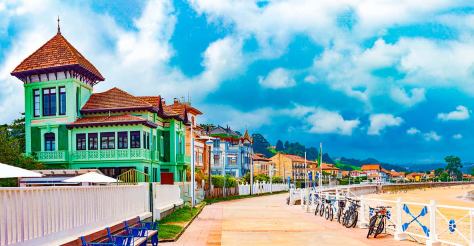
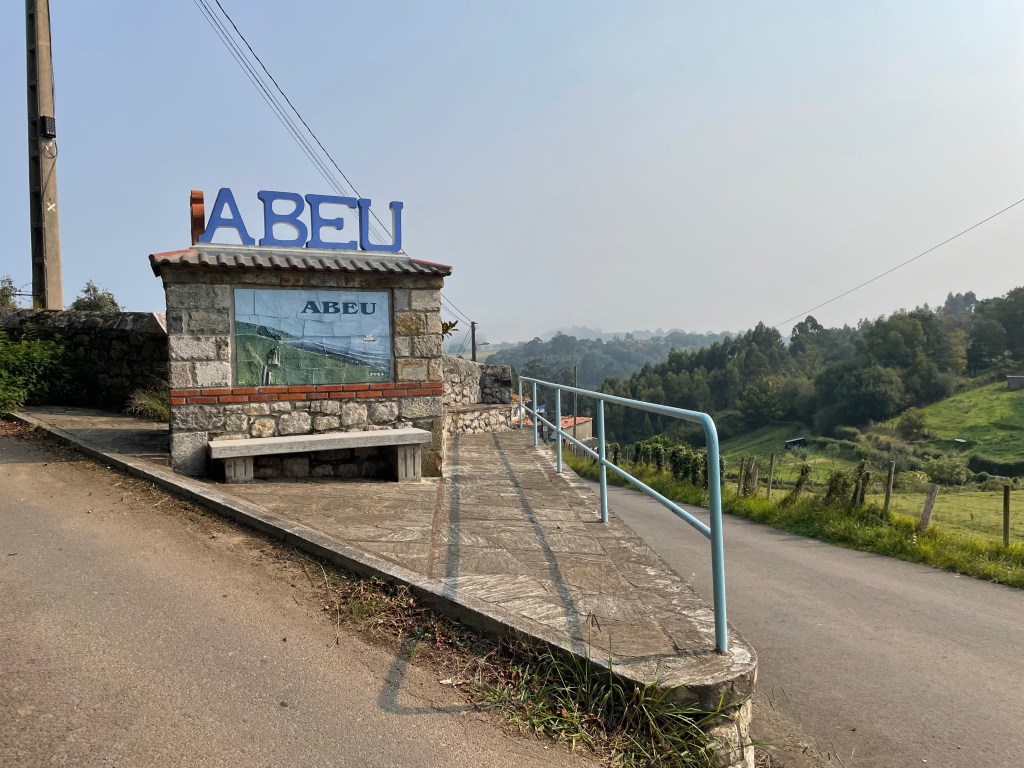


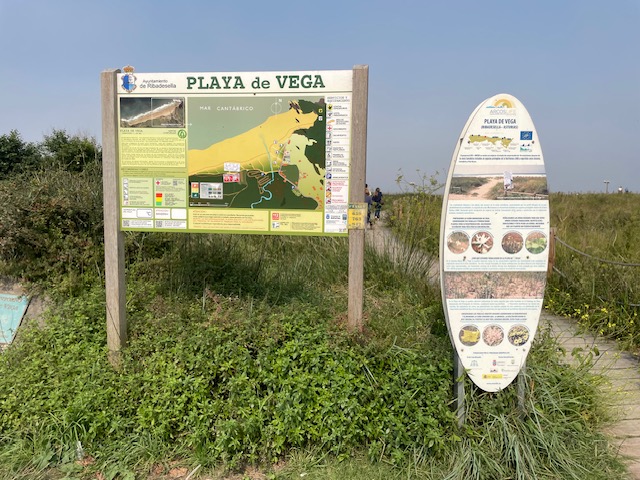

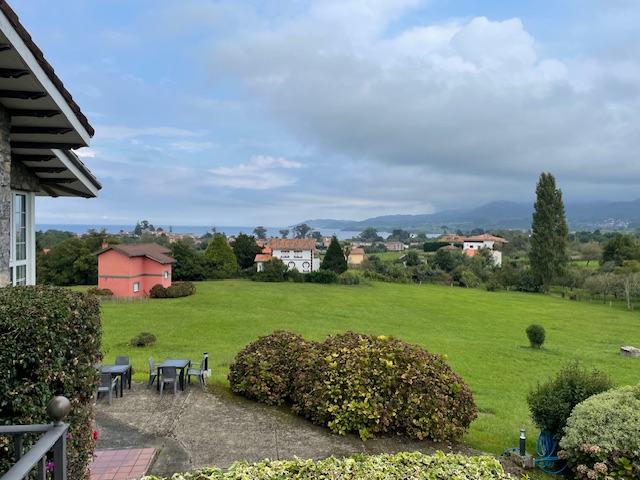

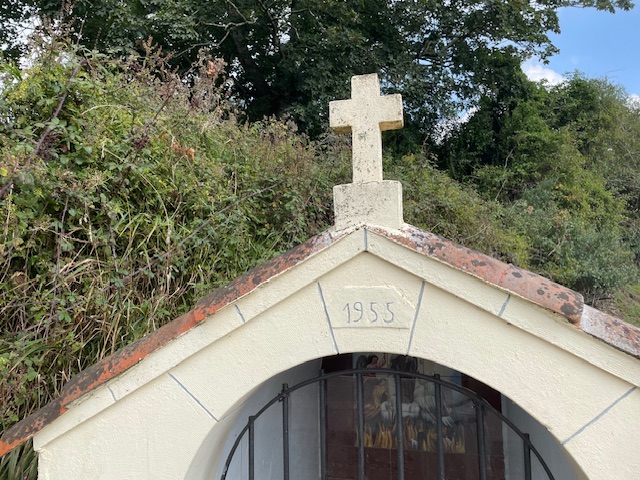


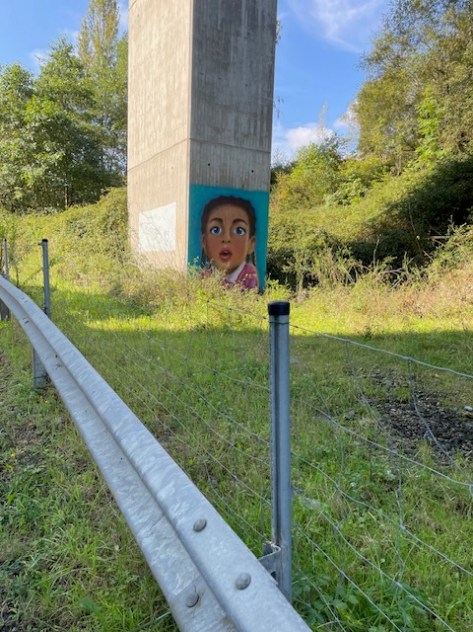
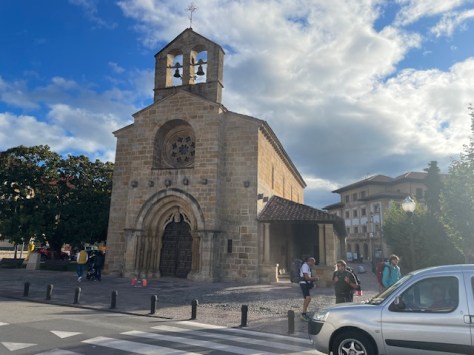


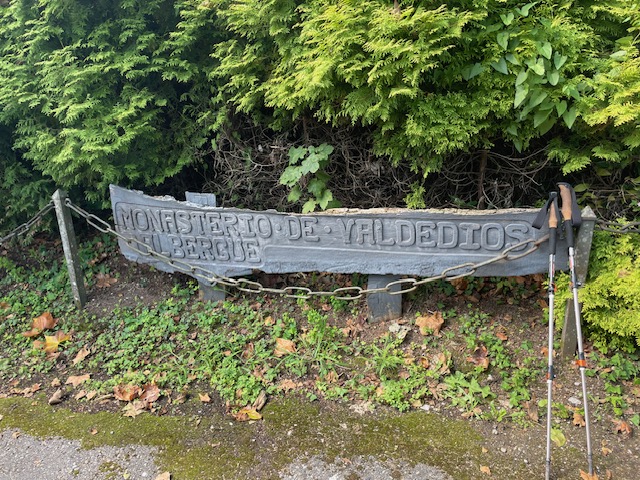

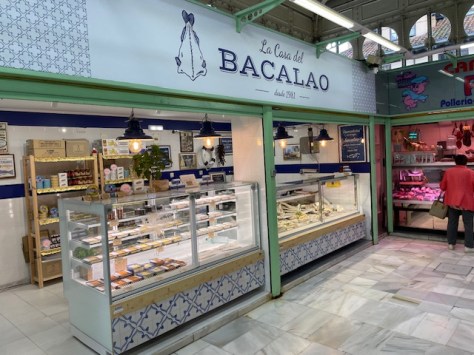
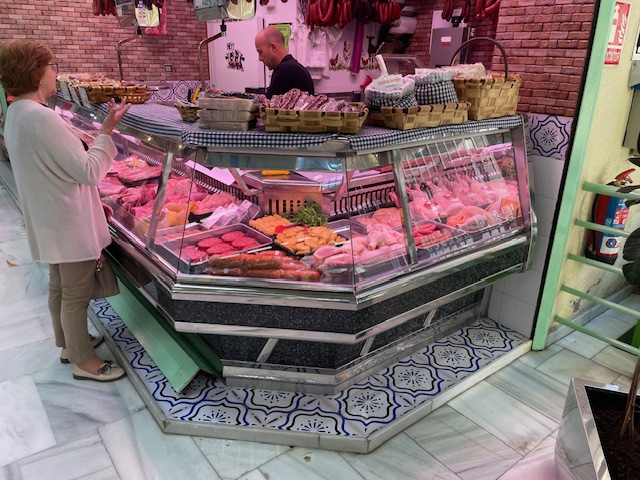
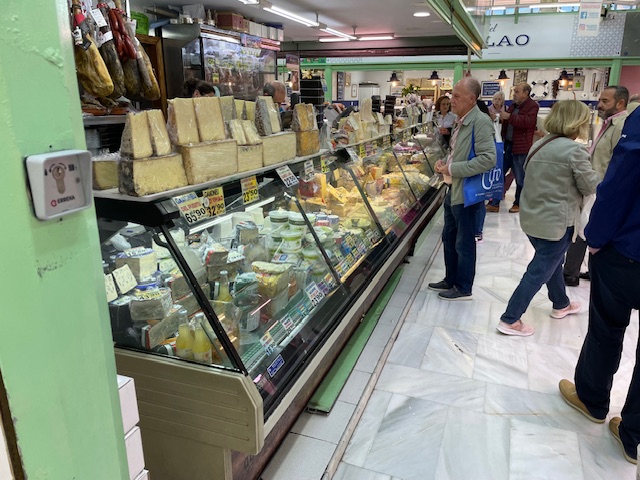
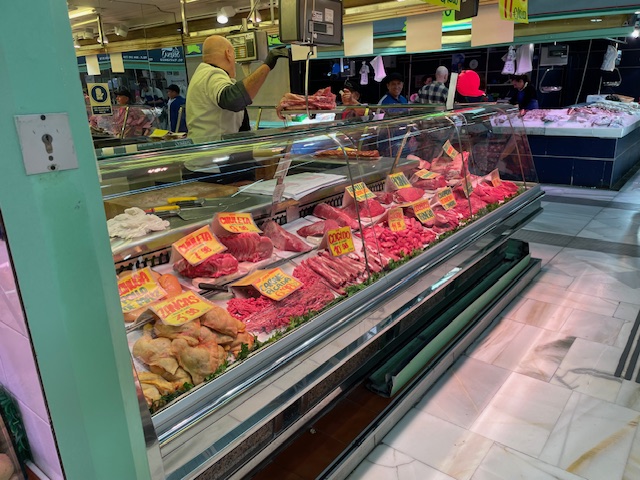
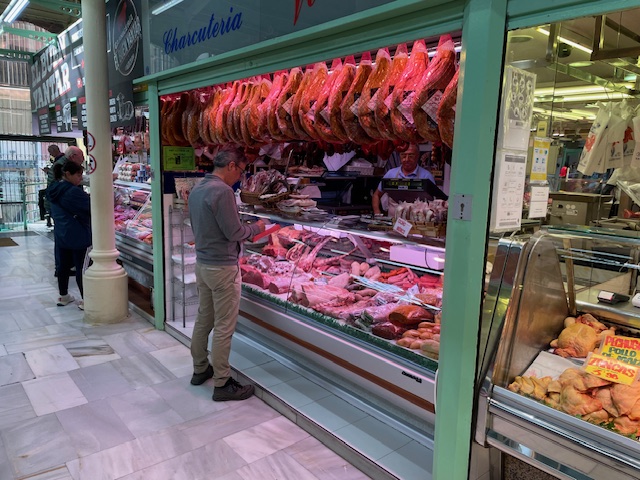


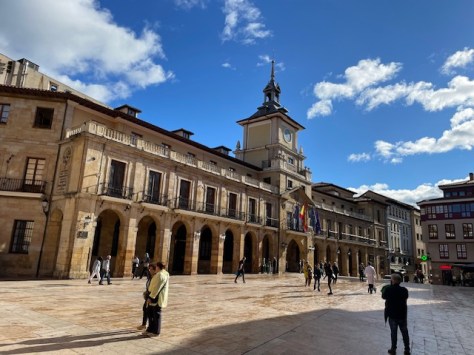


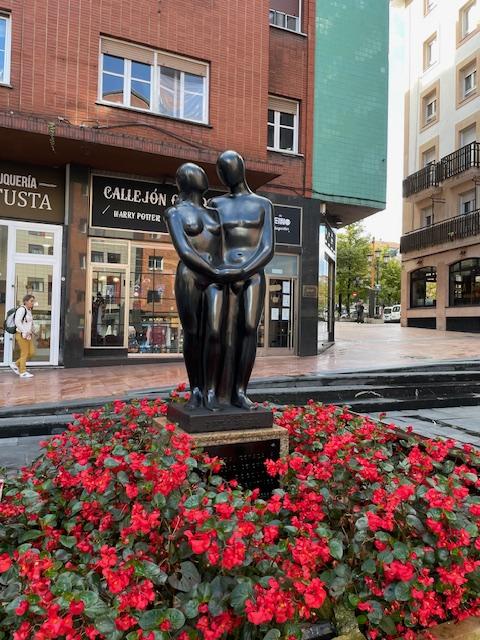

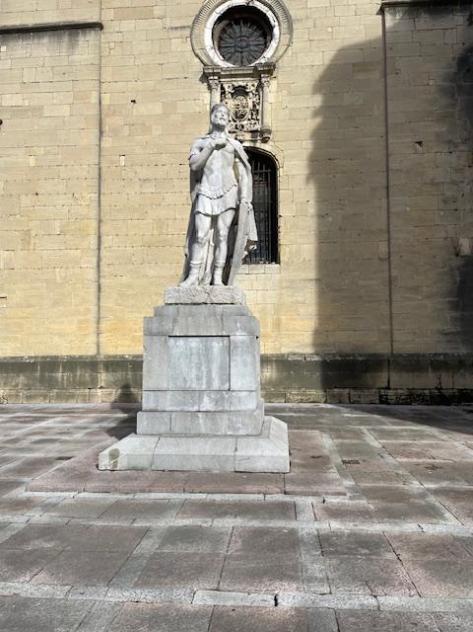
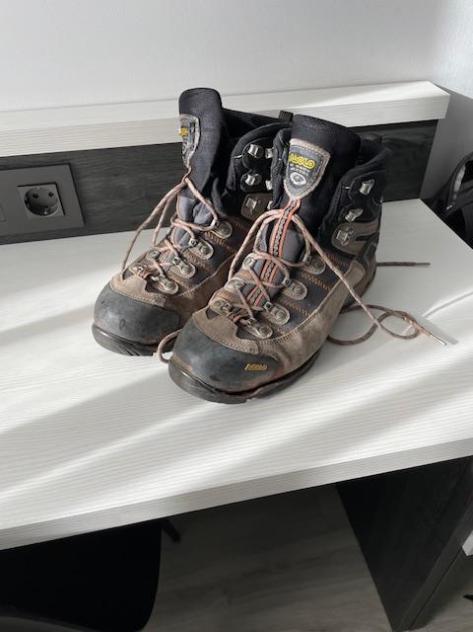
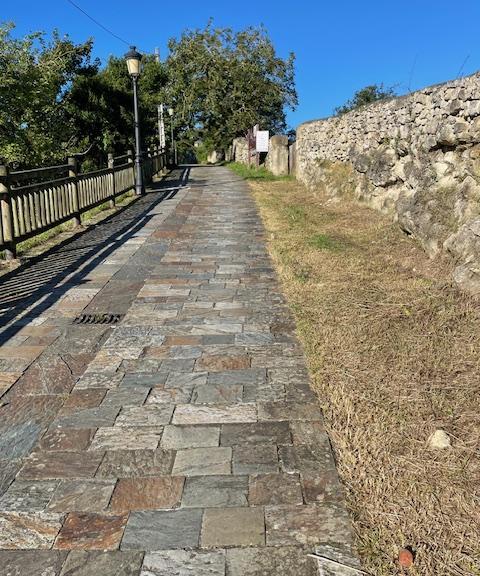





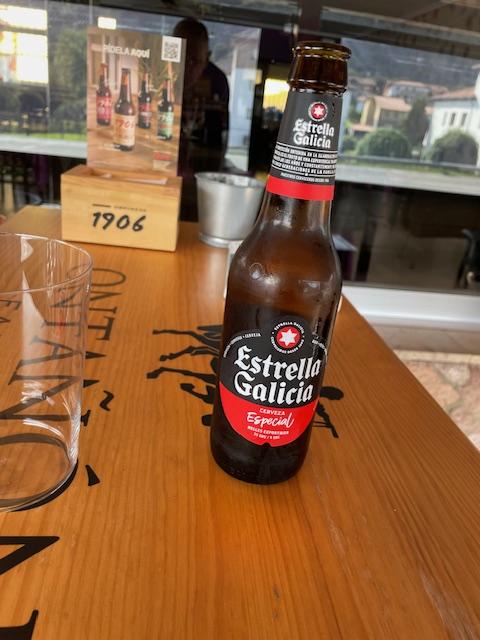
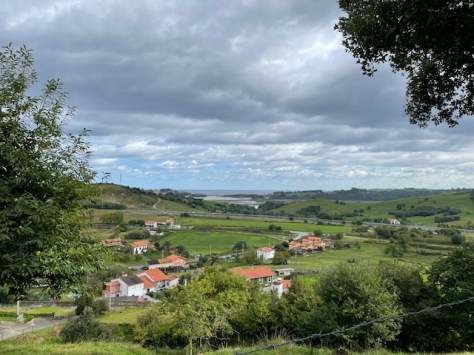
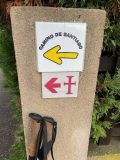
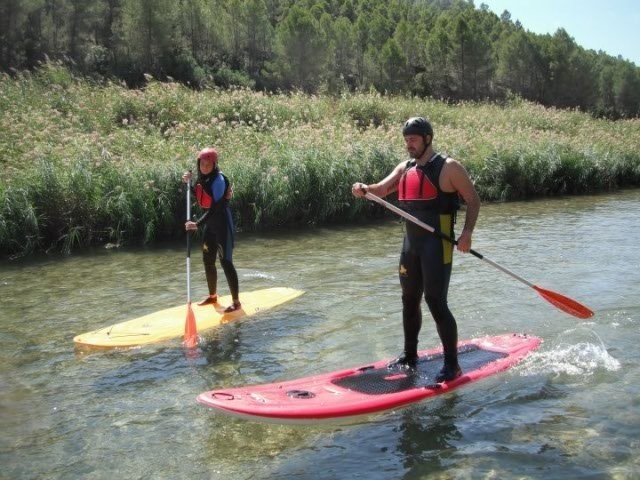
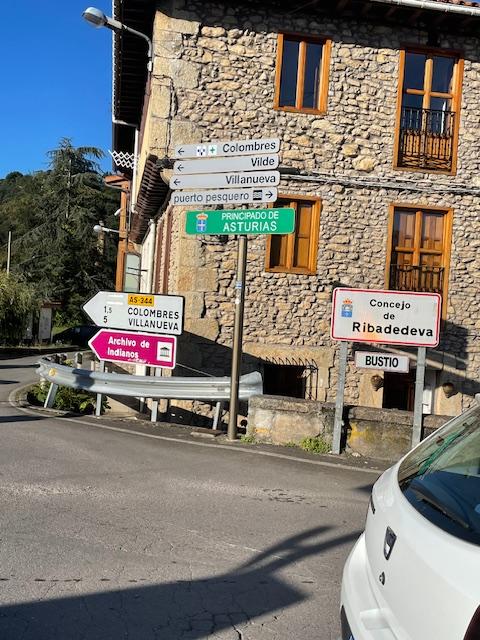
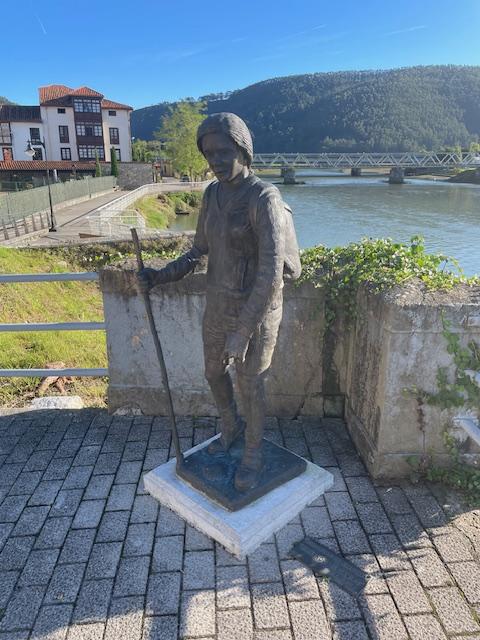

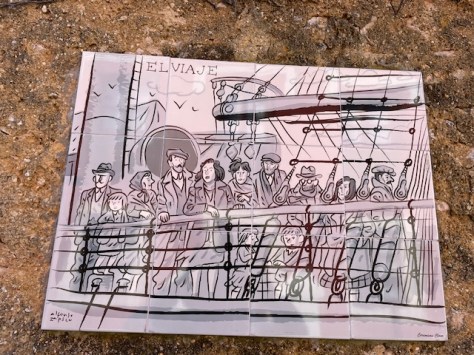
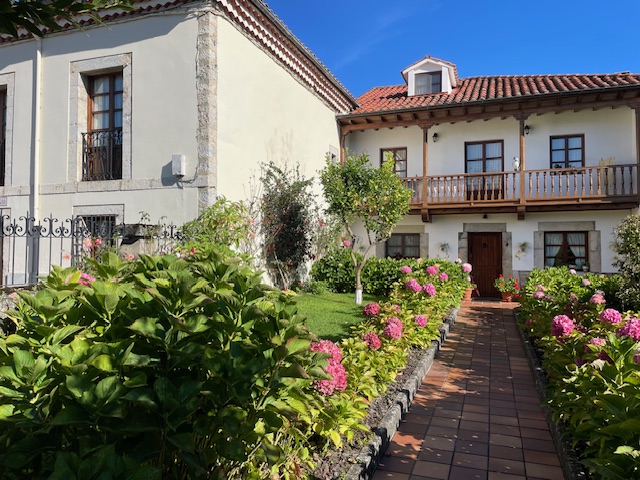
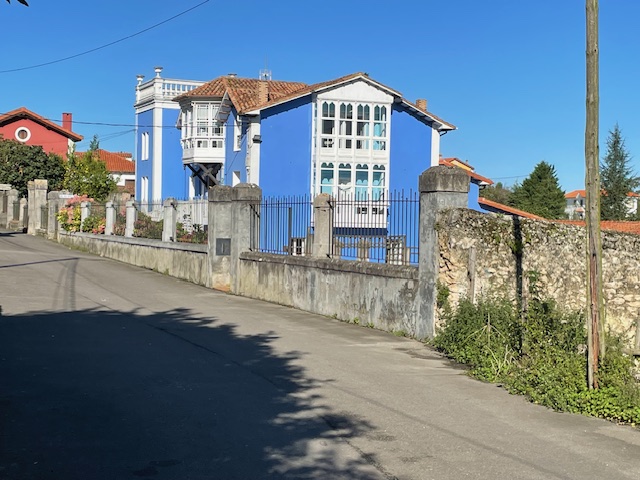


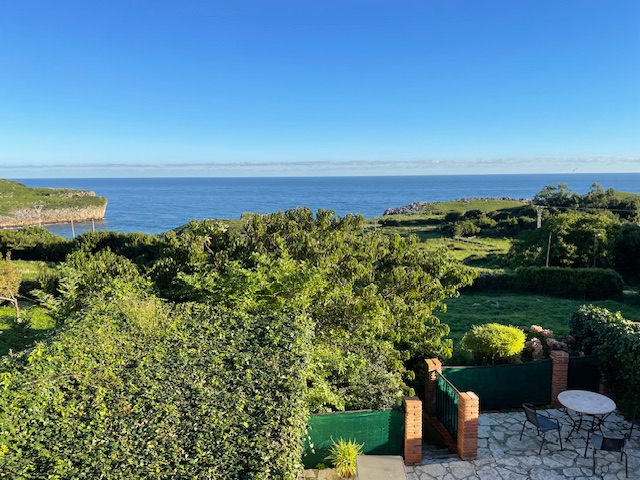


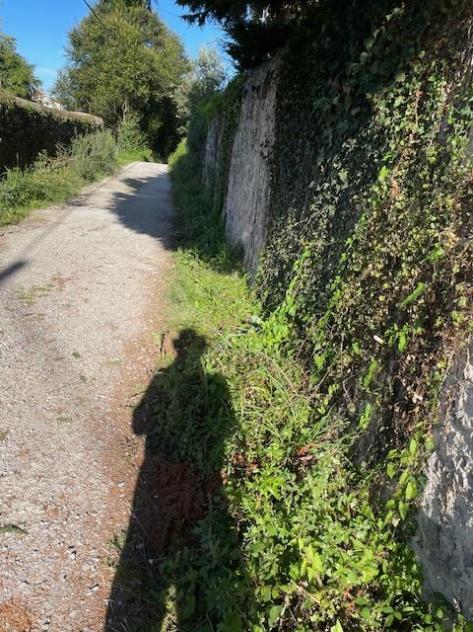

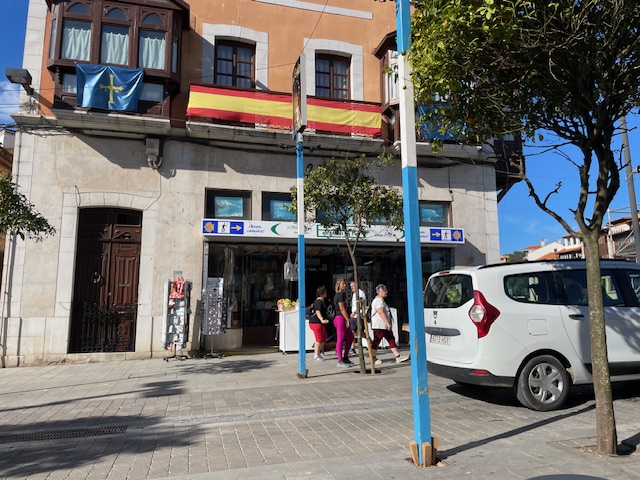



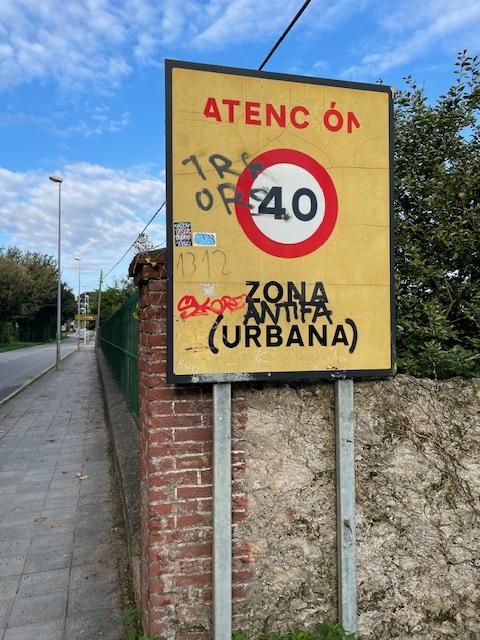
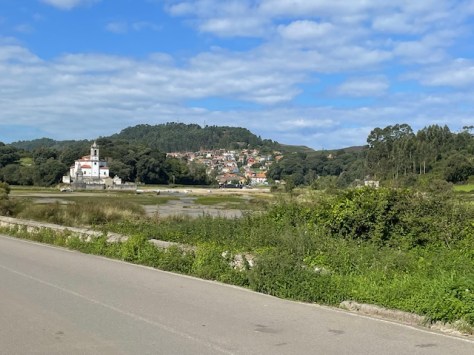
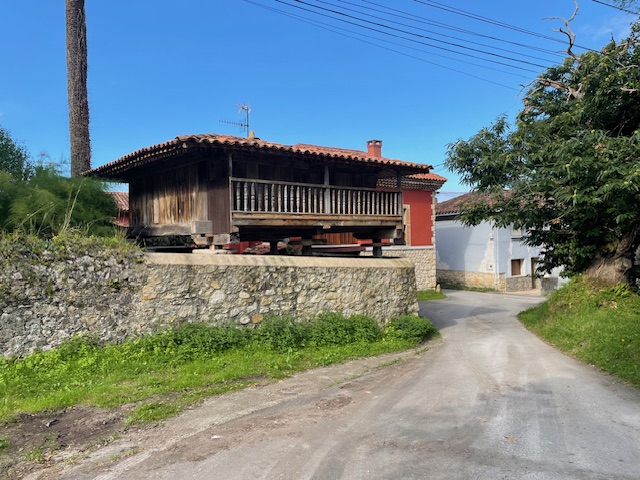
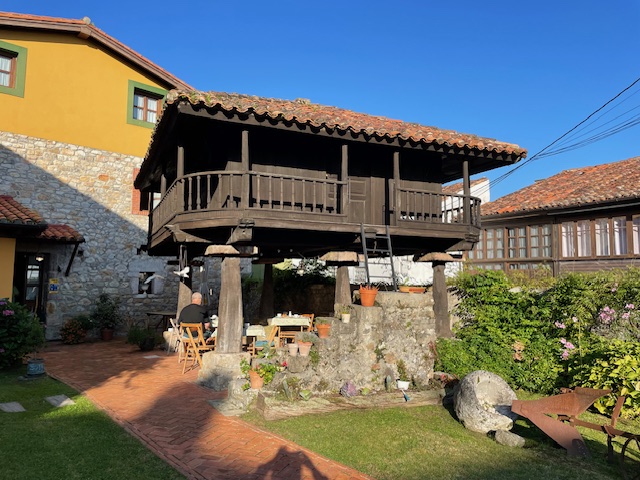
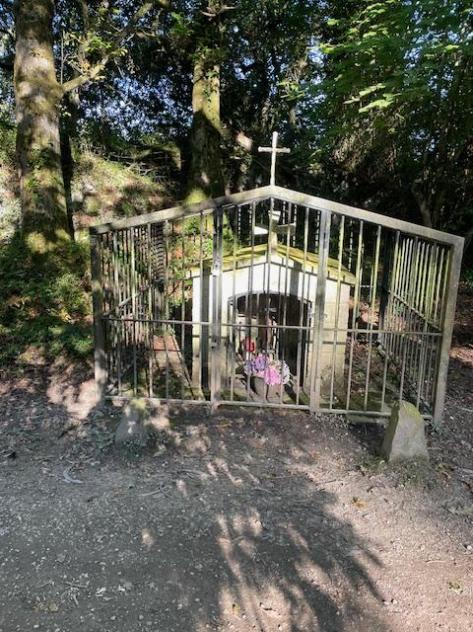


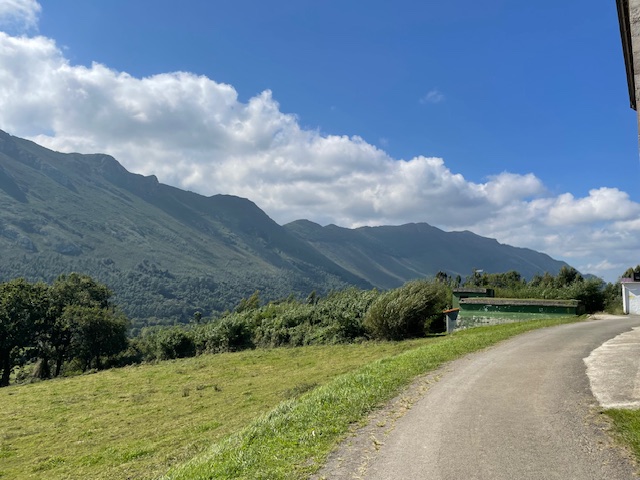
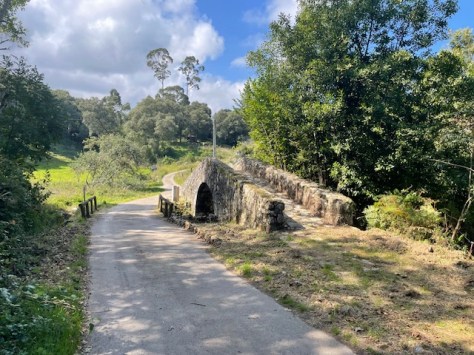

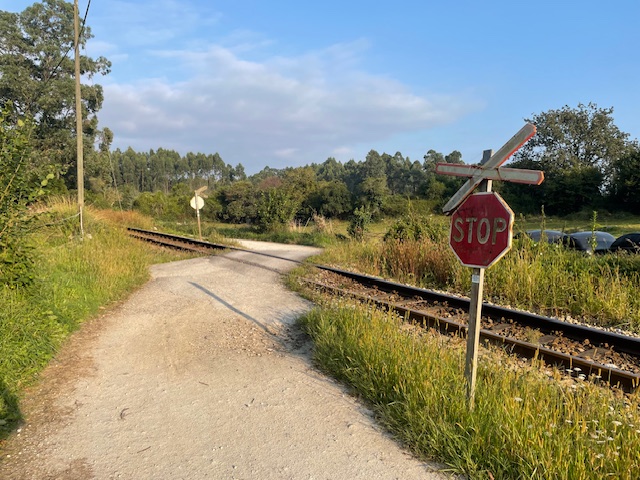


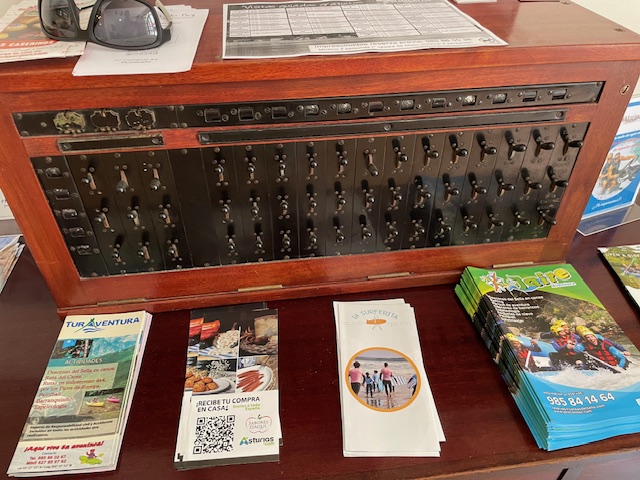


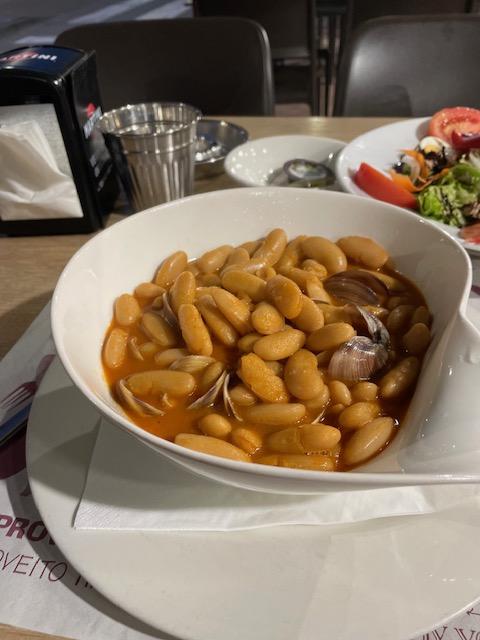
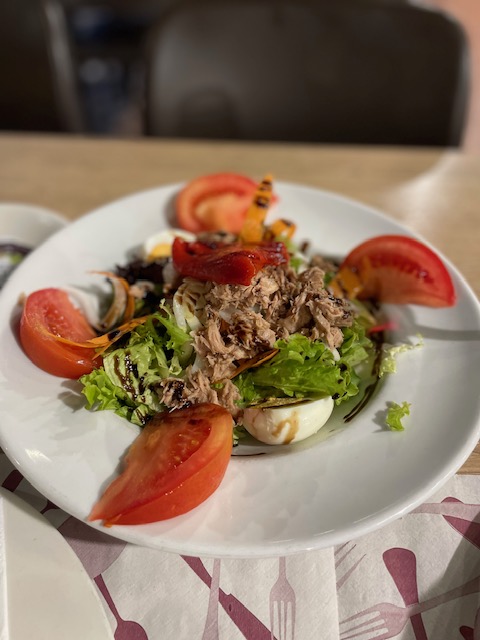


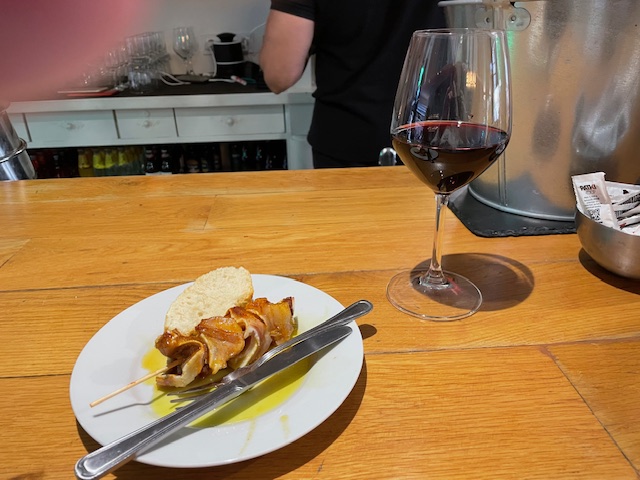
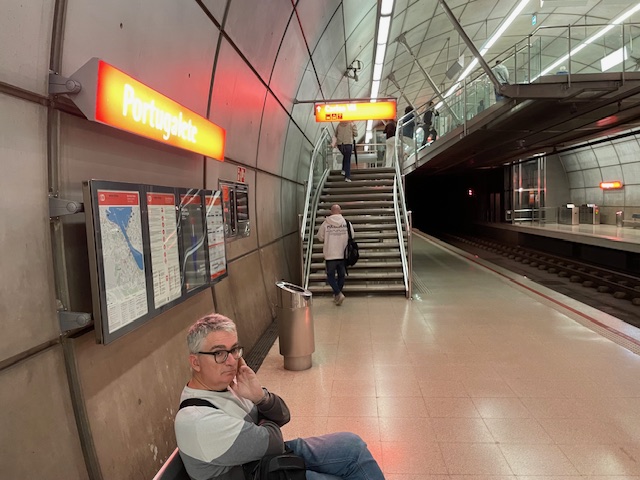
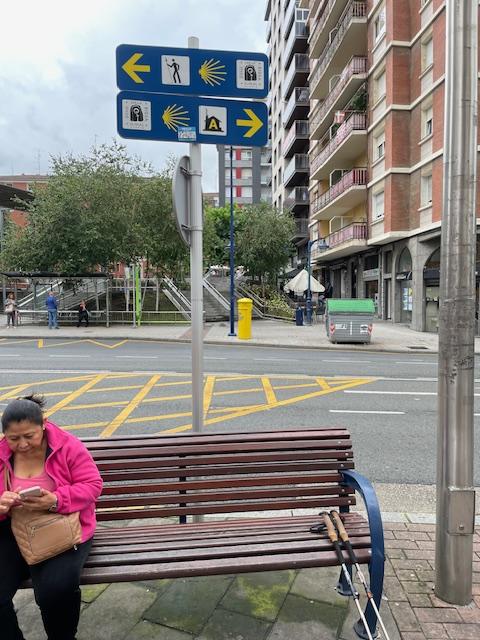


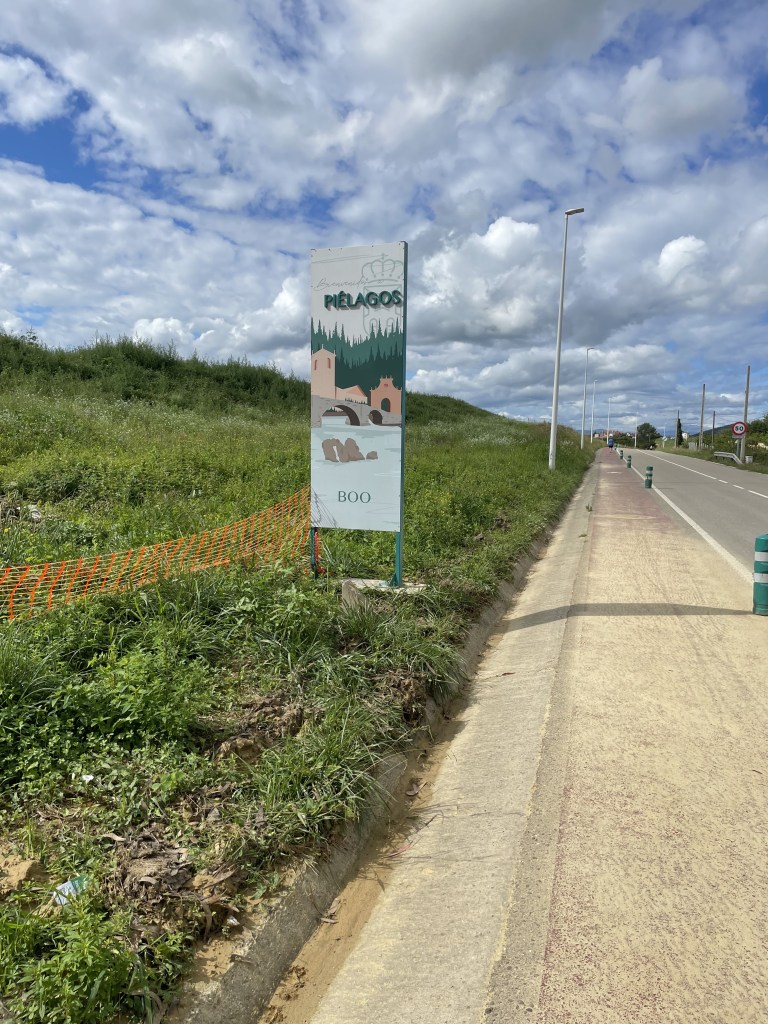

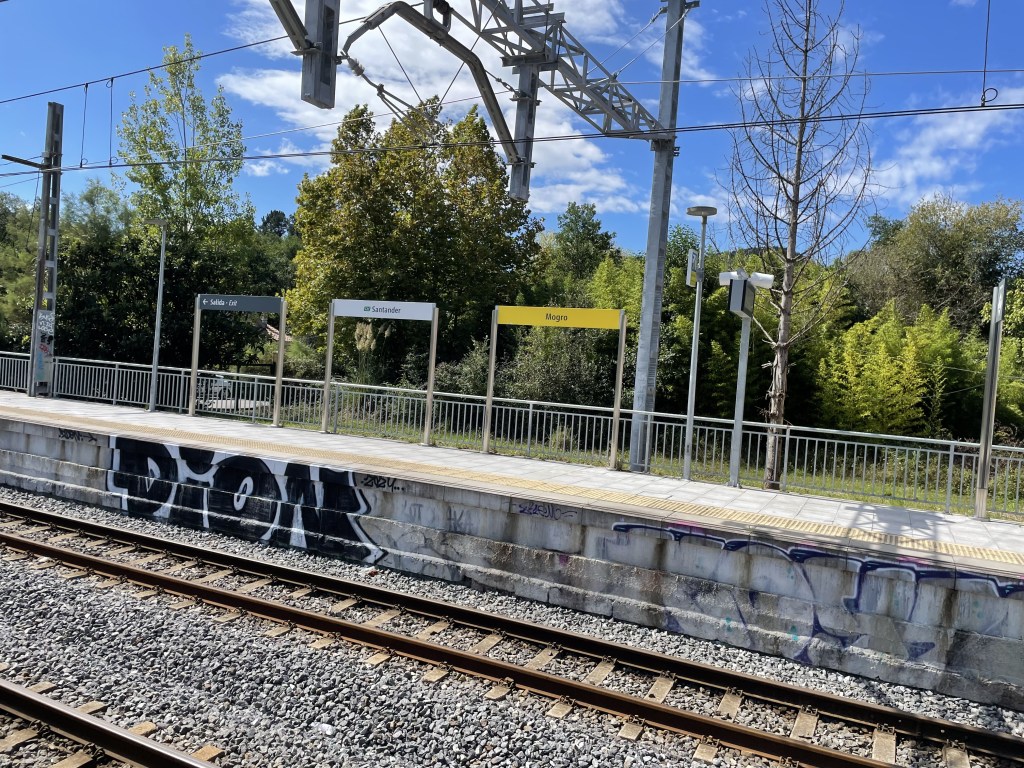


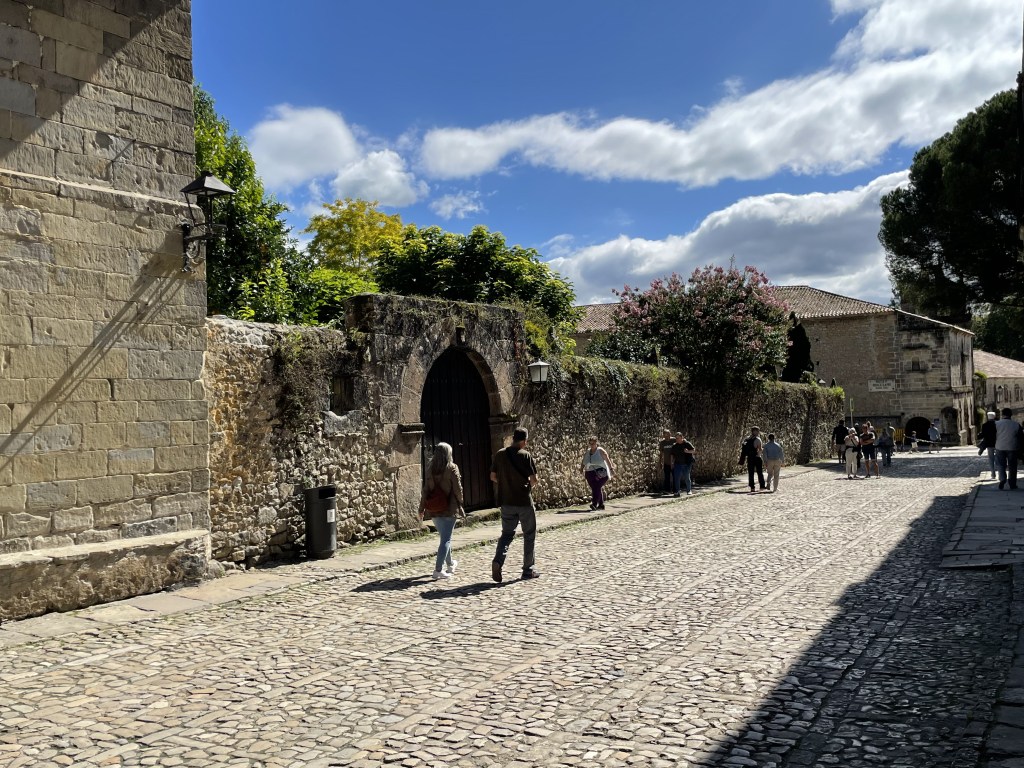
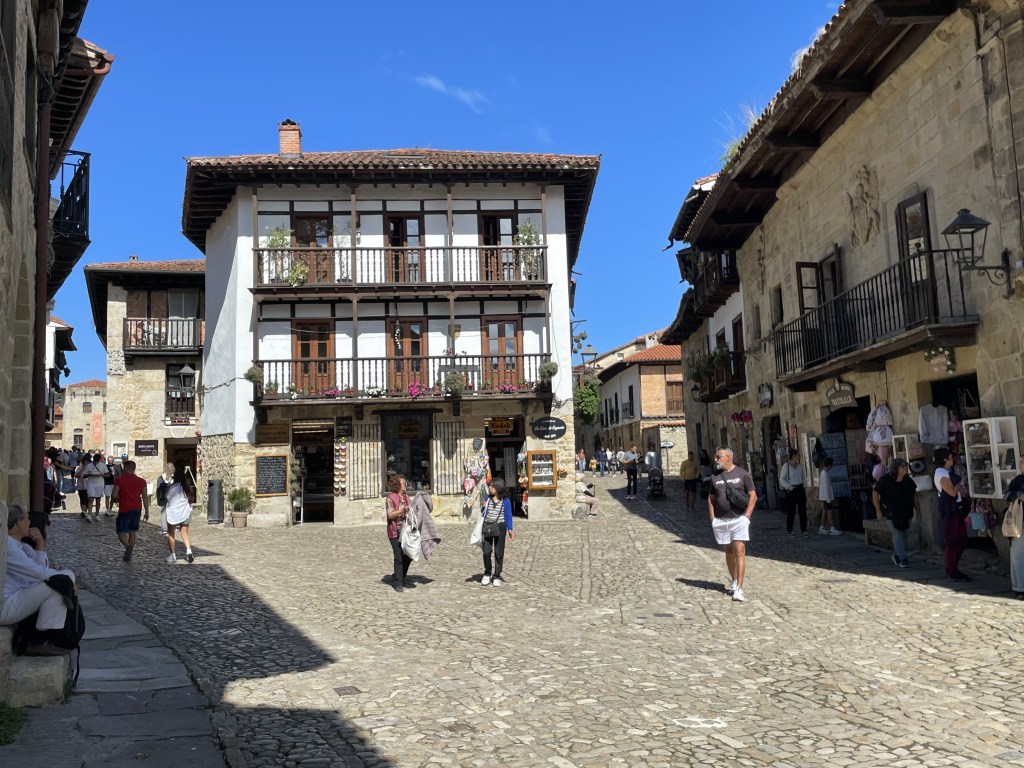
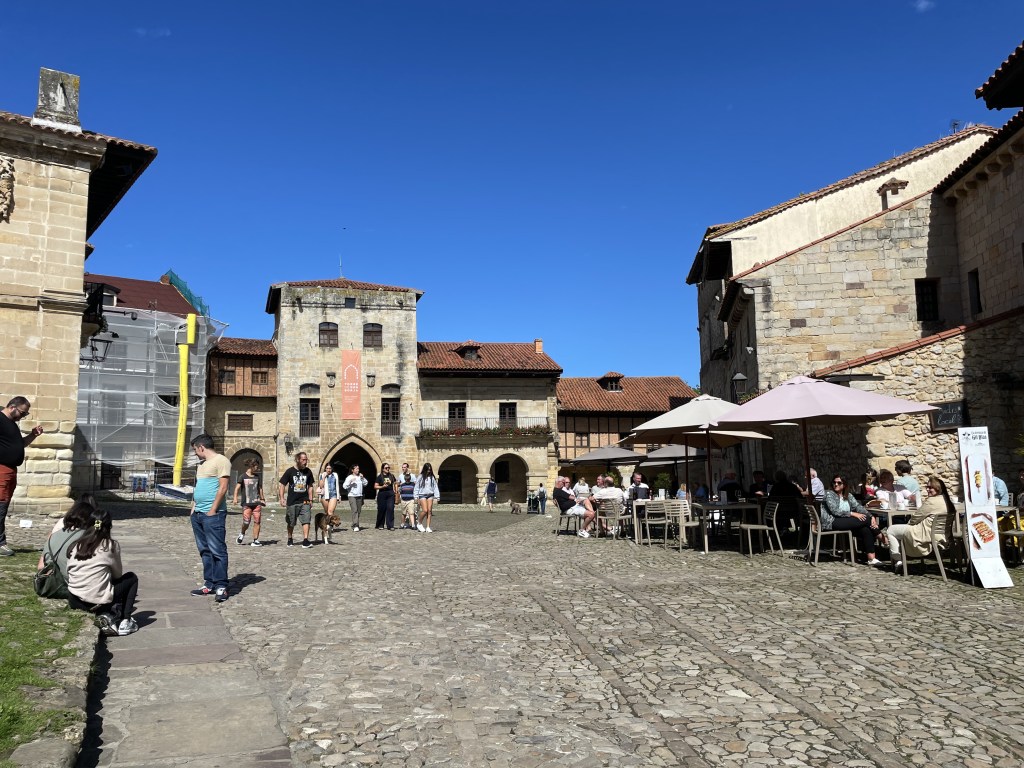


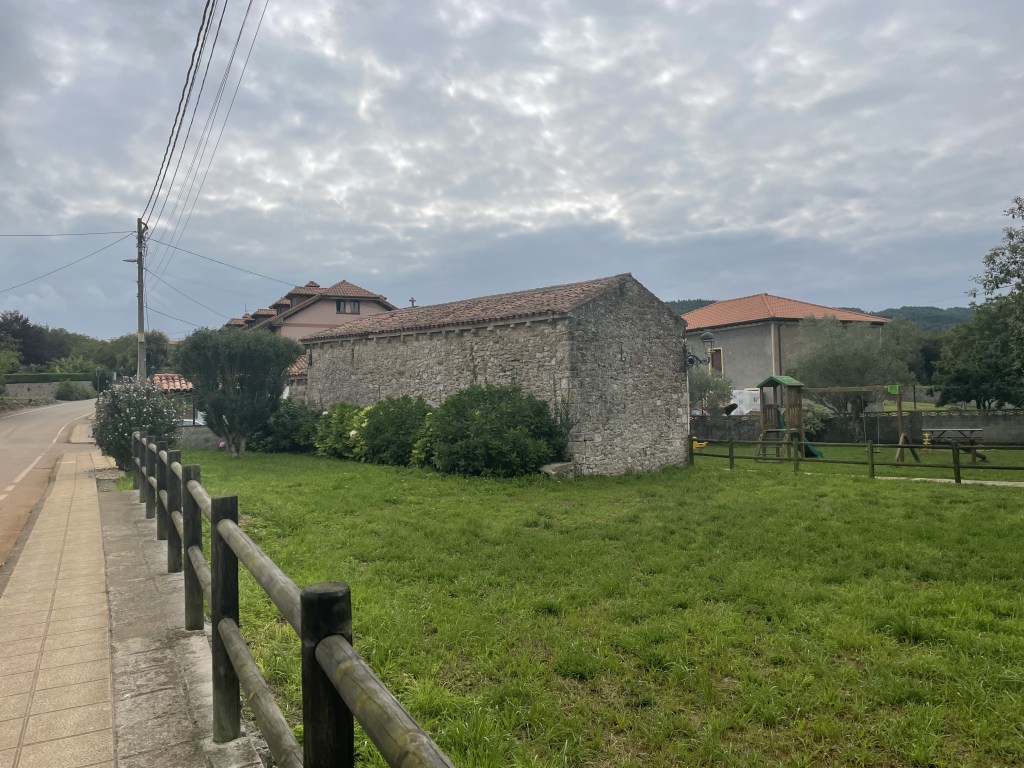


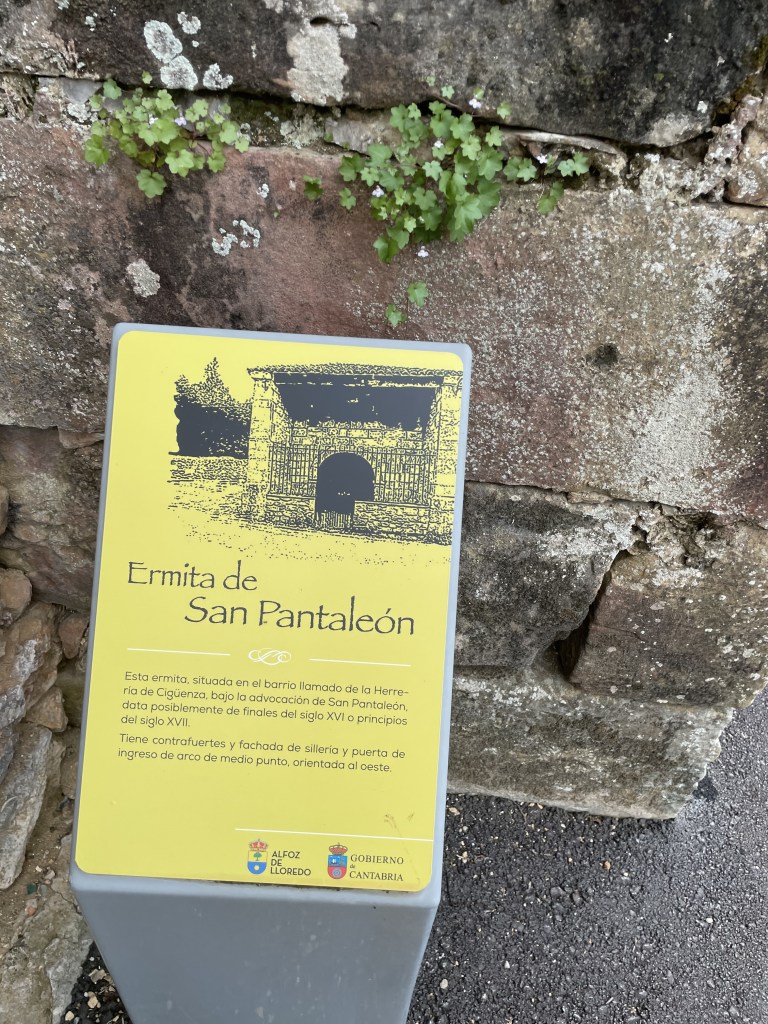





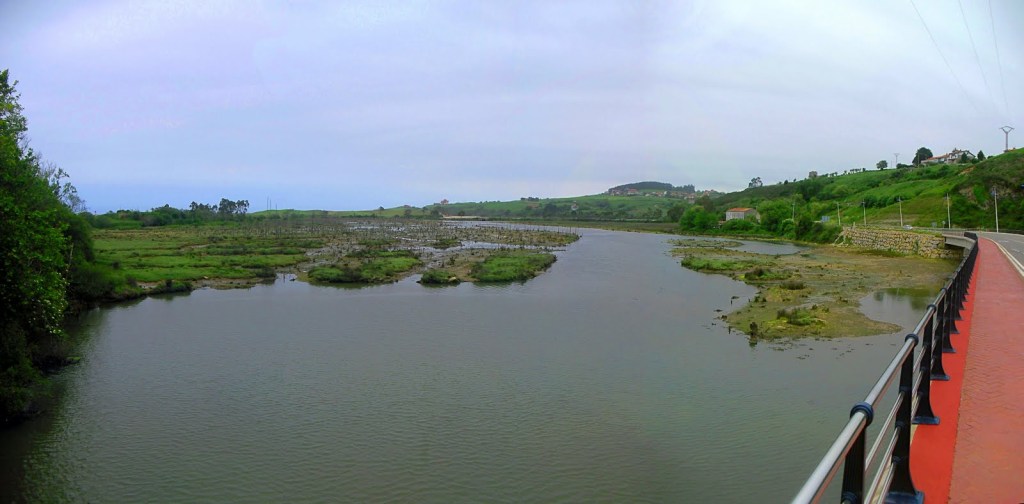

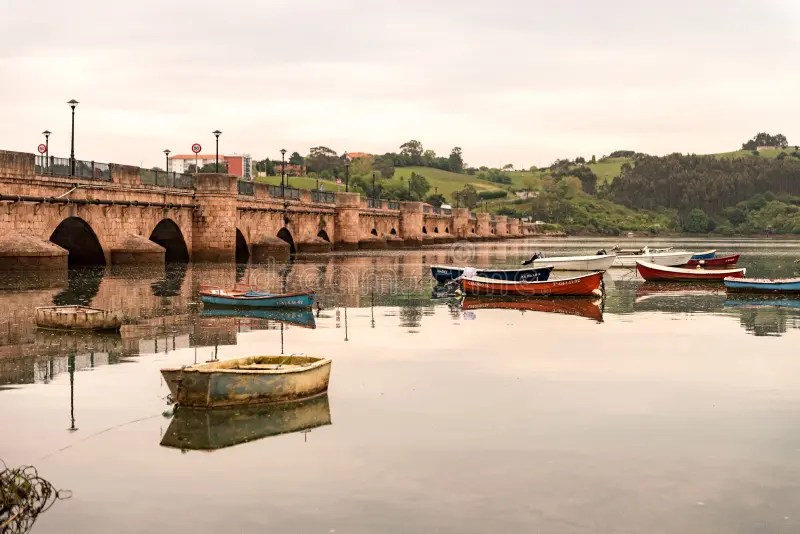


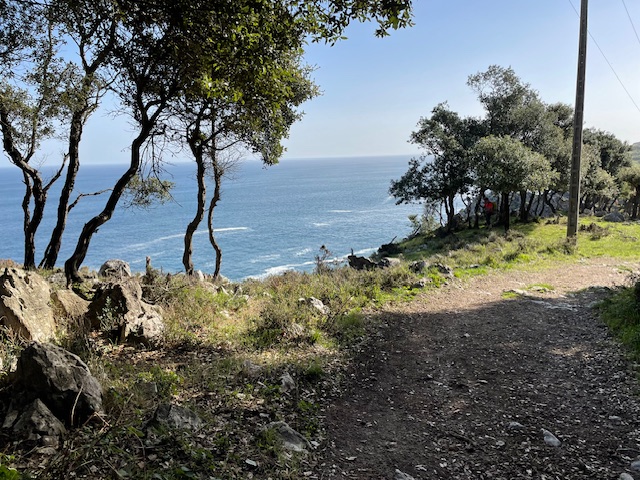





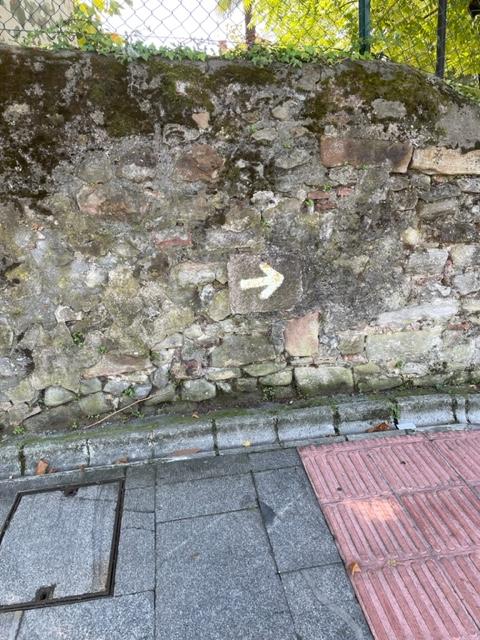


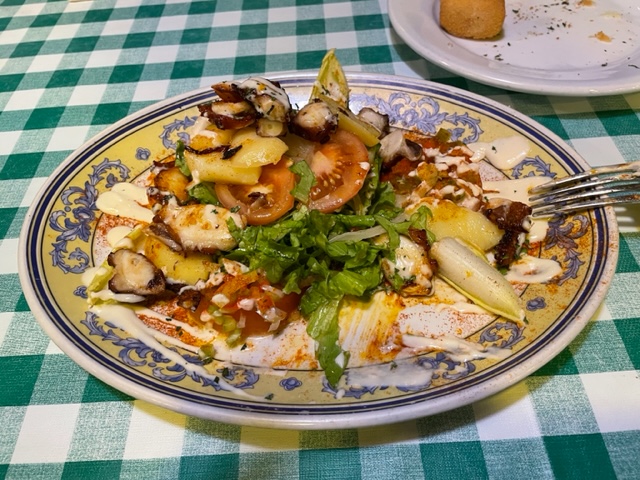
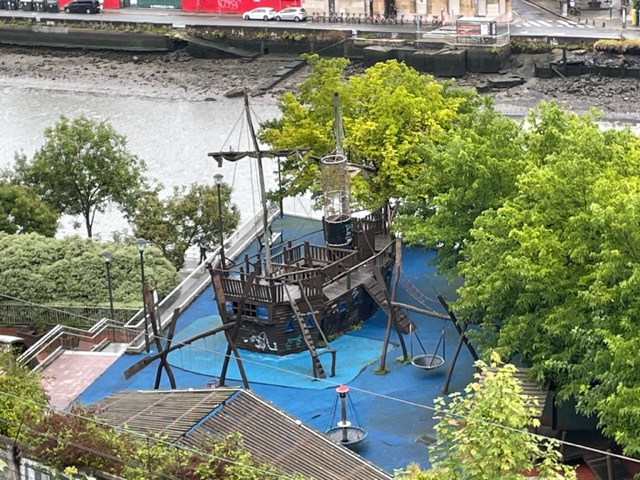


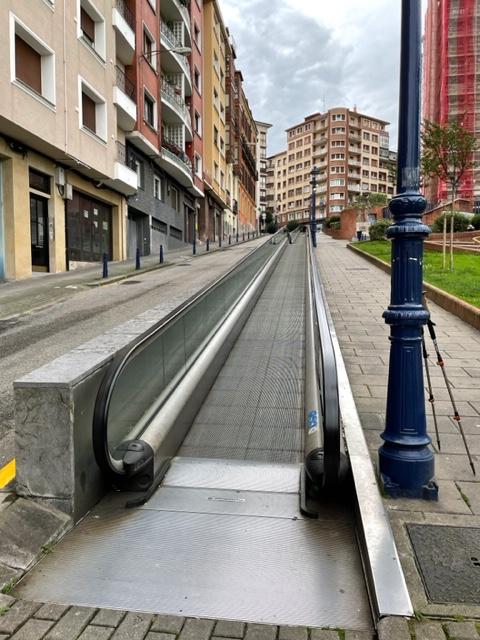


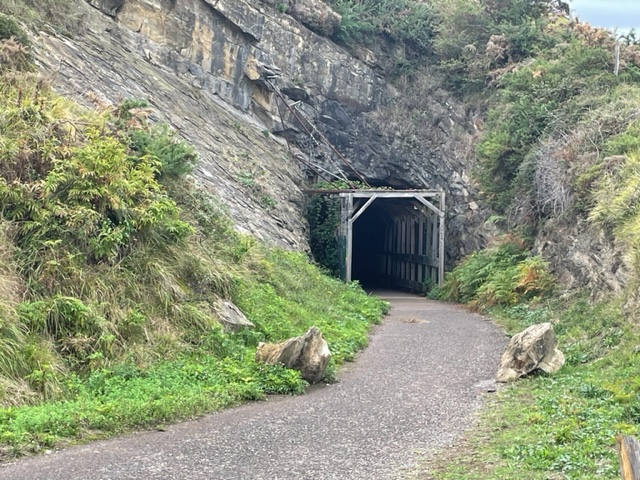


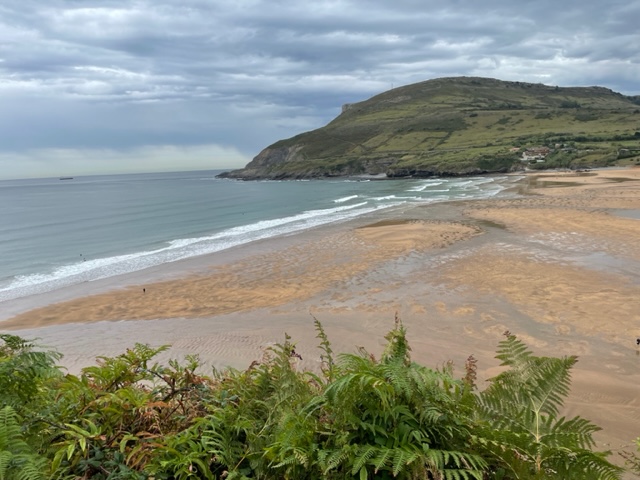

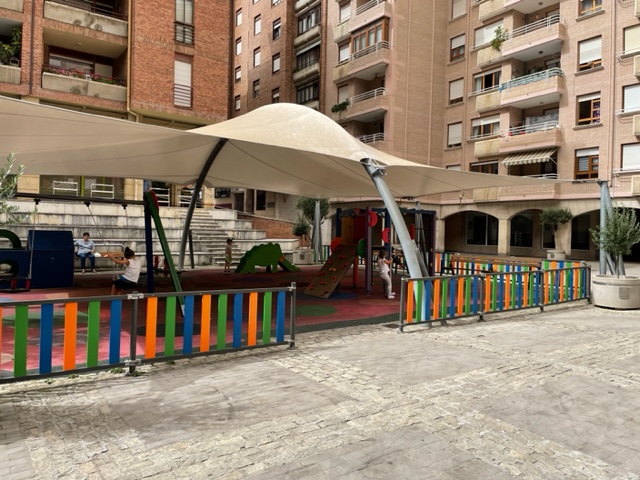

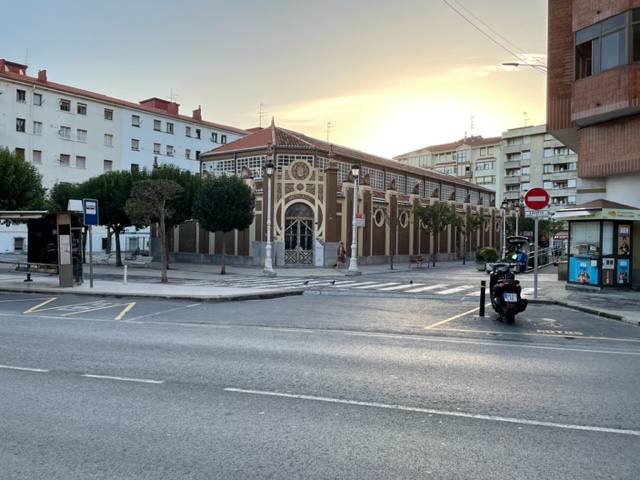
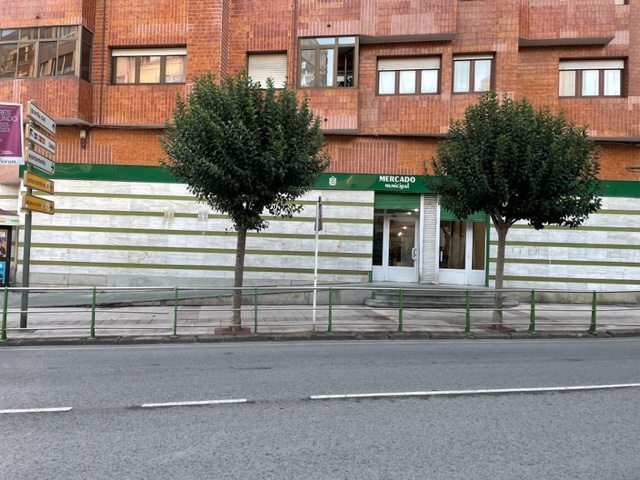
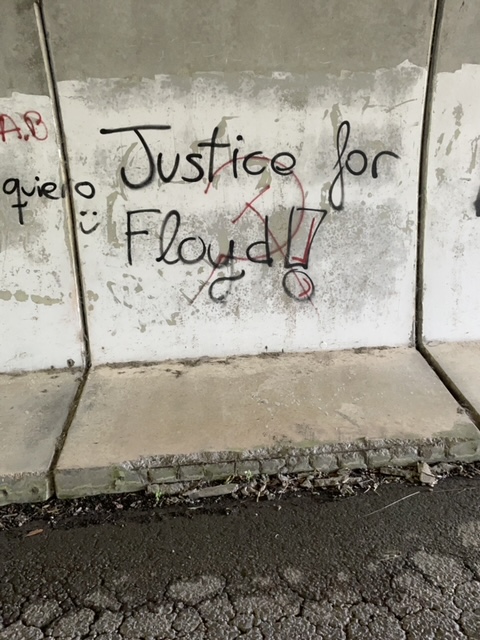

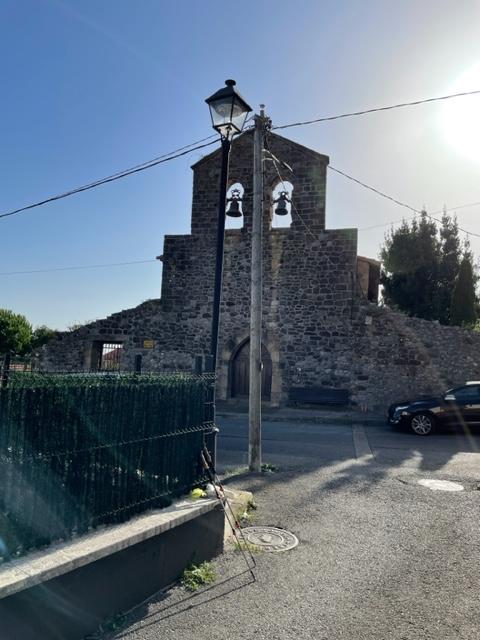

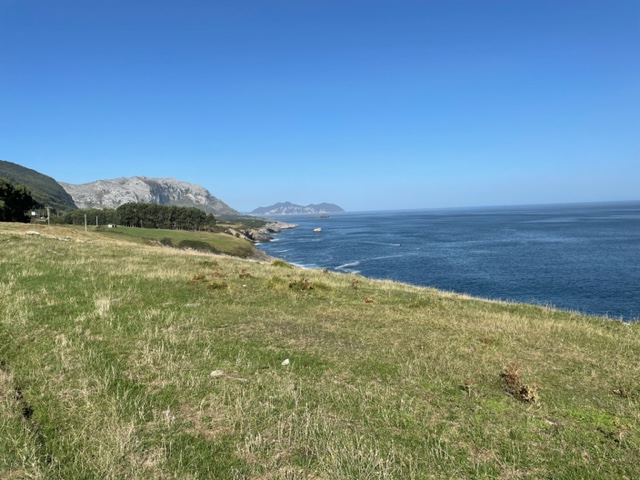


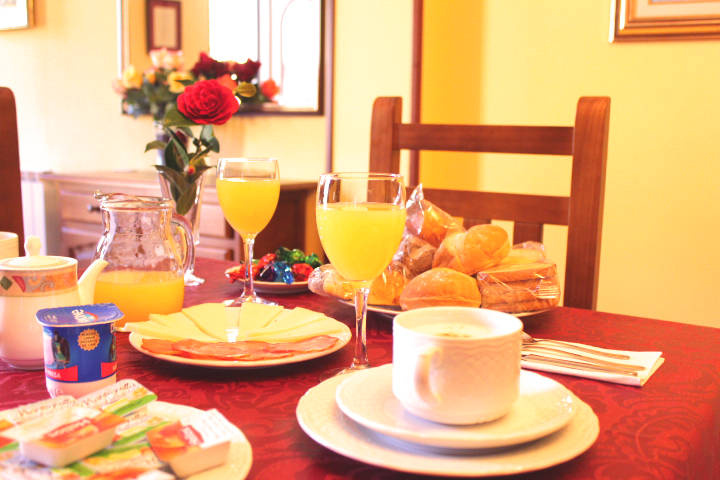


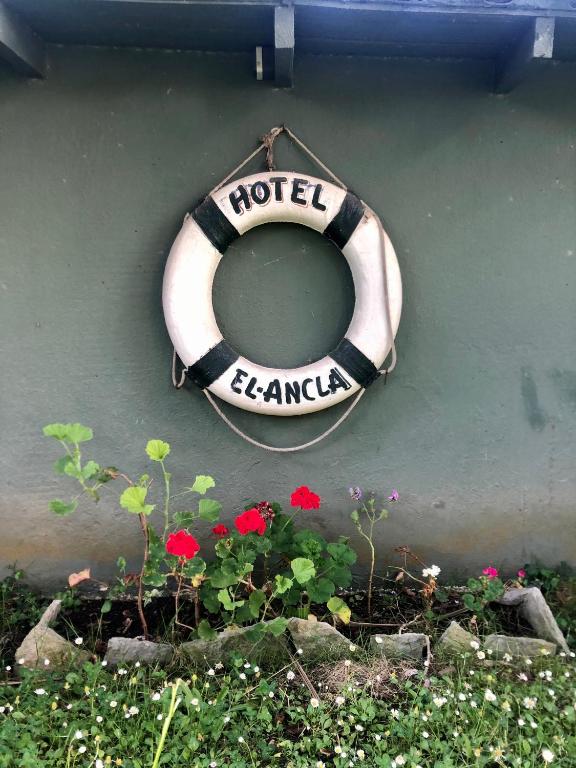

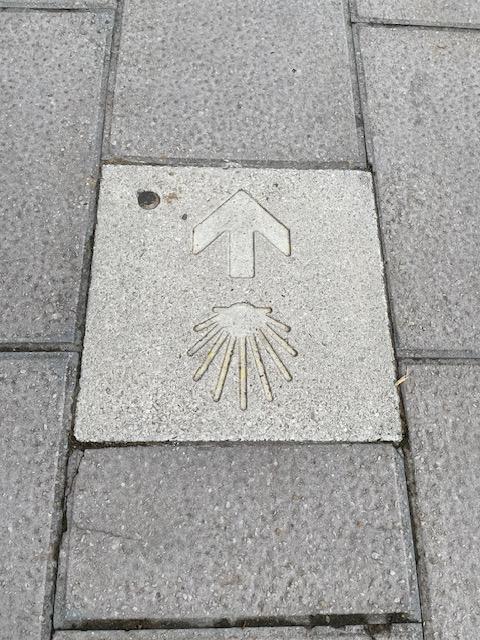
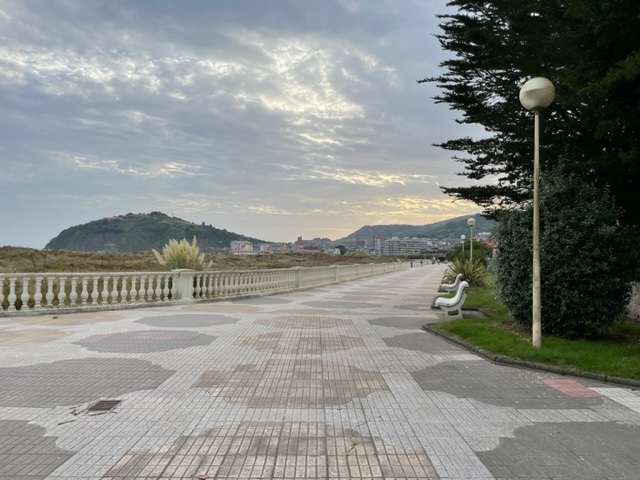


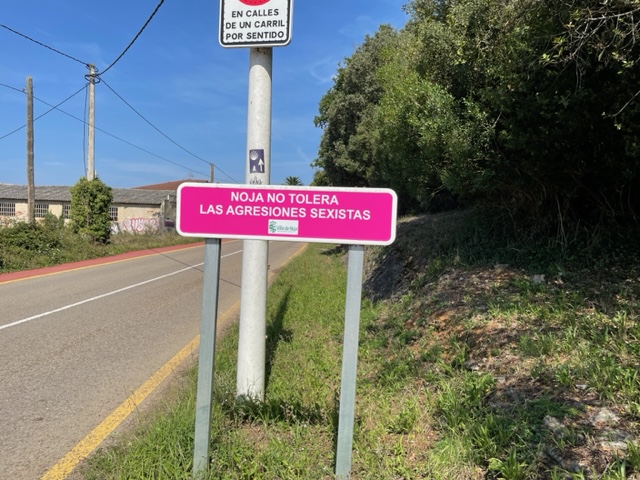
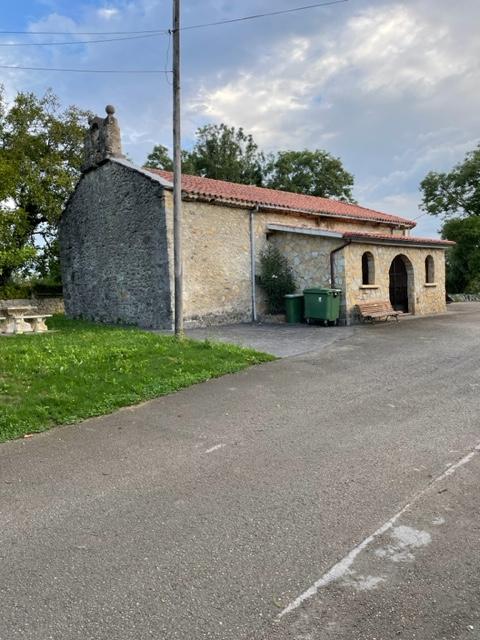


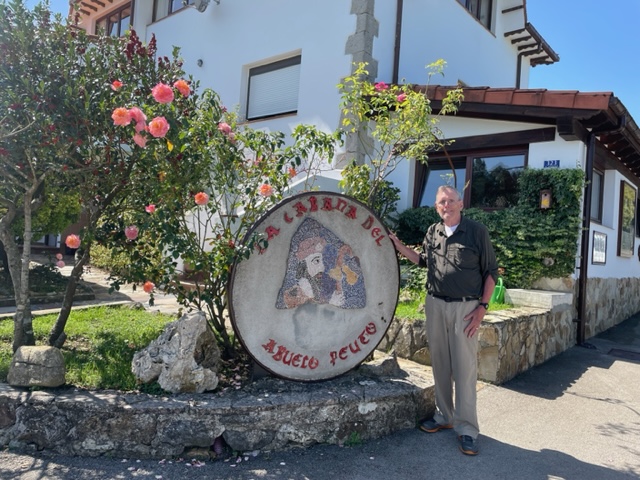


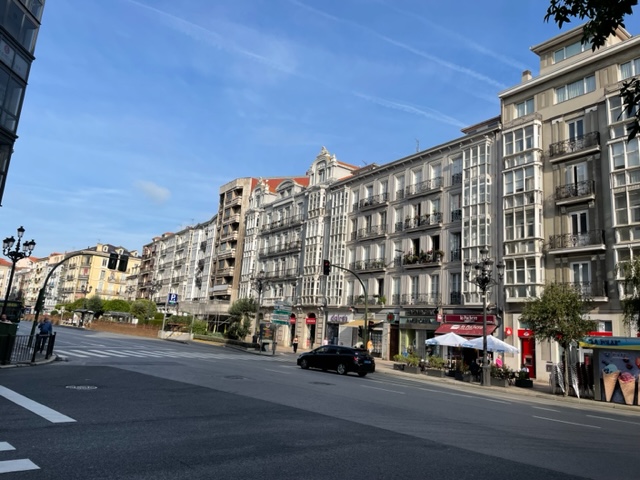
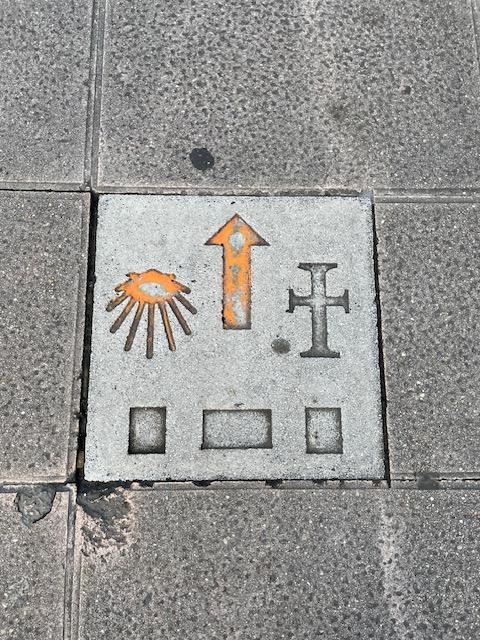

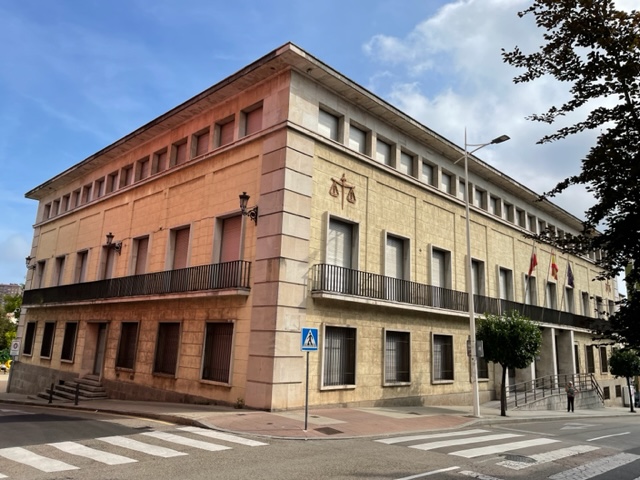
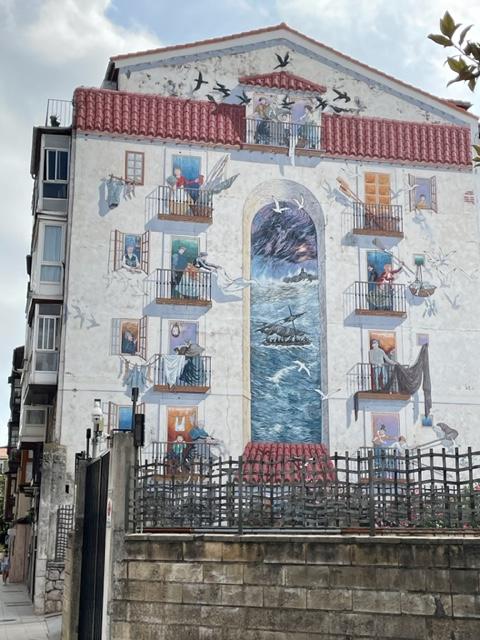





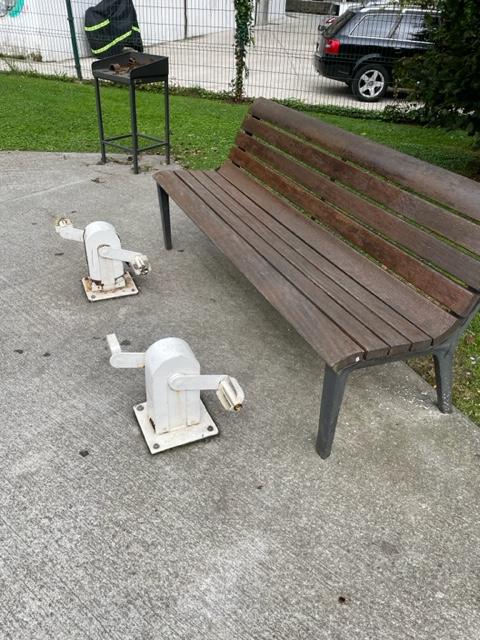




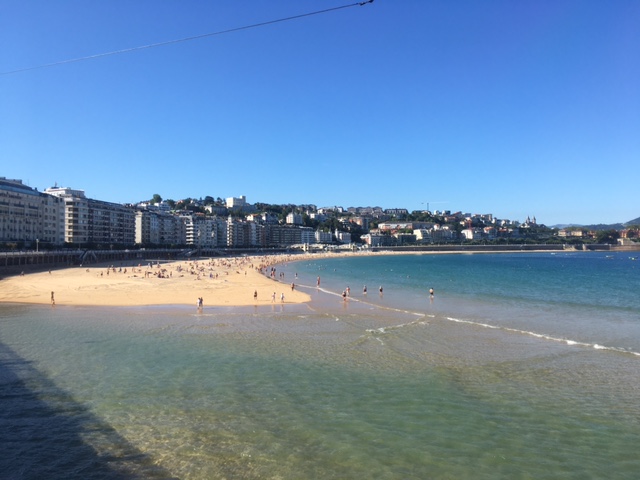


 The Fog City Boy had a reservation at a small pension in the Bayonne’s old town, just two blocks from the Cathedral where, on the next morning, he would receive his first sella of the perigrenacion. The lodging was clean and comfortable, though hauling my mochila up four flights of stairs was not fun. Hauling it down the next morning wasn’t either.

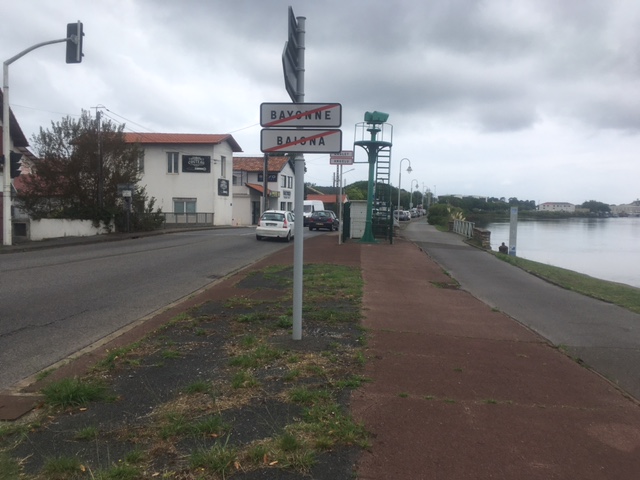


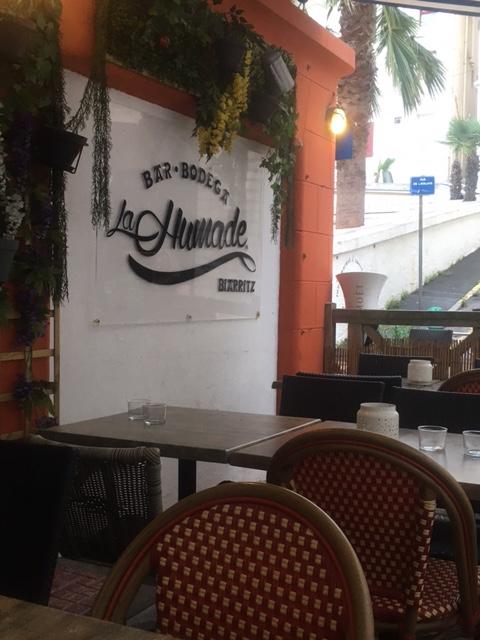
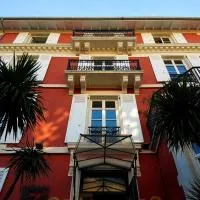
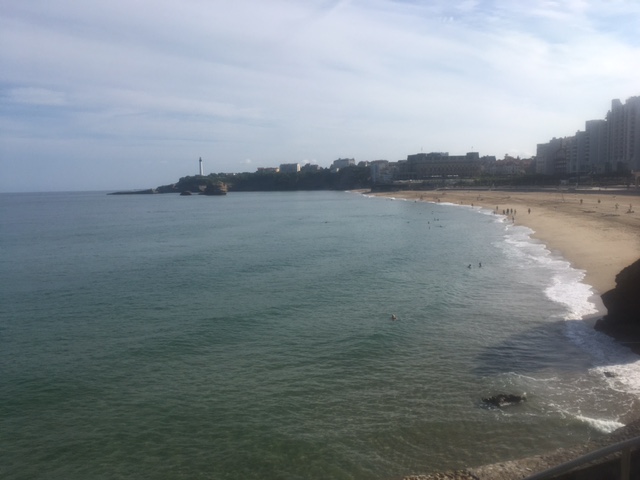

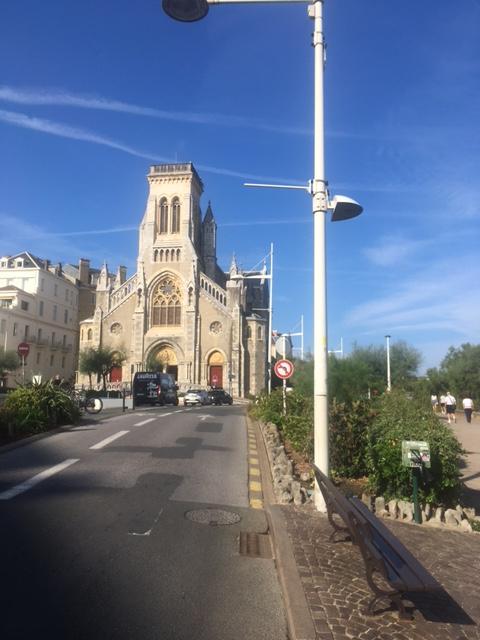

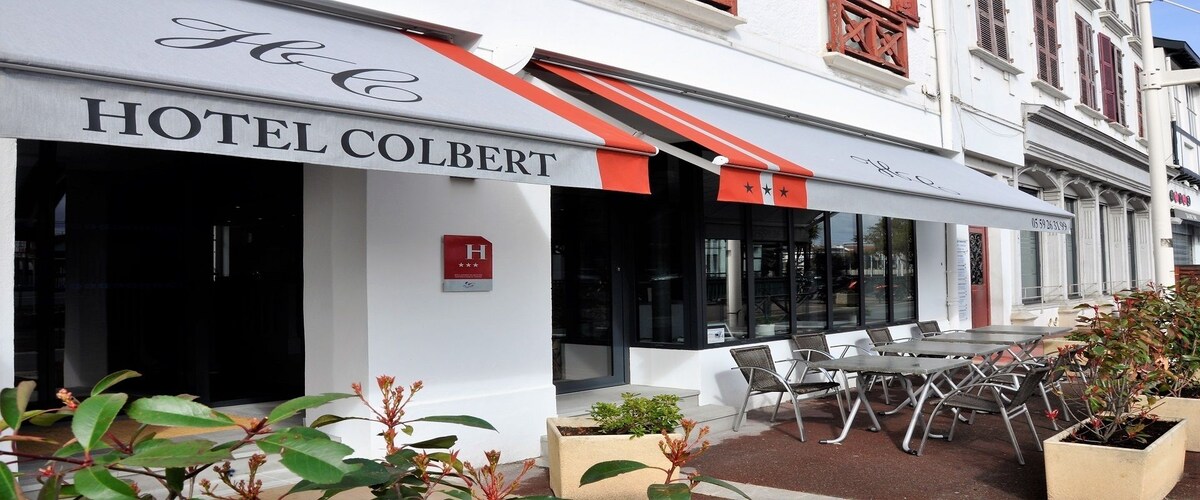




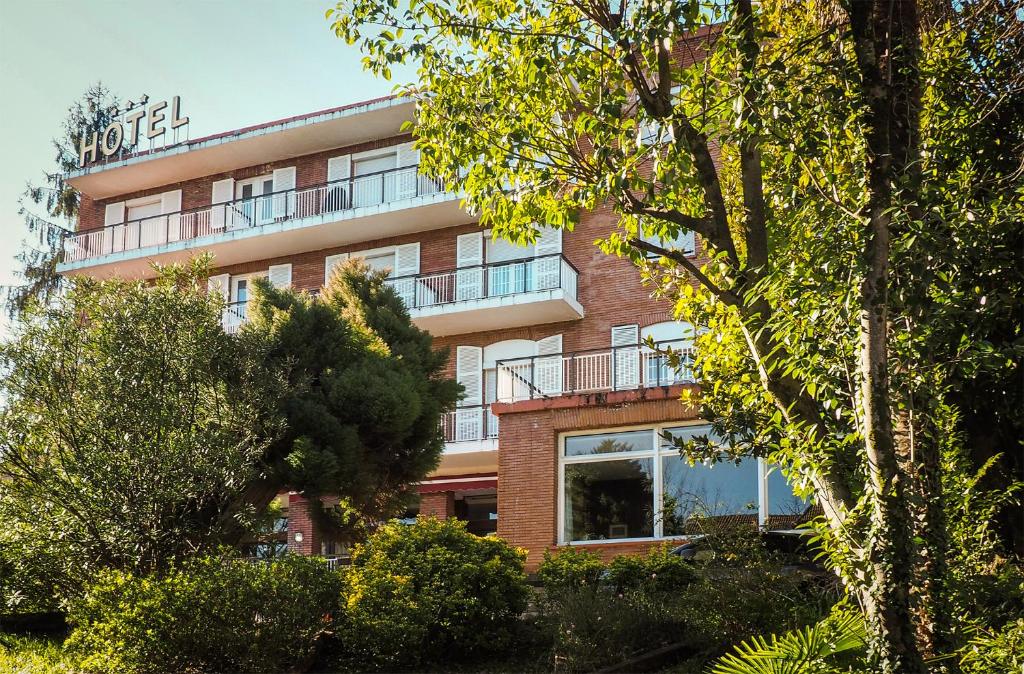
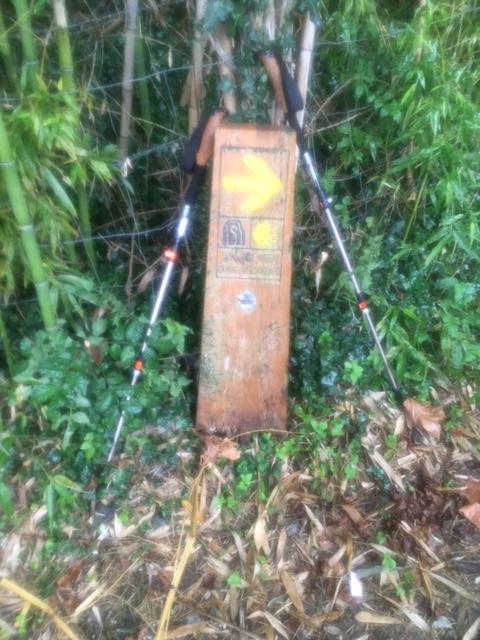
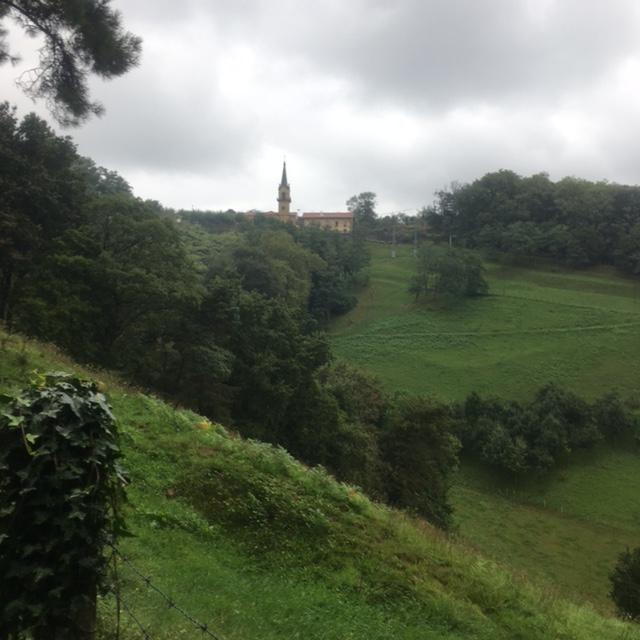
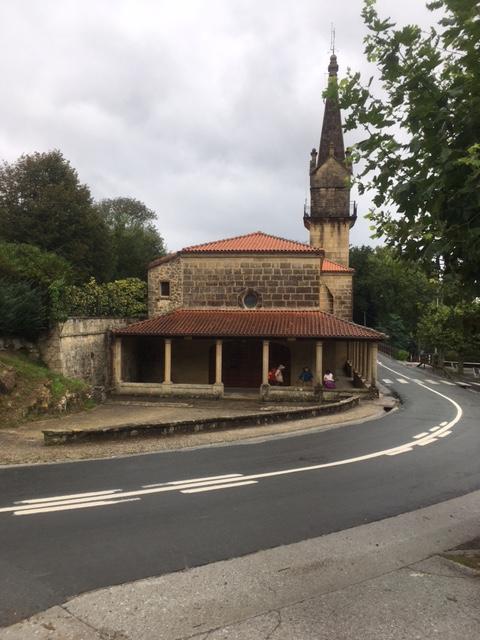
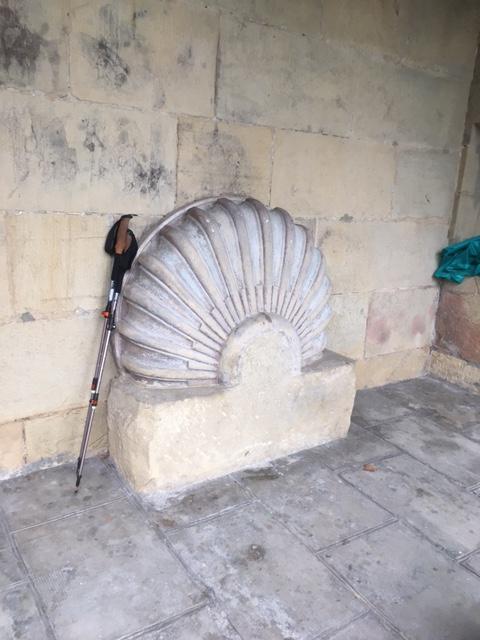
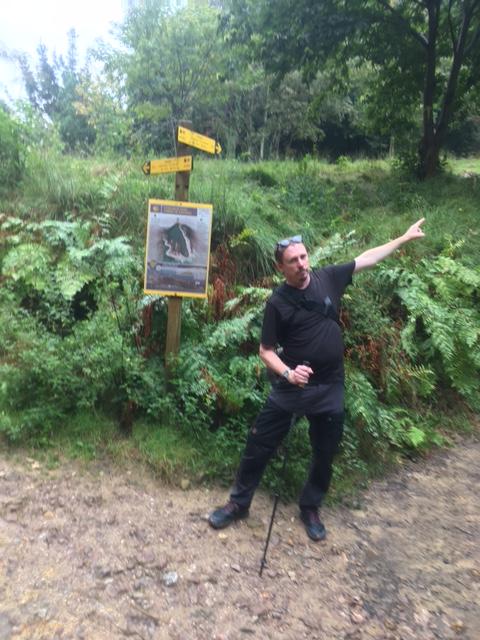
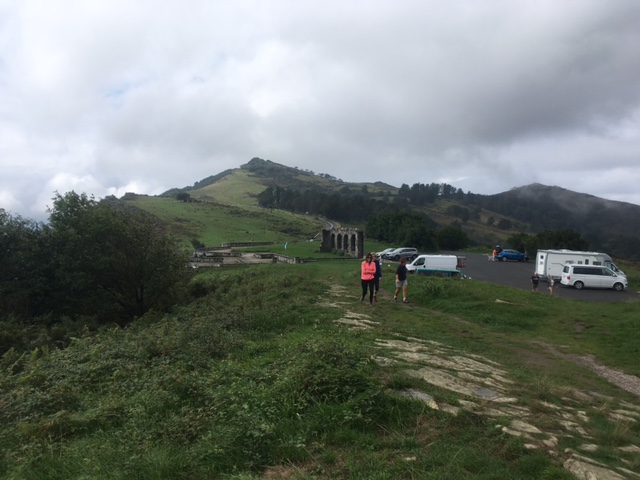
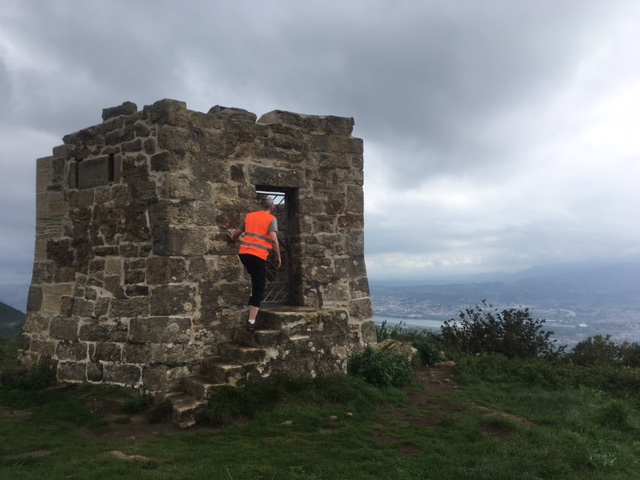
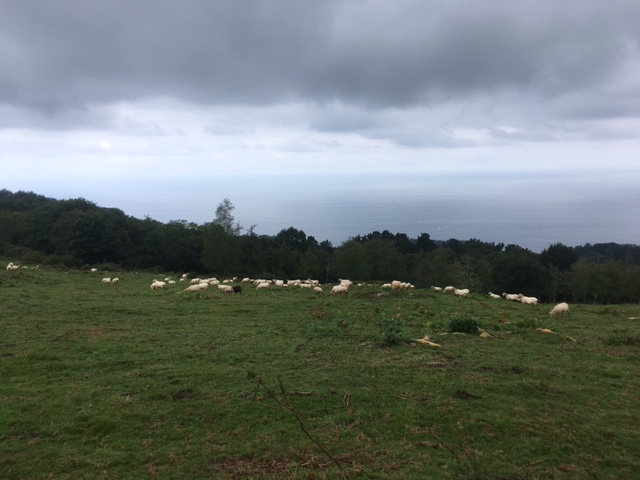
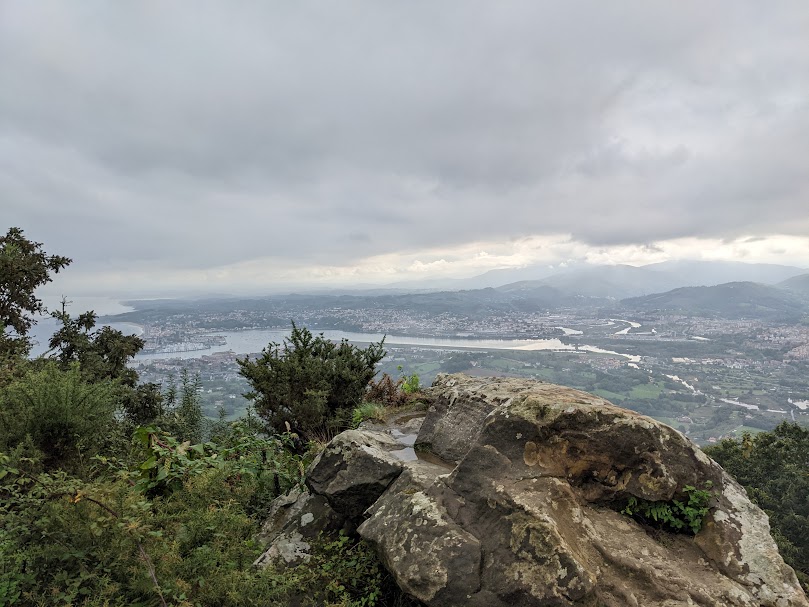

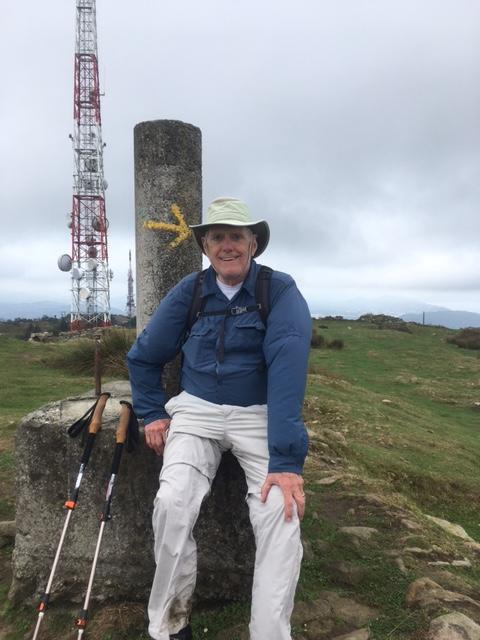
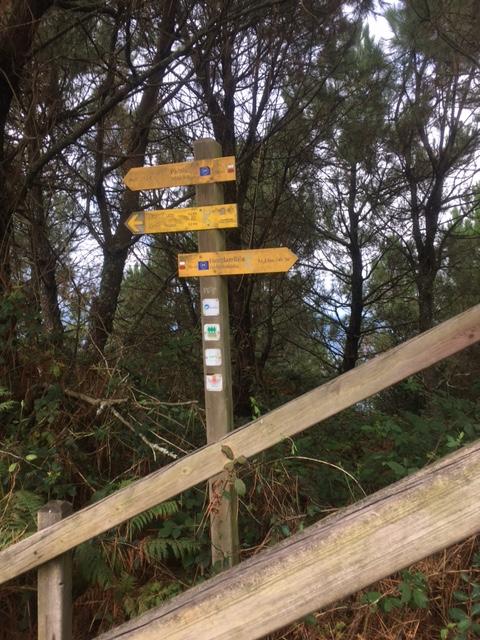
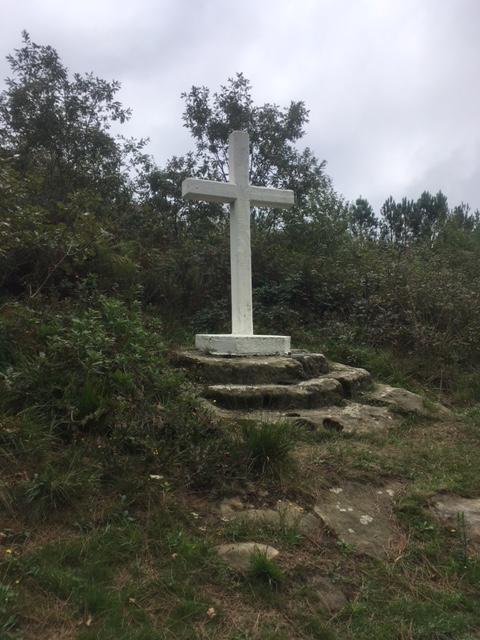
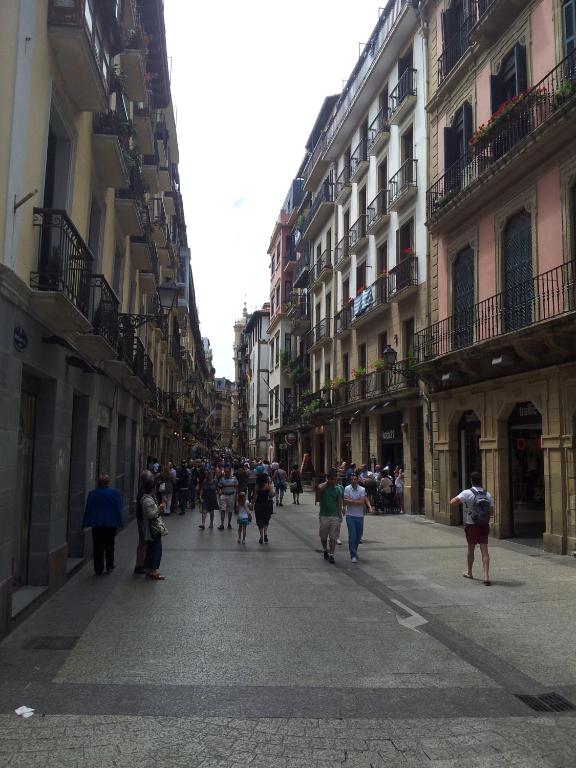
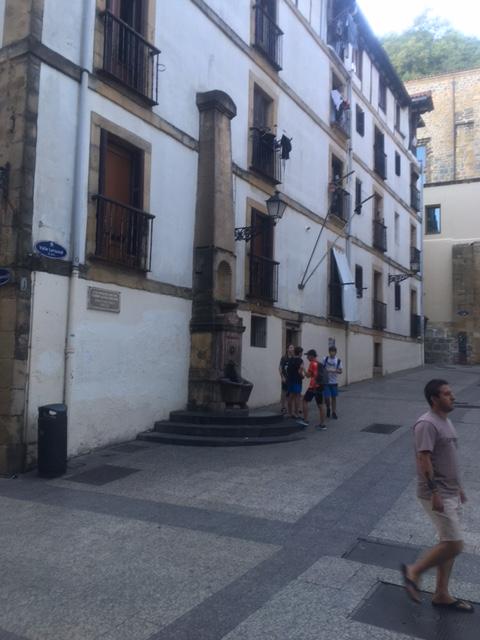
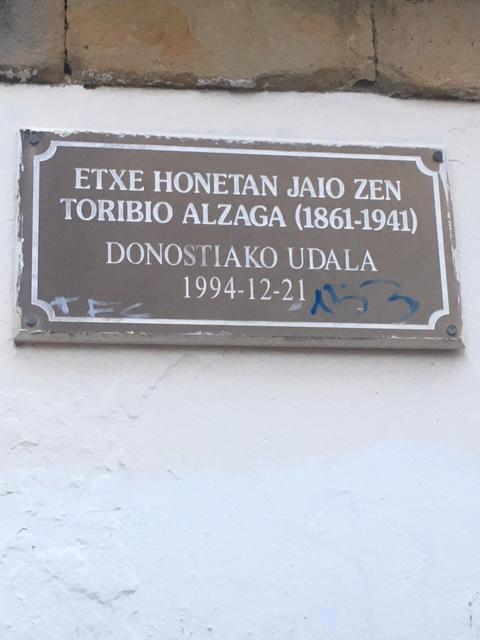
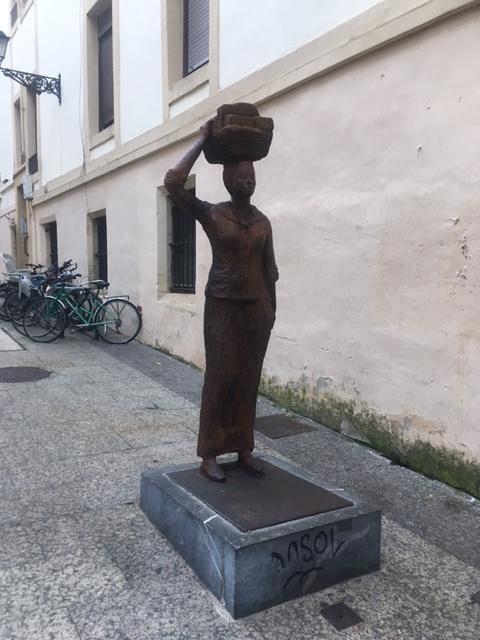


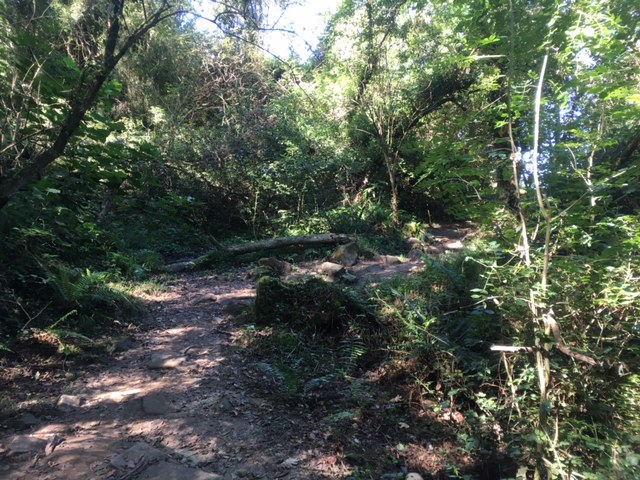
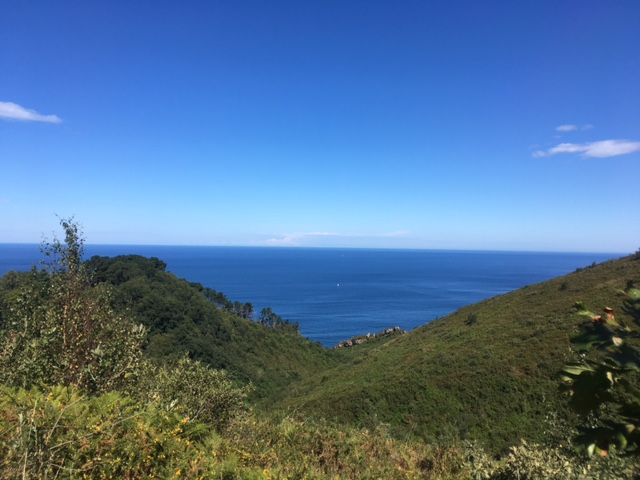


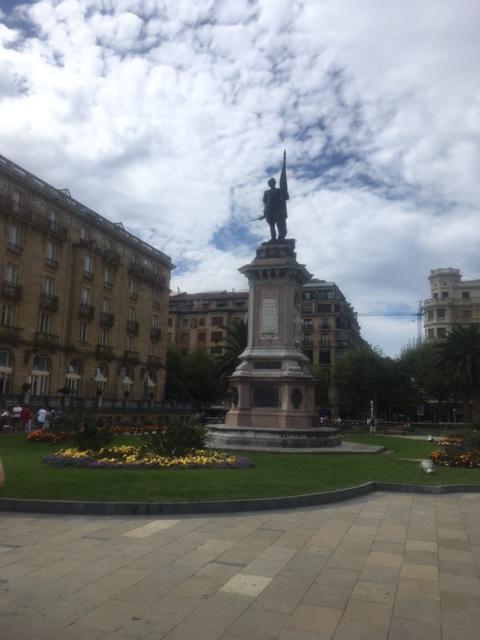
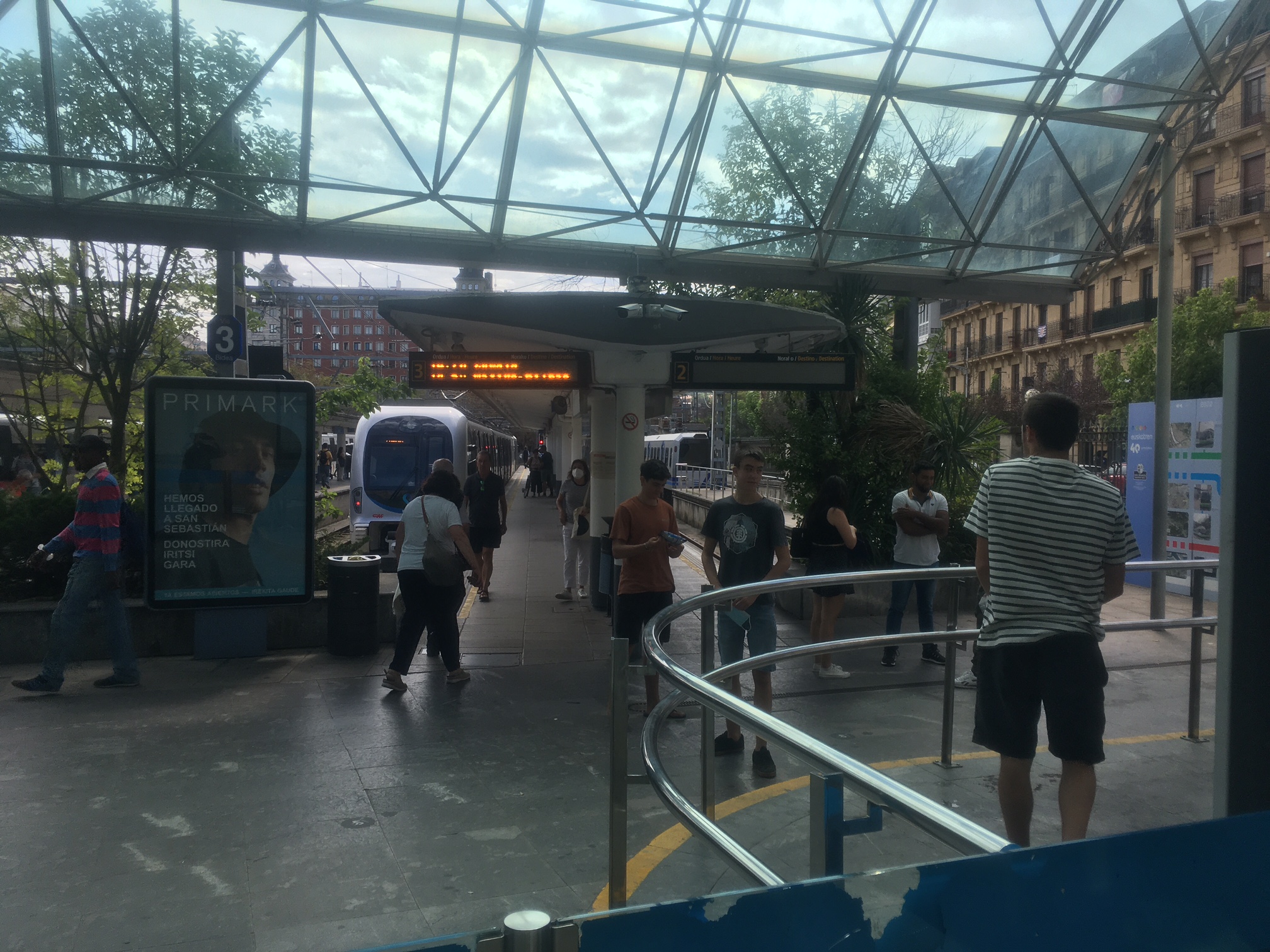


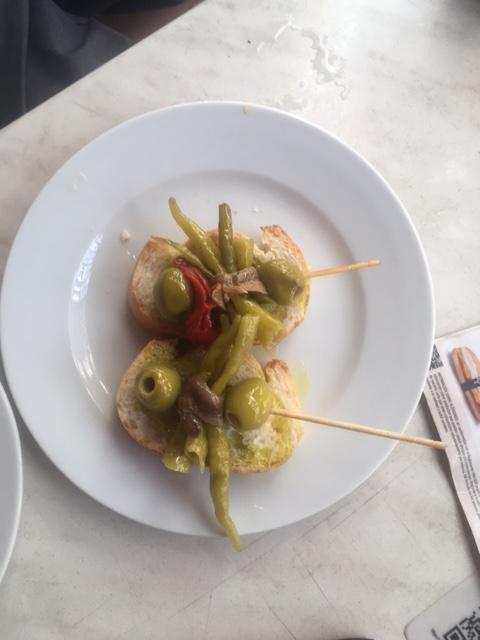


![IMG_2625[1]](https://fogcityboy.net/wp-content/uploads/2023/01/img_26251.jpg)

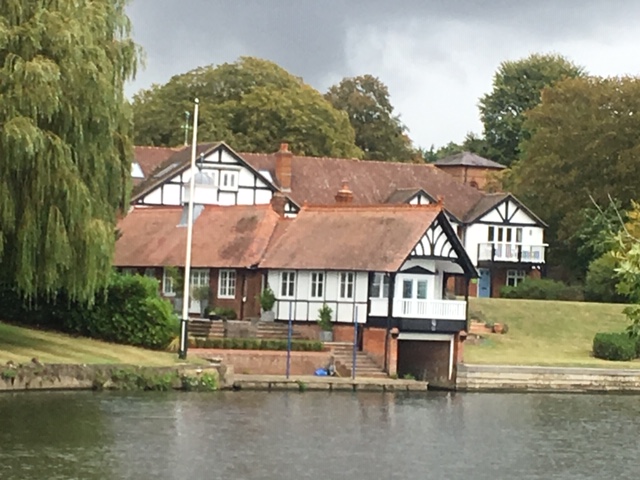




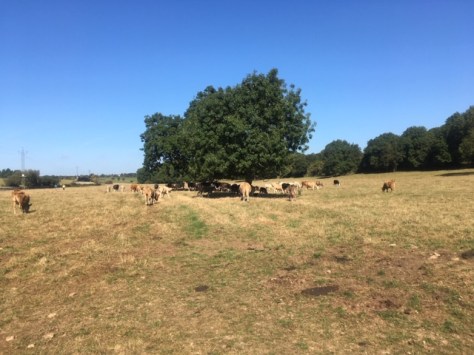


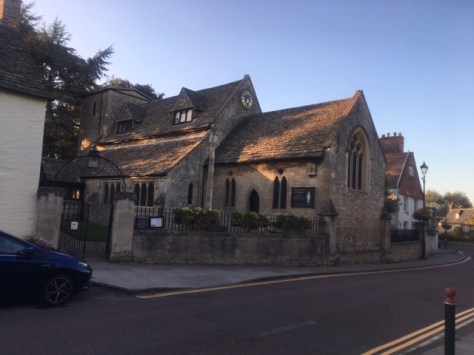

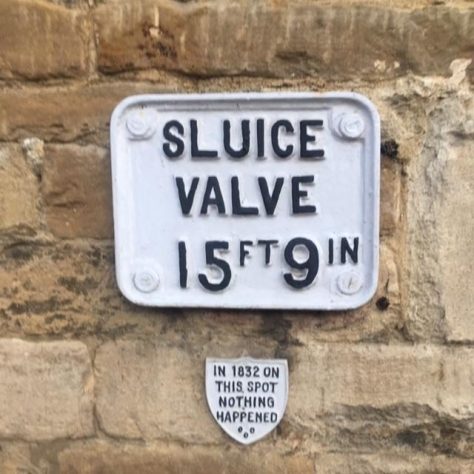
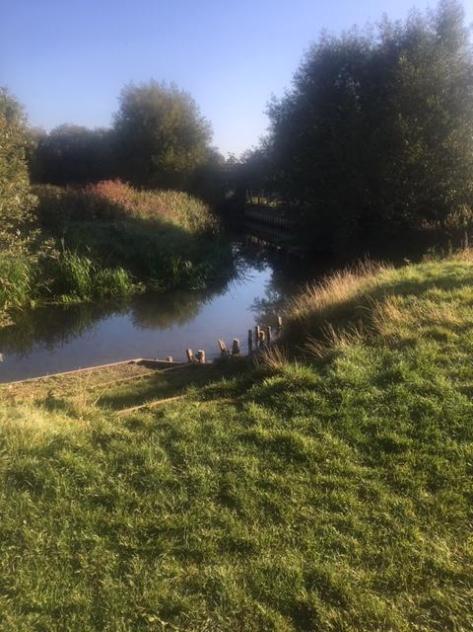
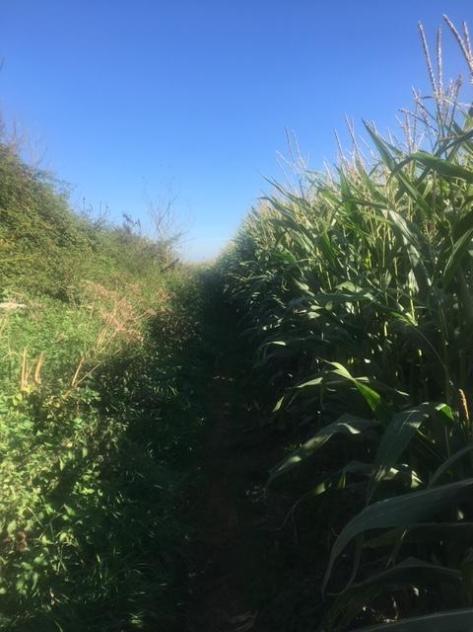


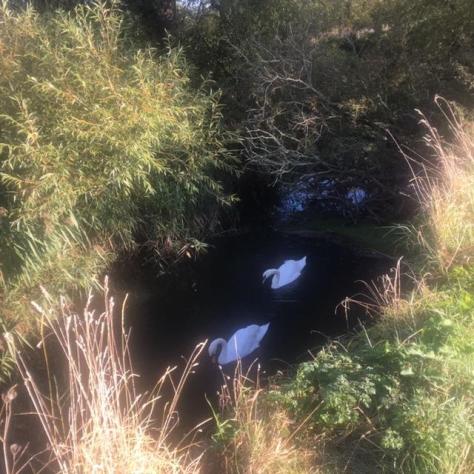
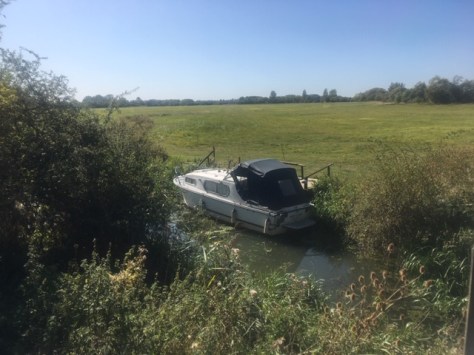
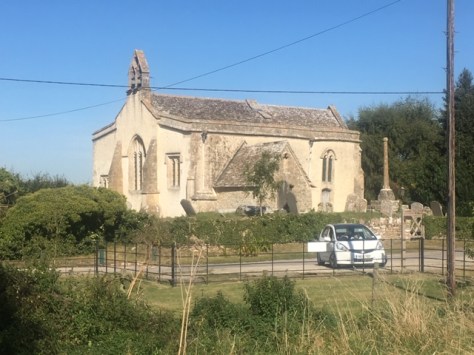
 Flag of Oxfordshire
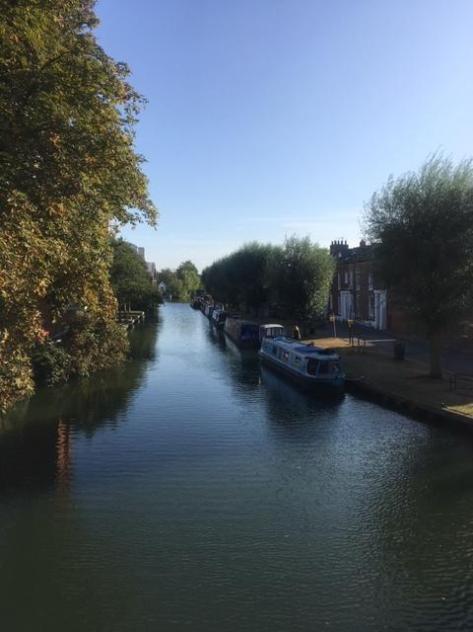


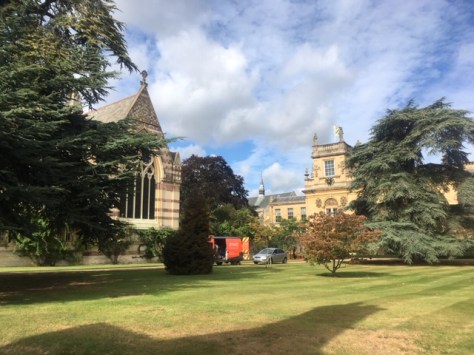
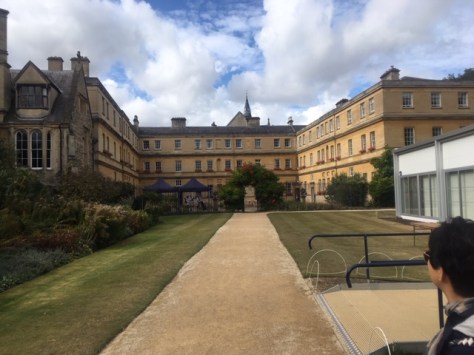


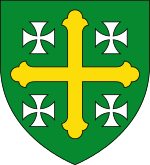

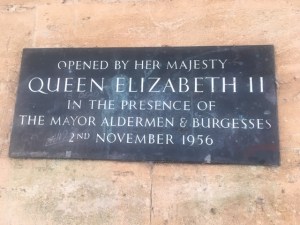
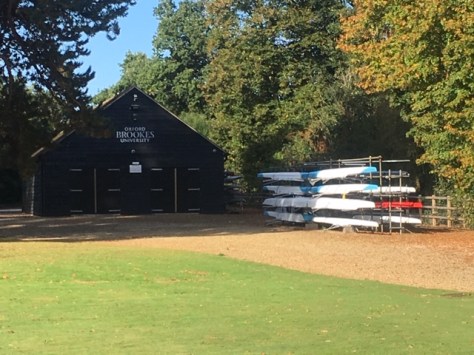
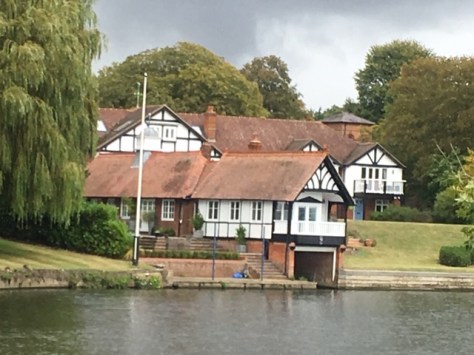
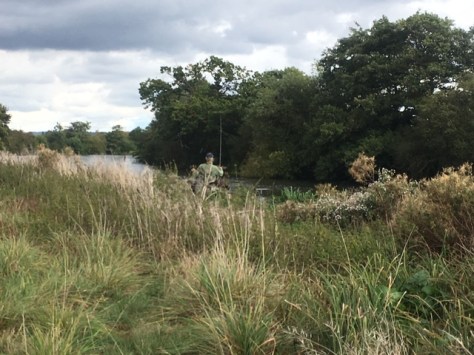


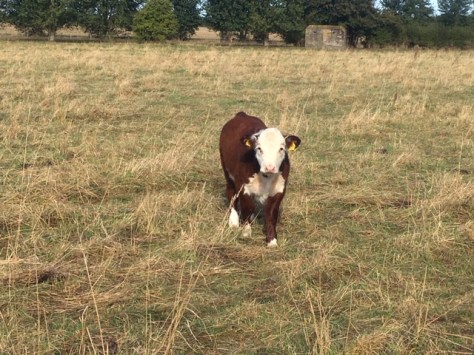




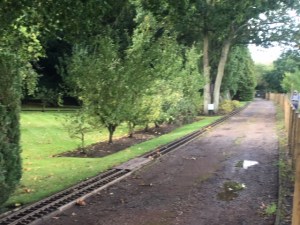


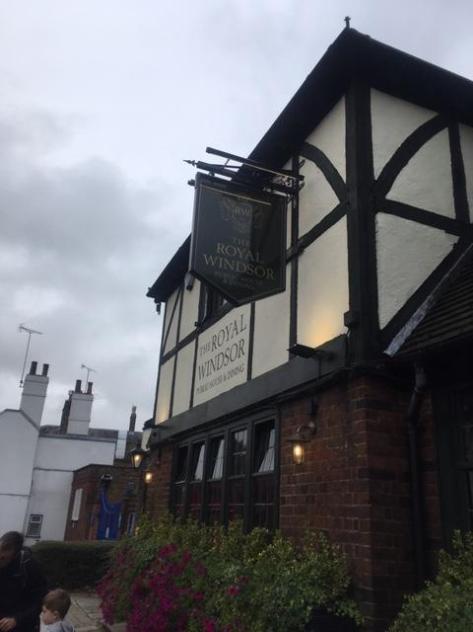

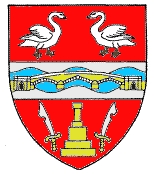

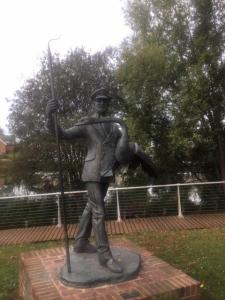

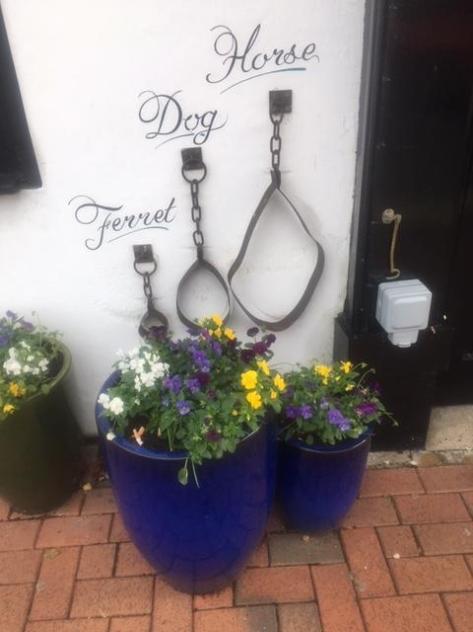

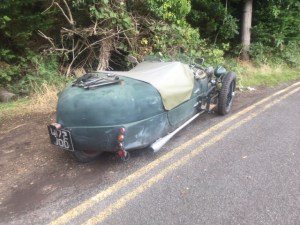
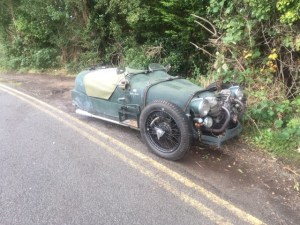
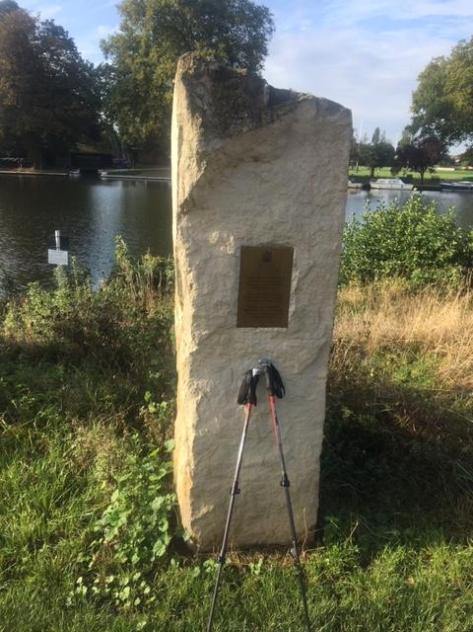

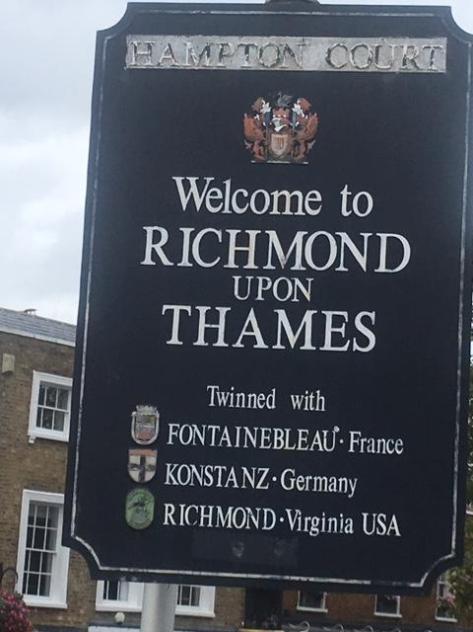


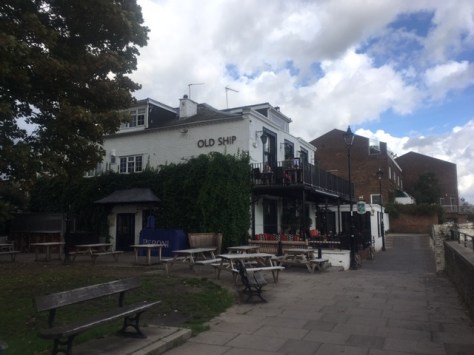

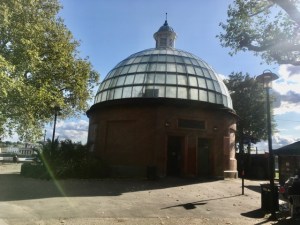
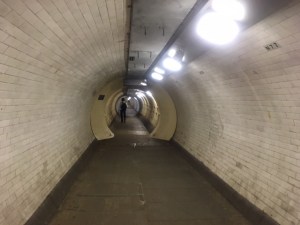


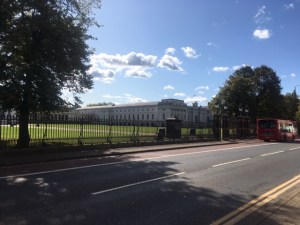

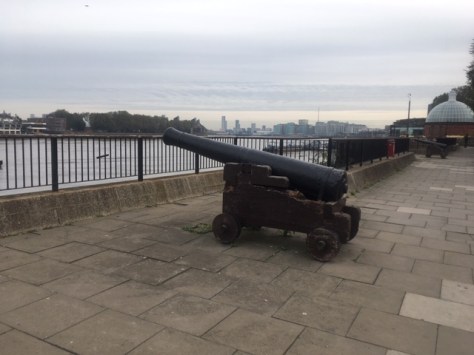


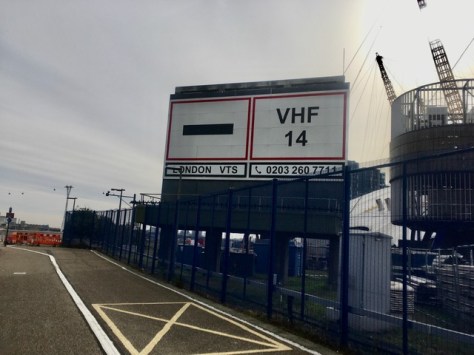
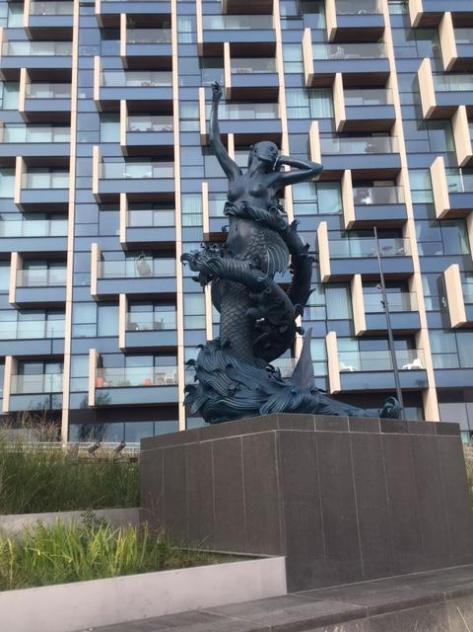


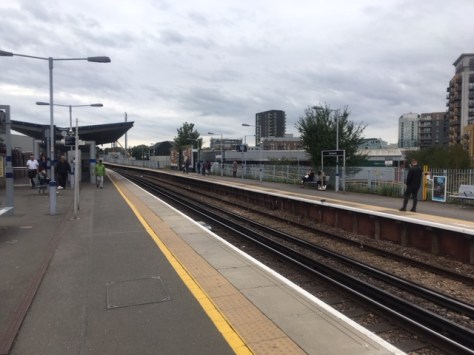
 If you would like to receive future postings as they are published, click on the “Follow” button below.

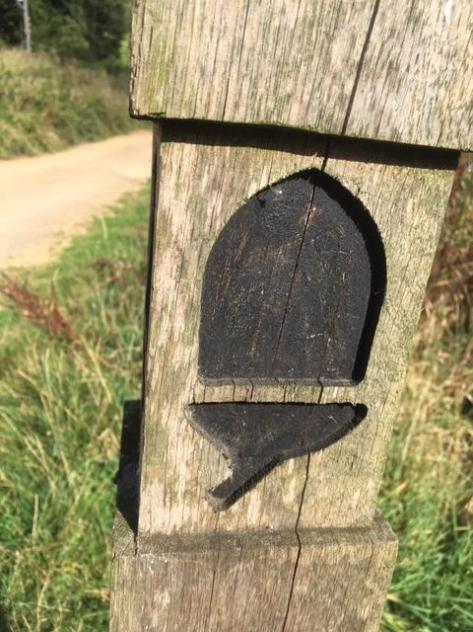





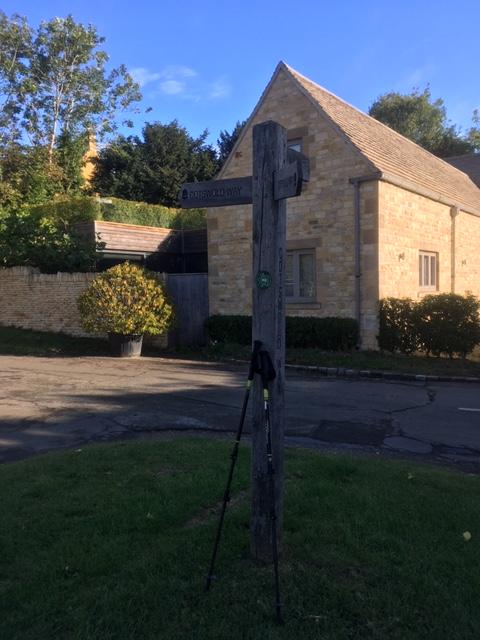

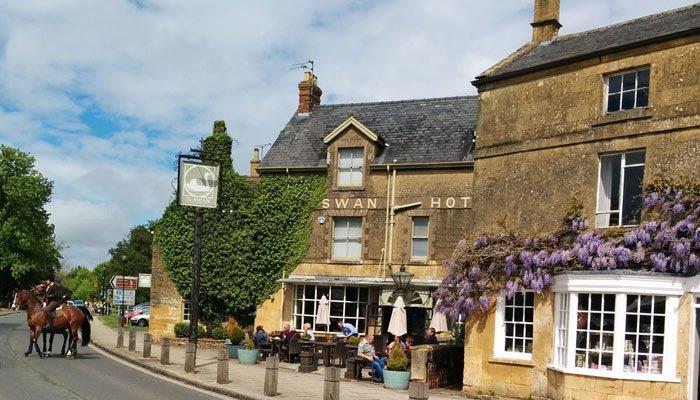

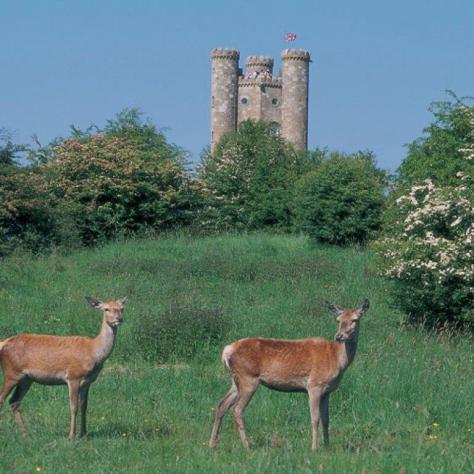


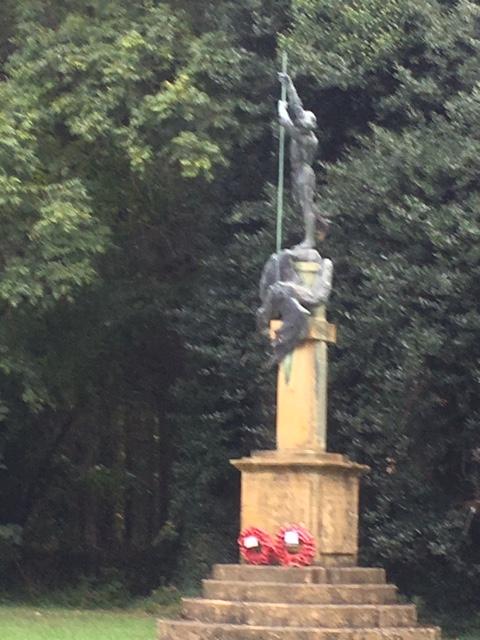


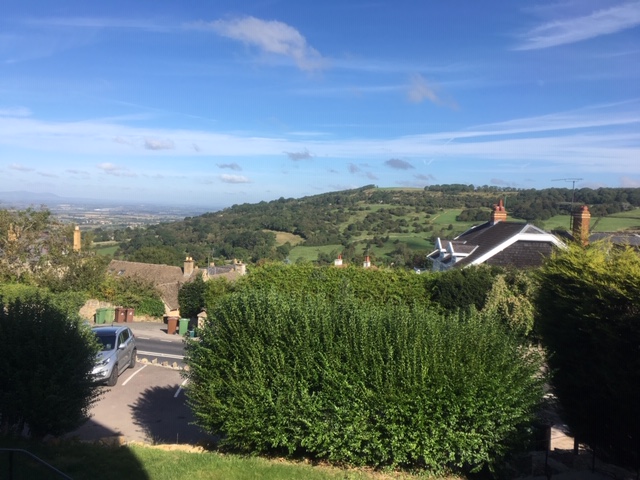


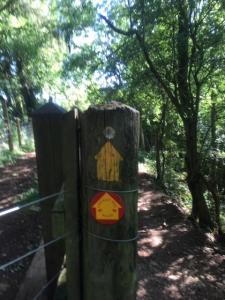
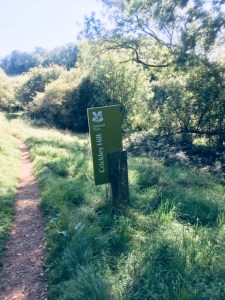


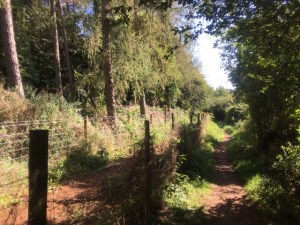


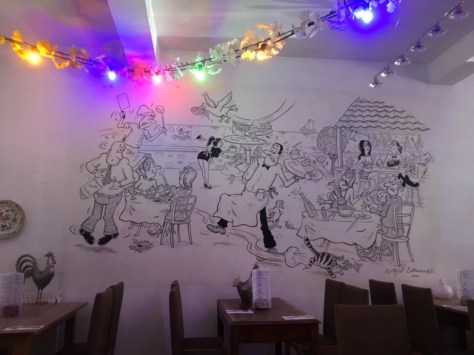


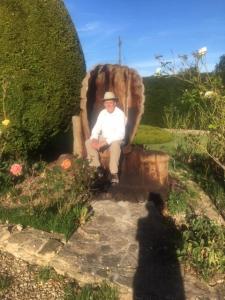
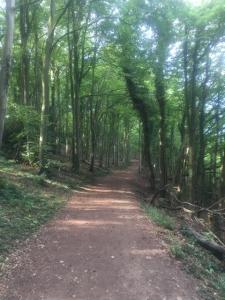

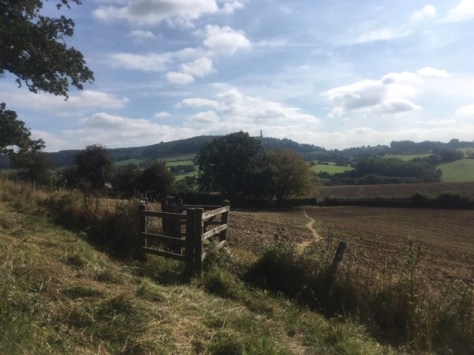
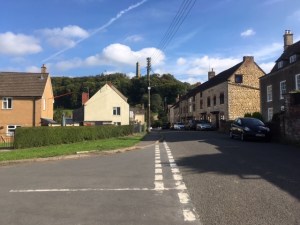
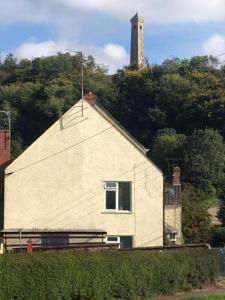
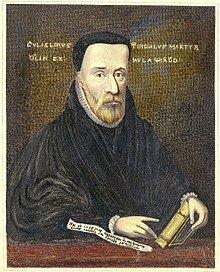


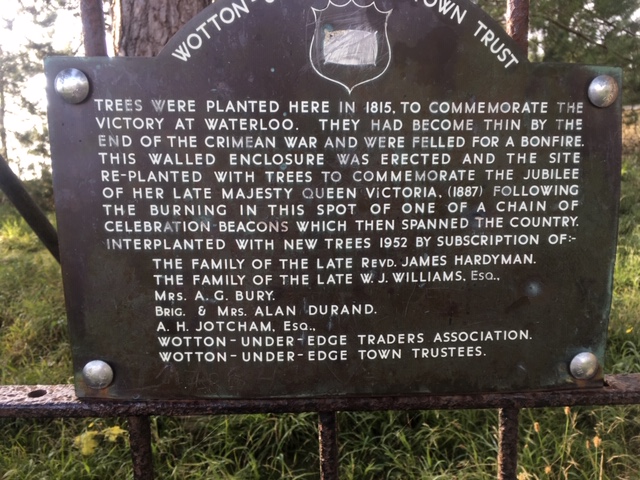


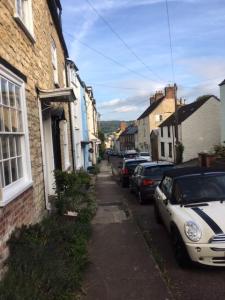


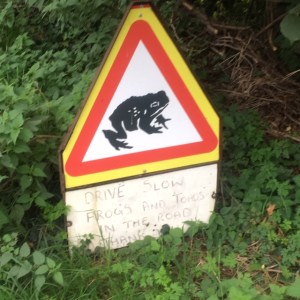
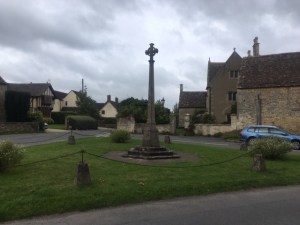
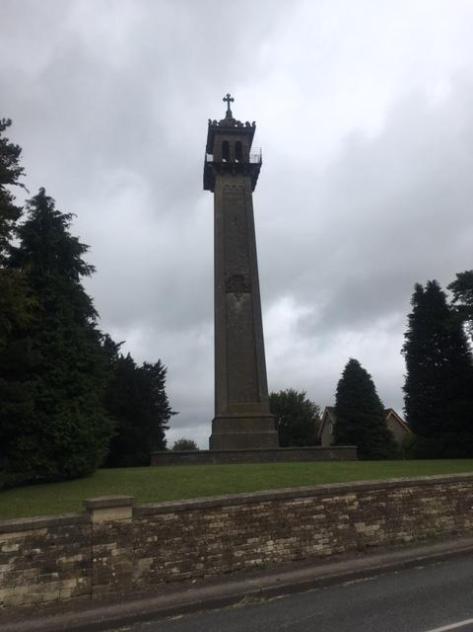
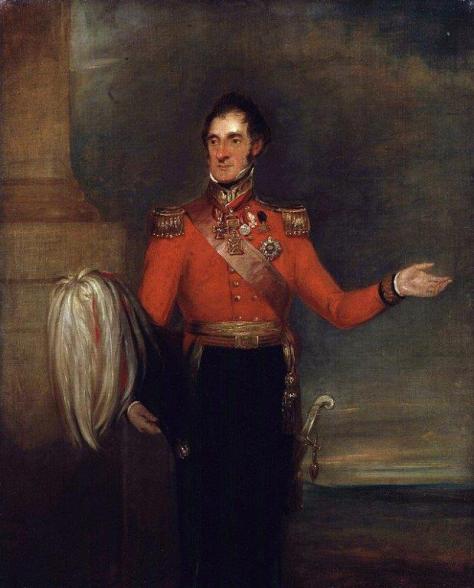


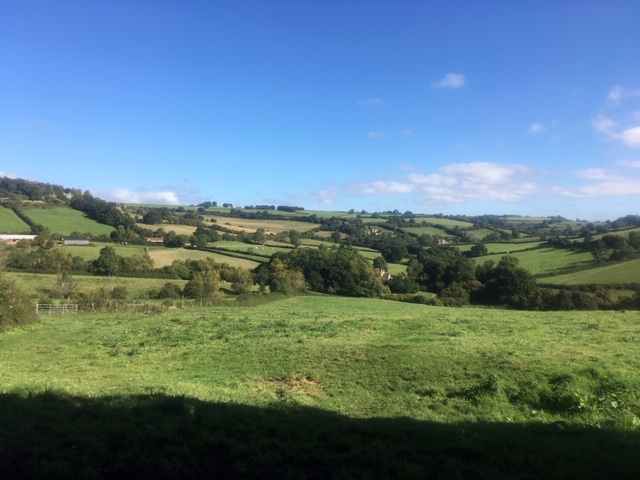
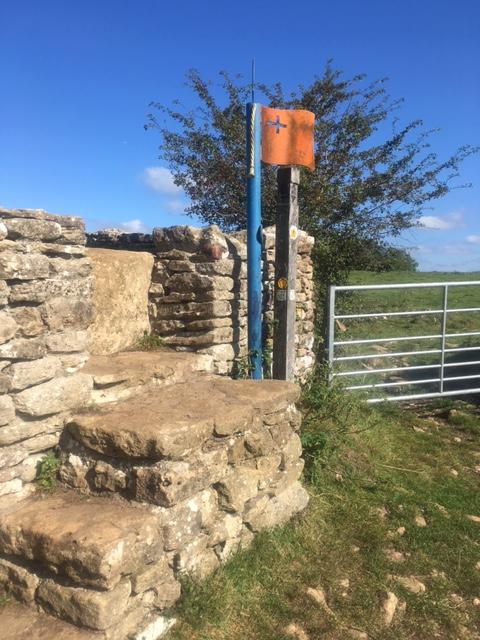

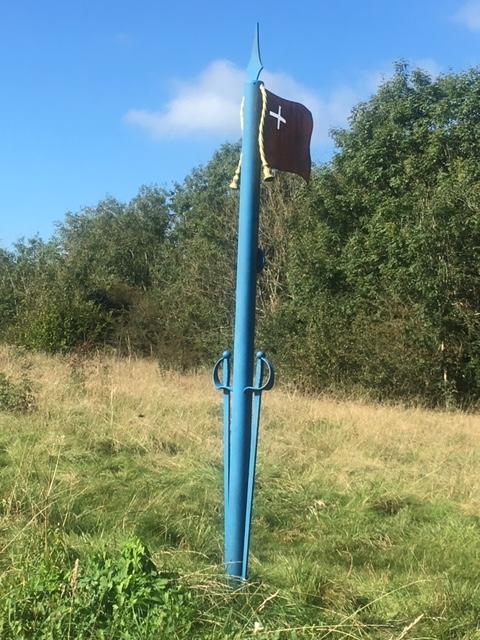
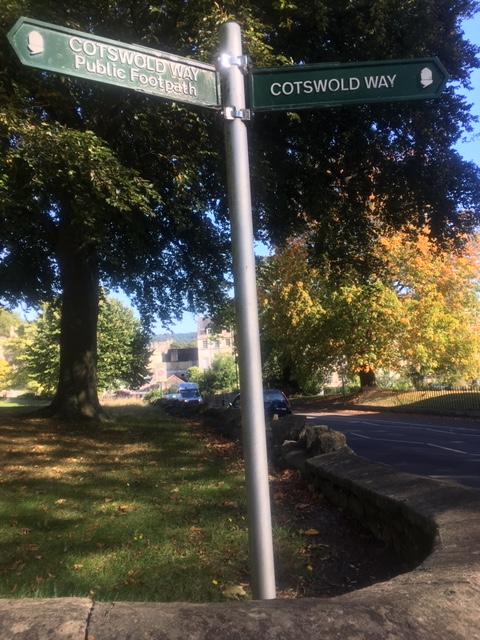

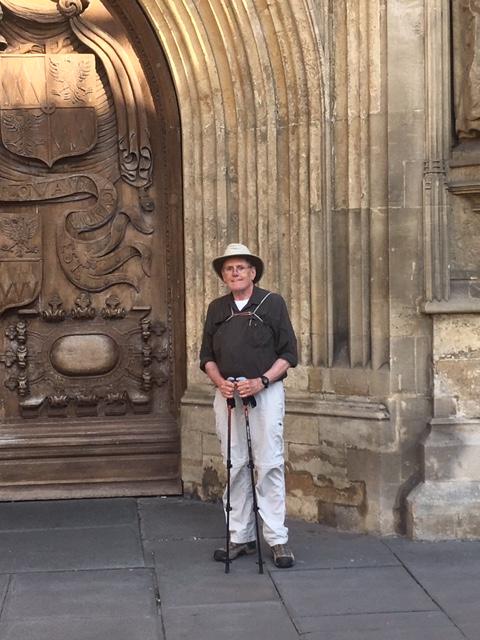
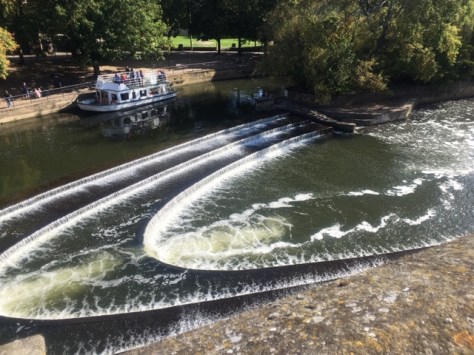
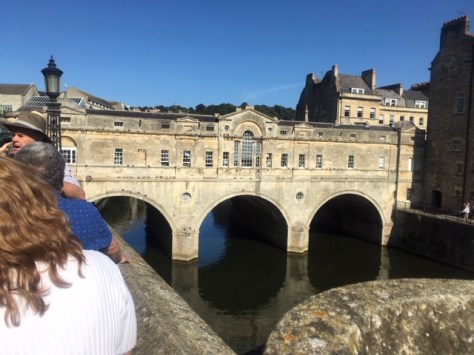

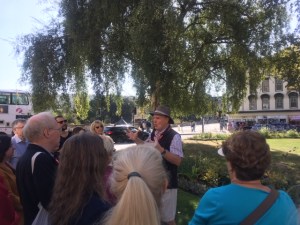

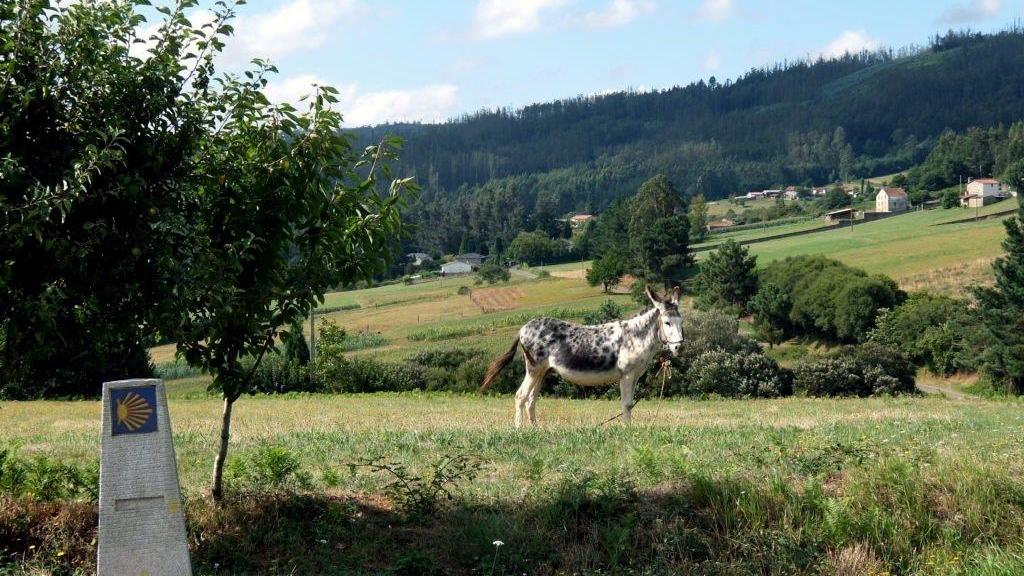


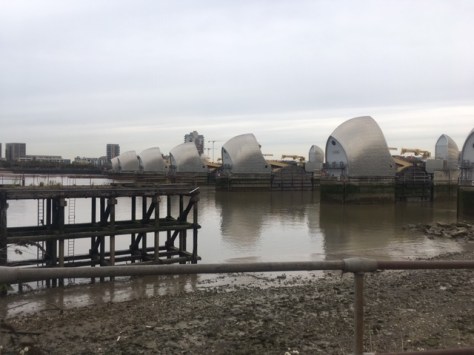
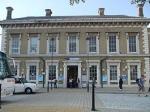

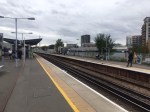
 As charming as the English countryside is, and as cheery as the English pubs are, the Fog City Boy was pleased to be back in Spain with a Camino walk awaiting him the next day.
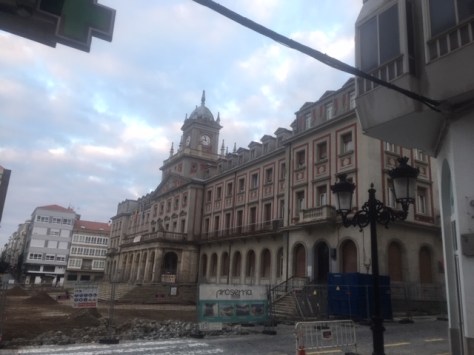
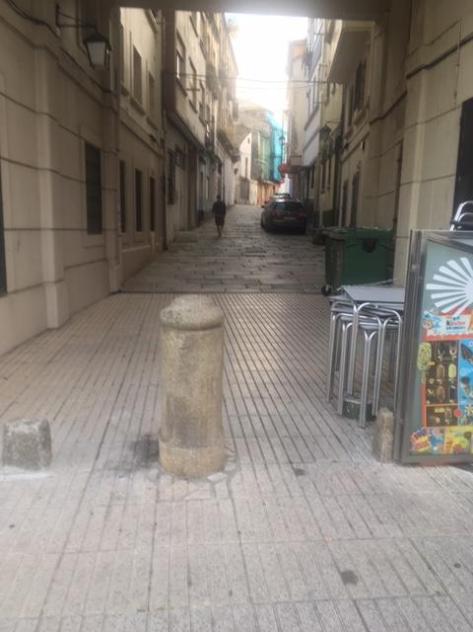



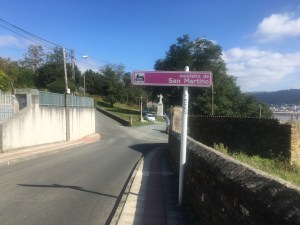
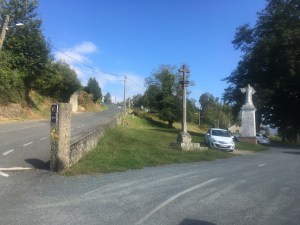

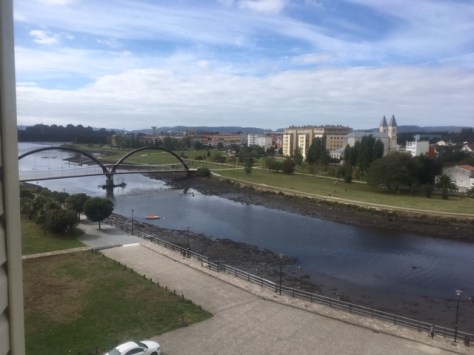
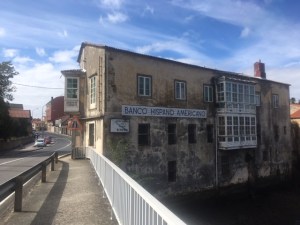

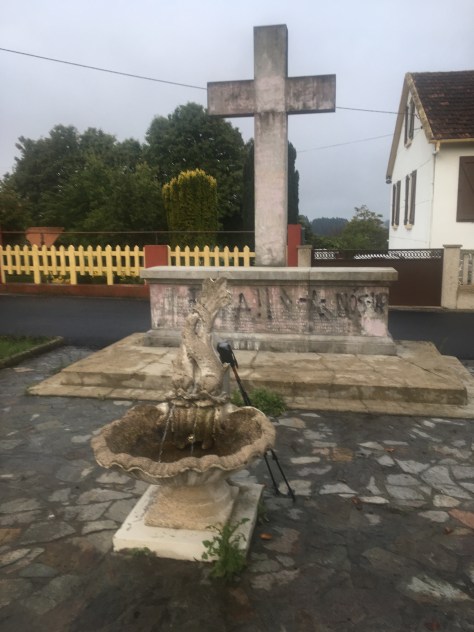
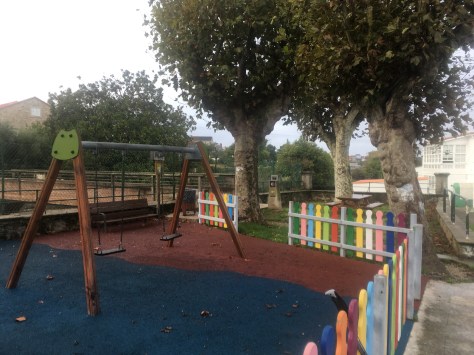

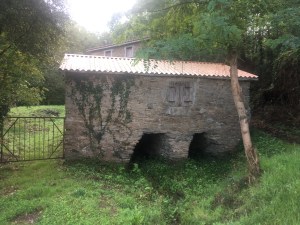
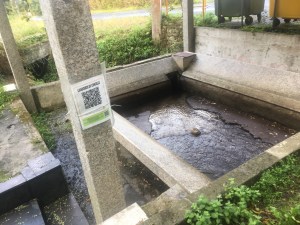

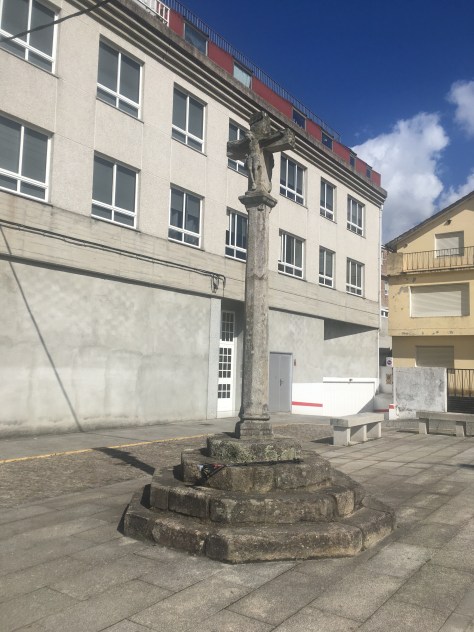
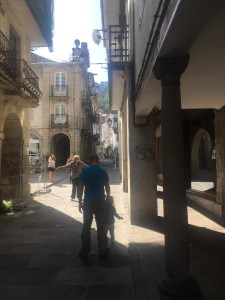


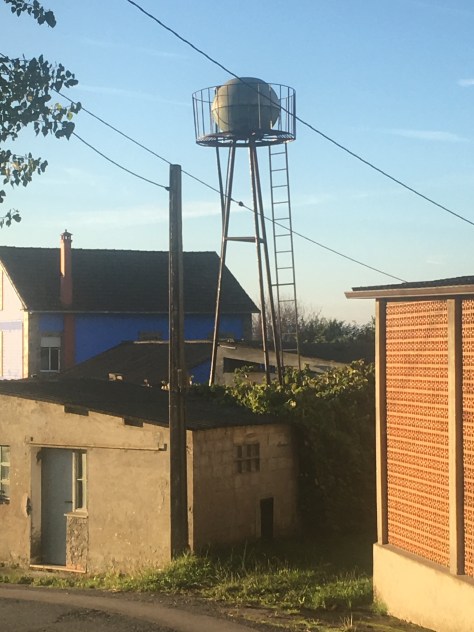


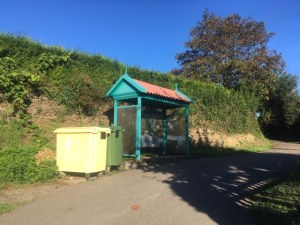


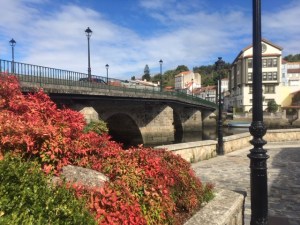

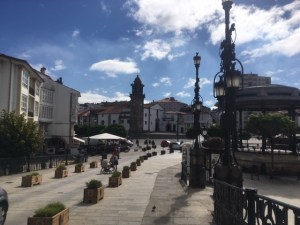


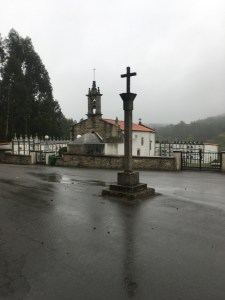


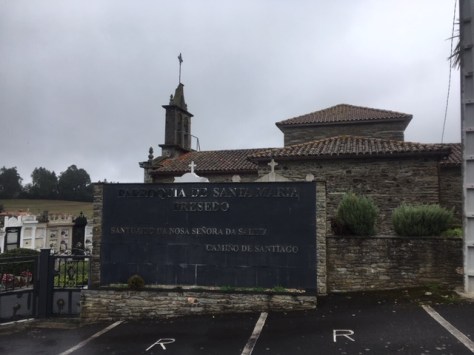

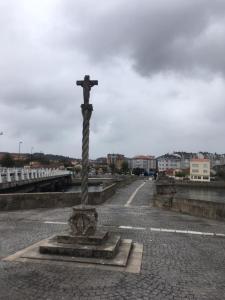

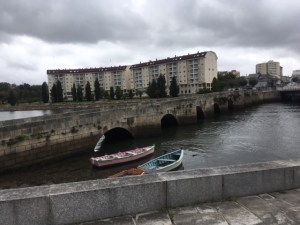
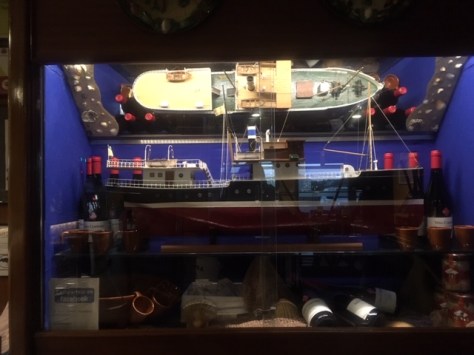


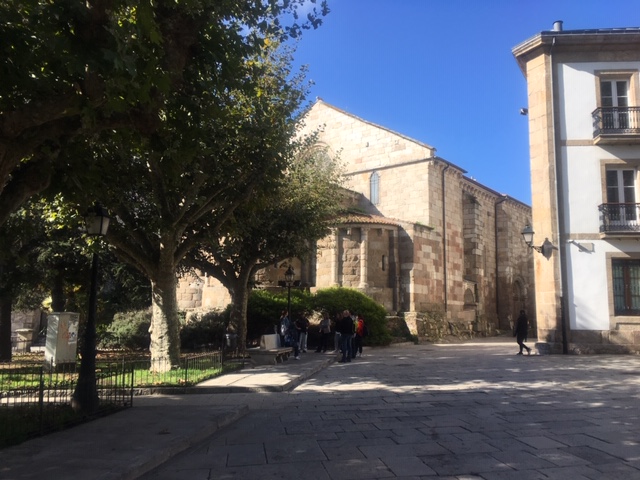


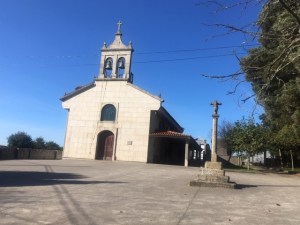
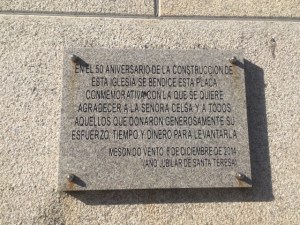

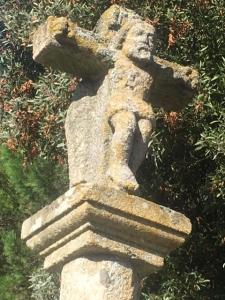

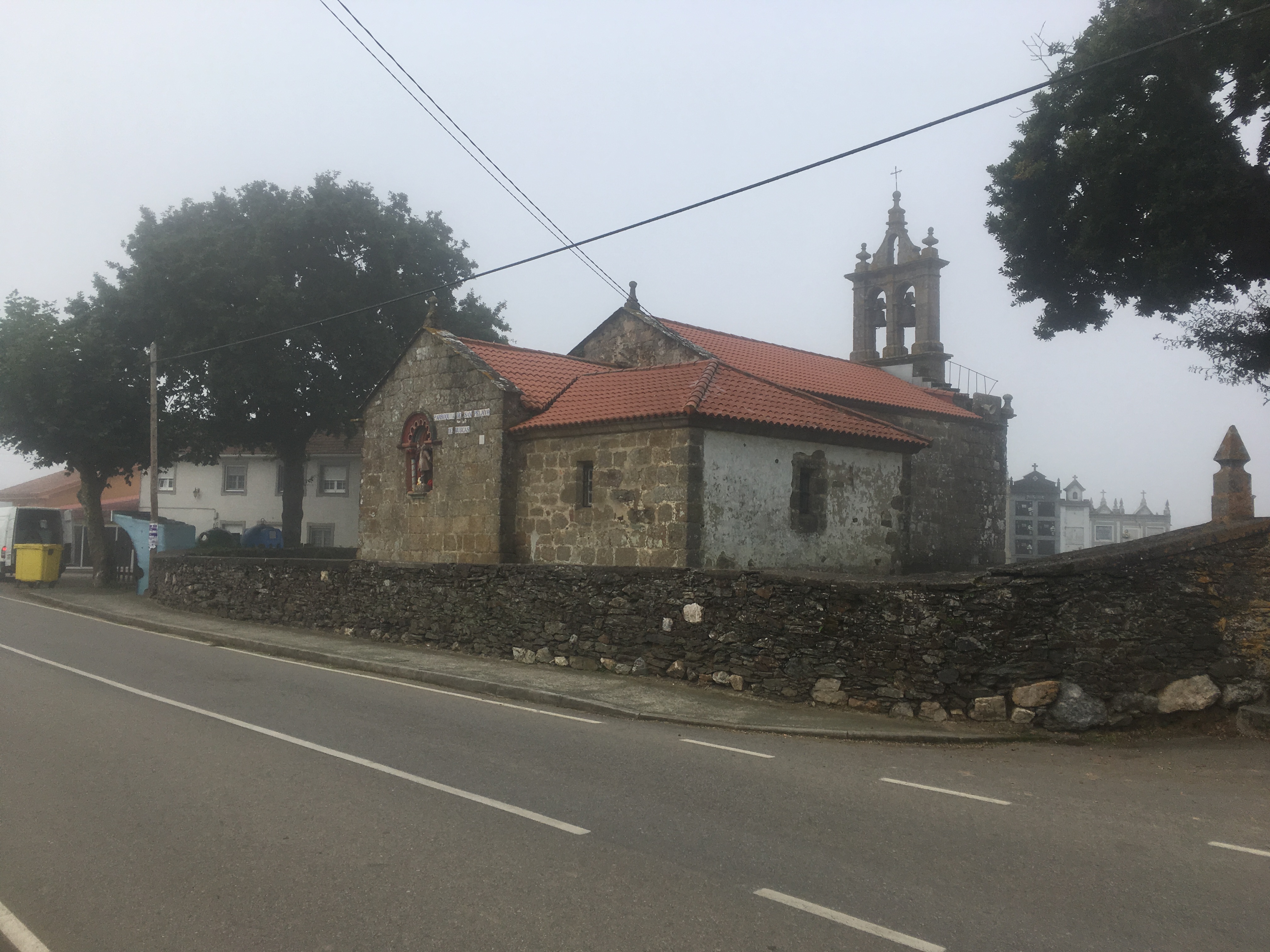
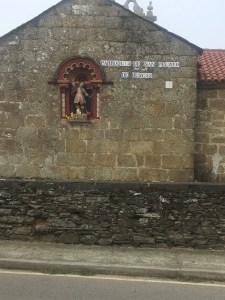
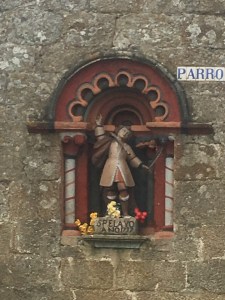


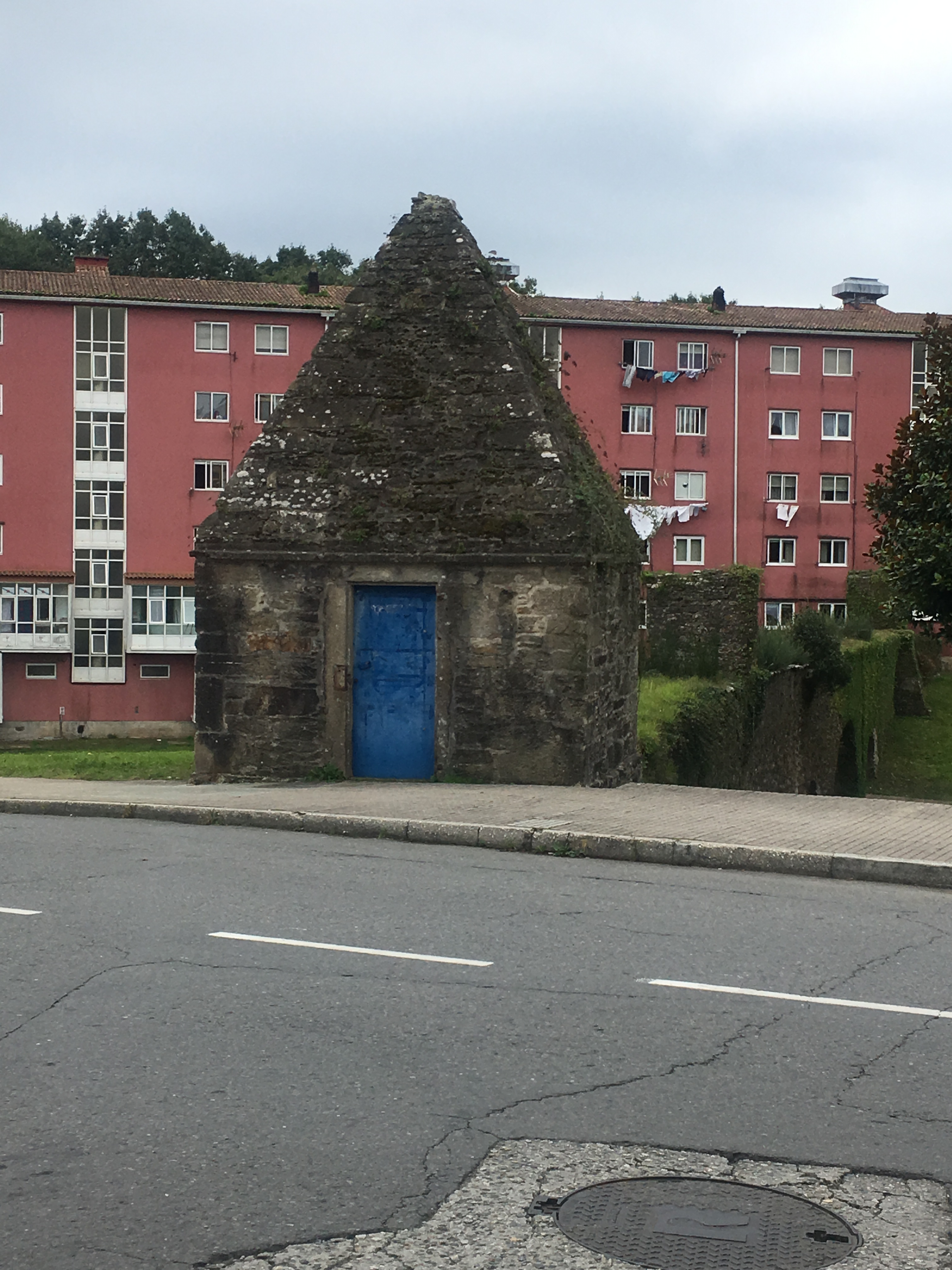

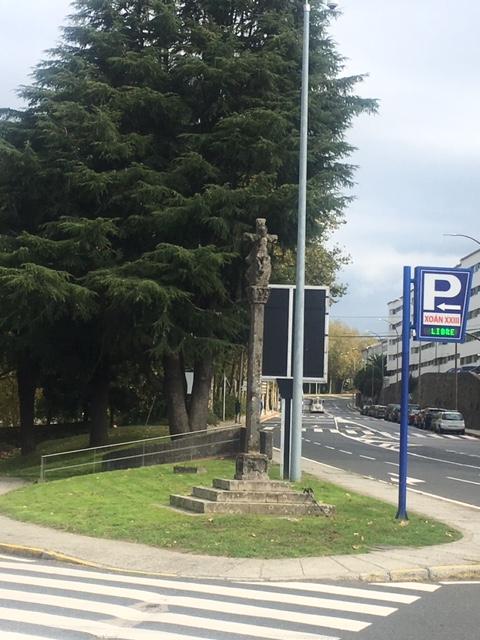


 Sadly, the festive atmosphere does not extend to all on the approaches to the Plaza and to the Cathedral. There have been alms seekers each time I have visited Santiago. Generally they are quite passive, but occasionally they walk from cafe to cafe asking for money. I prefer to give them food rather than money.

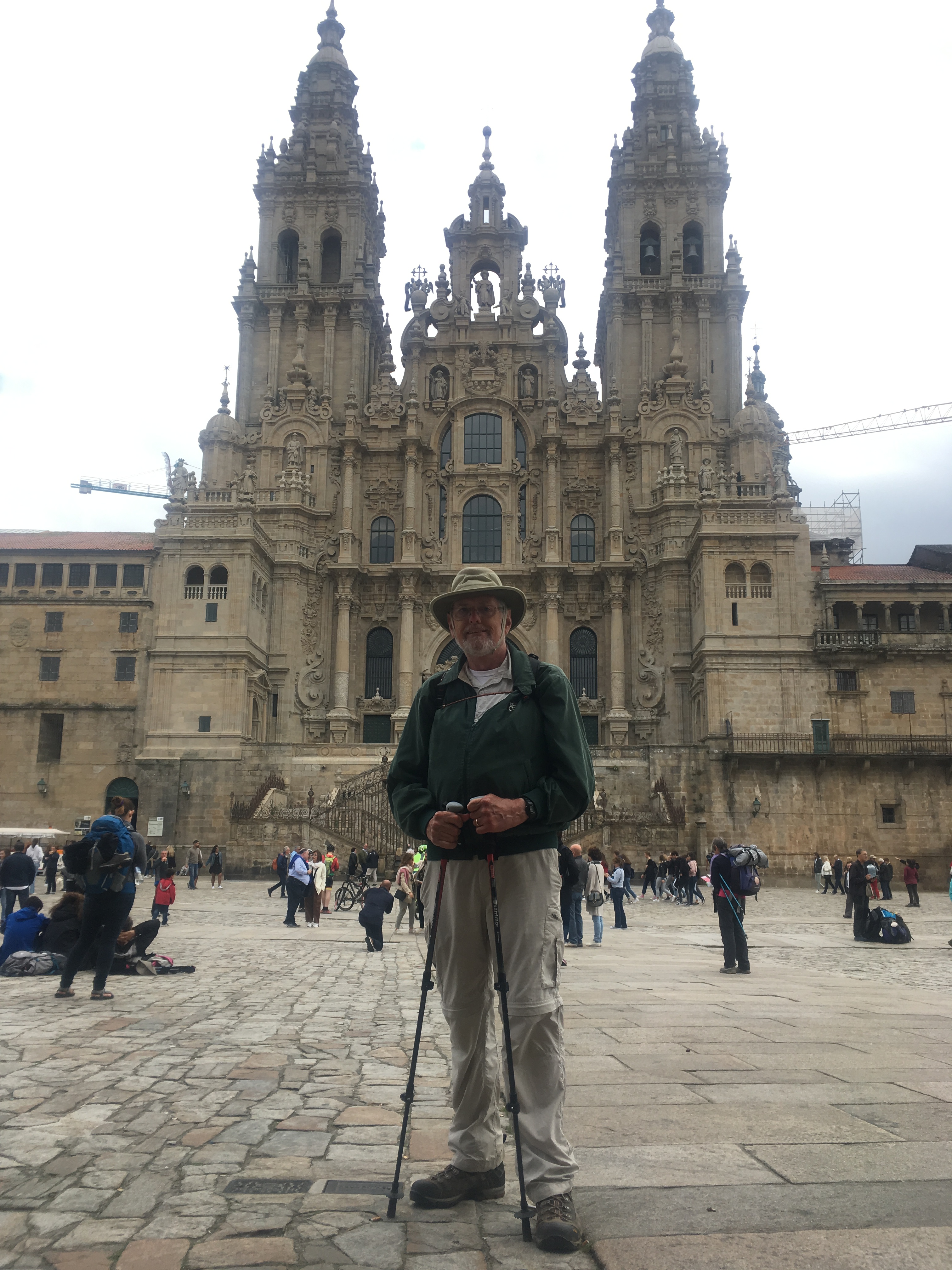

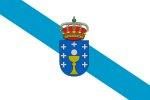

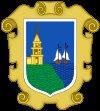
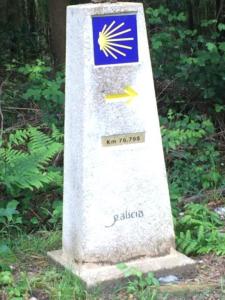
 Shortly thereafter, The Way to Finesterre passes by the home of a local supporter of the Camino who made known his or her affection for peregrinos passing by.

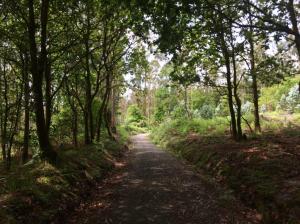

 . . . though the gracious, unfinished residence casts an emotional shadow.
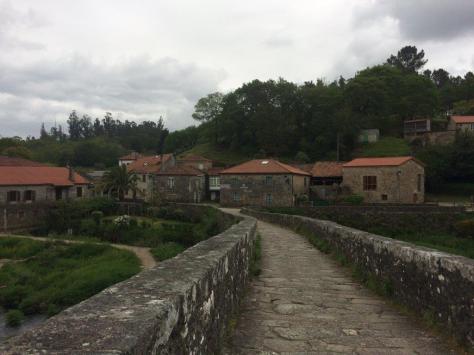

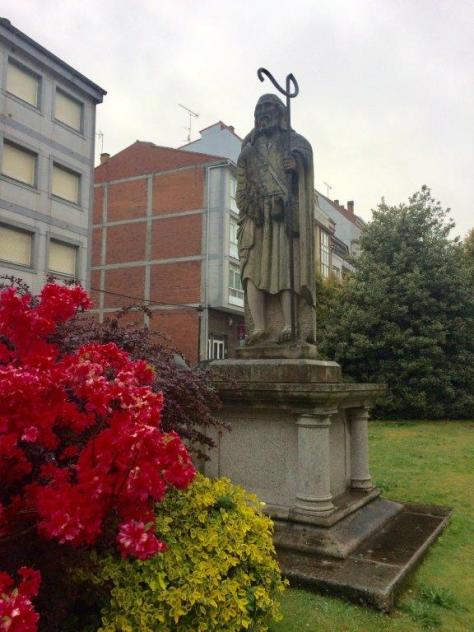
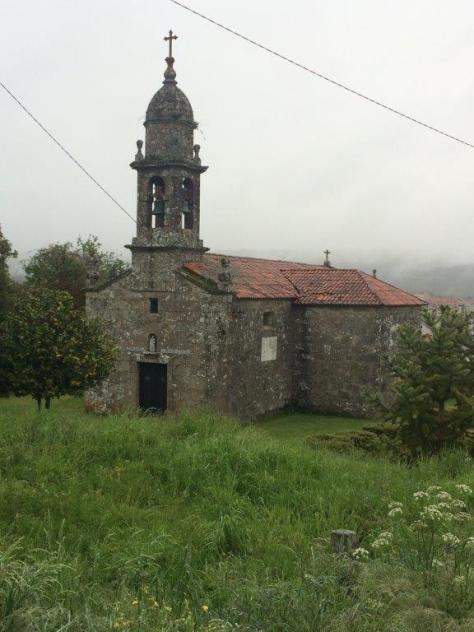


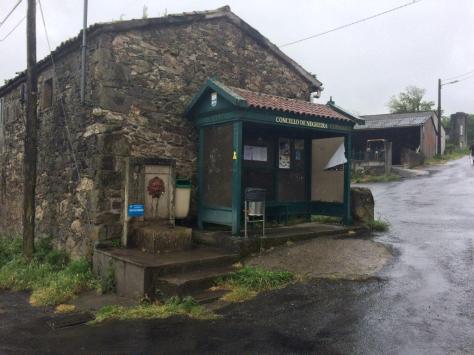


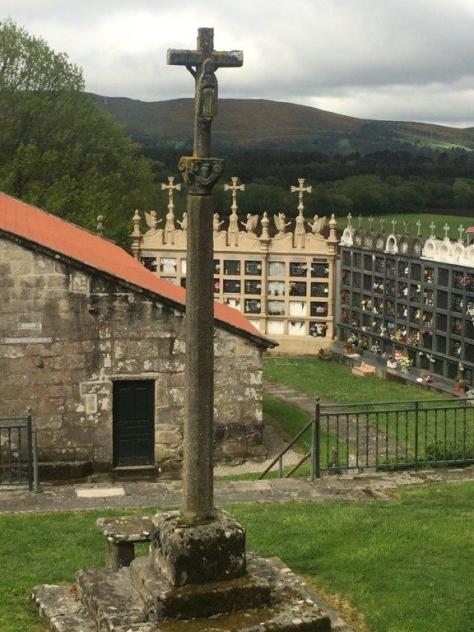
 My destination for the day was Casa Loncho a casa rural in Olveiroa. I arrived in time for a late lunch, and the opportunity to use Casa Loncho’s laundry facilities. The complex includes a large private albergue and a very large and well preserved horreo, for which the albergue is named.
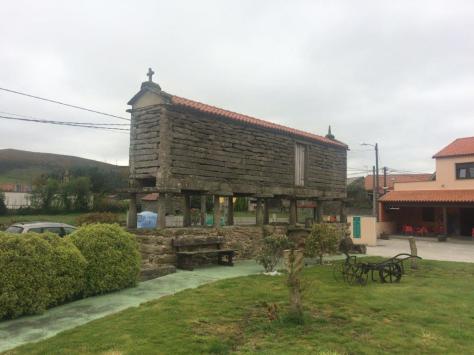


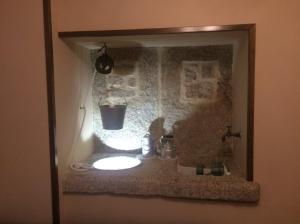

 And a long line of windmills . . .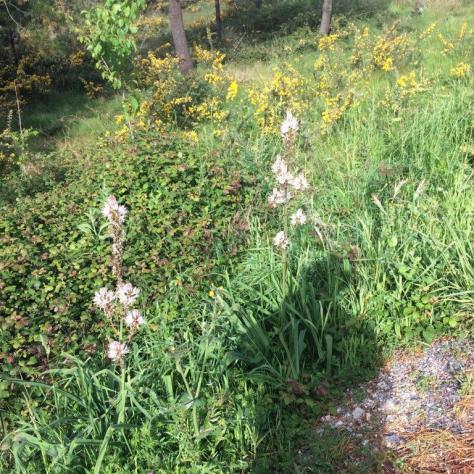
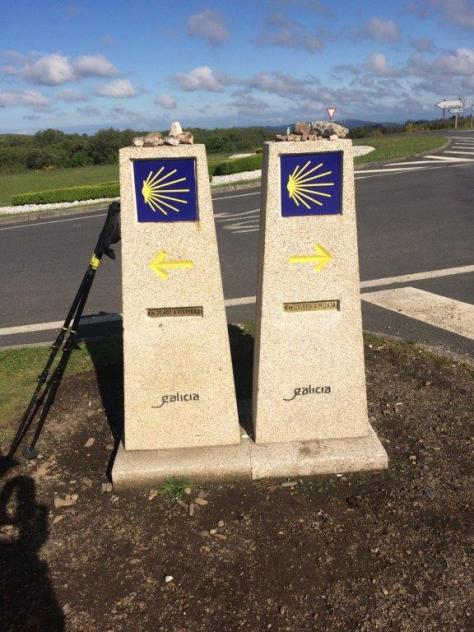 Here’s the detail showing distances and destinations . . .
 Many pilgrims choose at this point to head first to Finisterre and then continue on to Muxia, possibly returning to this point to complete the circuit. Some keep on going and walk back to Santiago! My travel commitments did not permit me to walk the Muxia circuit on this transit. That leaves something for a future perigrenacion!
 The Camino Finisterre drops down from the ridge it traverses to the Marco do Couto, an 18th century wayside cross.
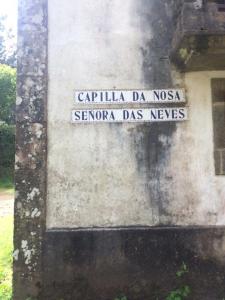

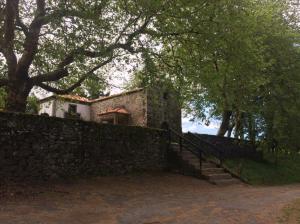

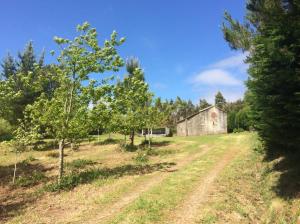
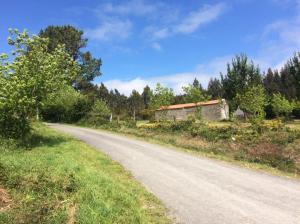
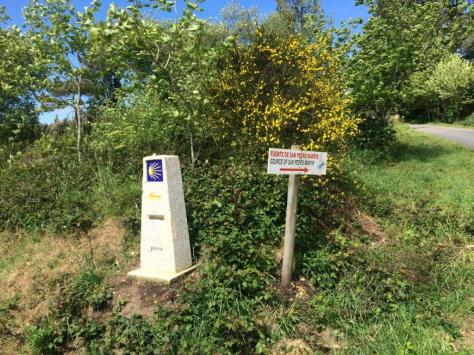 The Camino continues on.


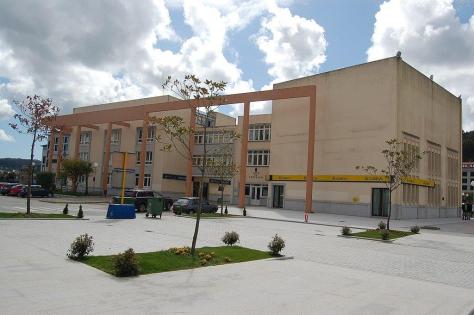
 The Camino Finisterre generally hugs the coast from Cee to Finisterre. (Spelled and pronounced in the Galician language as “Fisterre”.) It passes through the town of Corcubion.


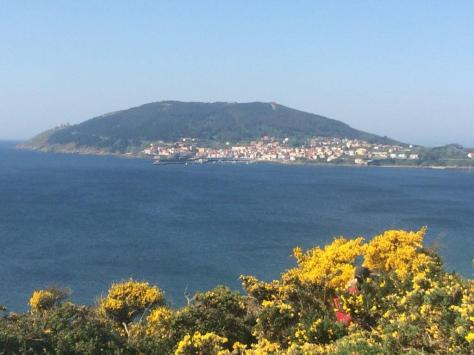
 About an hour later, I reached Finesterre. If you talk to a peregrino who has journeyed to Finesterre, you likely will come away believing that there is nothing there but the lighthouse, an albergue where you receive your Compostela, and other peregrinos.
 I located my lodging for the evening, sought and received directions to the lighthouse on Cabo Finisterre. In early afternoon, I began the final stage of this perigrenacion.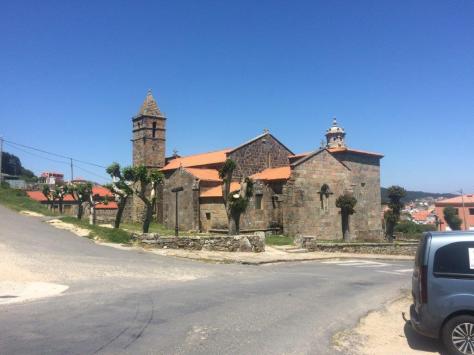
 Signage provides guidance – just in case you’re lost . . .
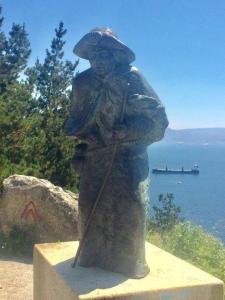

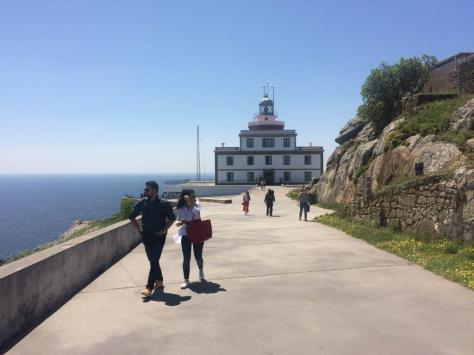


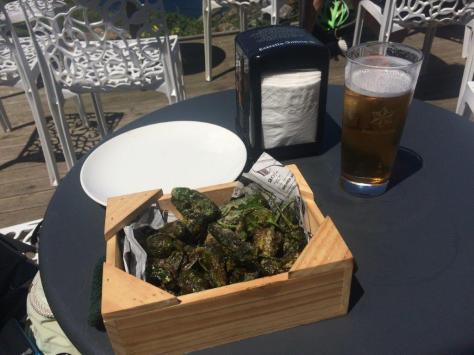
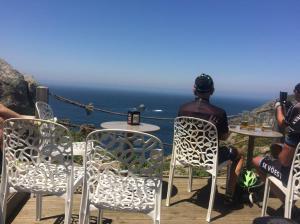
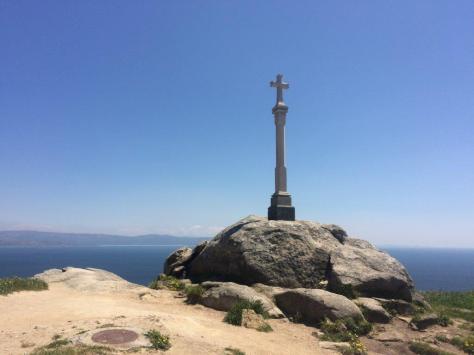



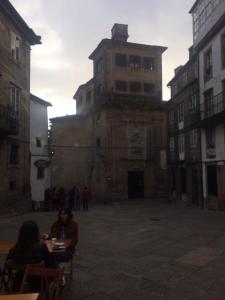

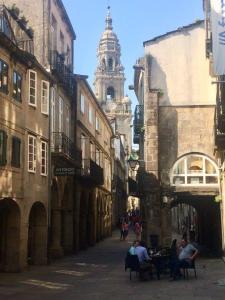
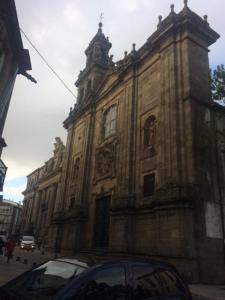

 fogcityboy